
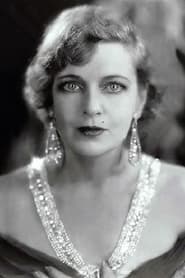
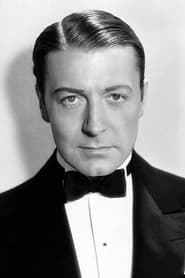
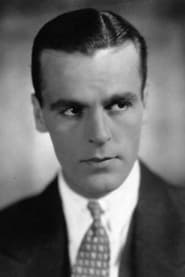
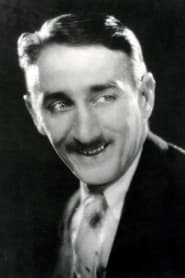


A Dangerous Woman
"Colonial outpost, deadly seduction"
Keys: Space play/pause · ←/→ 10s · F fullscreen · M mute · </> speed
About this film
A colonial commissioner's mistress drives men to ruin until his brother arrives as assistant and becomes her next target. A 1929 melodrama of tropical desire and betrayal.
Cast & crew
More films like this
More Drama films
View all →







More from Rowland V. Lee
View all →
More about this film
About the production
Release dateJune 1, 1929
Box officeUnknown
ProductionParamount Pictures
Filmed inParamount Studios, Hollywood, California
the release was produced during the critical transition period from silent films to talkies. As an early sound film, it utilized both synchronized dialogue and musical elements. The production faced the technical challenges common to early sound recording, including the need for stationary microphones that limited camera movement. The African setting was created entirely on studio backlots, typical of the period.
Themes
Seduction and manipulationBrotherhood and betrayalColonialism and exoticismMoral corruptionThe femme fatale archetype
Themes & topics
Historical background
Released in 1929, A Dangerous Woman belongs to the silent feature period and reflects production norms of its release season.
Why this film matters
A Dangerous Woman contributes to understanding regional output and audience tastes around 1929.
Making of
The production of 'A Dangerous Woman' took place during among the leading turbulent periods in Hollywood history - the transition to sound. Early sound stages were essentially soundproofed rooms where actors had to stand near stationary microphones hidden in flower pots, behind curtains, or on the floor. This technical limitation meant that camera movements were severely restricted, leading to more static compositions than in late silent films. The cast, particularly Olga Baclanova, had to adapt their acting styles from the exaggerated expressions of silent film to the more naturalistic delivery required for talkies. The film's colonial setting was entirely studio-bound, using painted backdrops and set pieces typical of the era. The production team worked with primitive sound recording equipment that often picked up unwanted noises, requiring multiple takes and careful planning.
What critics said
Review records for A Dangerous Woman are typical of 1929: brief for shorts, more sustained for features.
Did you know?
- Olga Baclanova, who plays the dangerous woman, was a Russian actress who became famous for her roles in silent films and early talkies, most notably in 'Freaks' (1932)
- the release was released during the first full year of the Great Depression, which significantly affected box office returns across Hollywood
- The film represents an early example of the 'femme fatale' archetype in sound cinema
- Director Rowland V. Lee was one of the few directors who successfully transitioned from silent to sound films during this period
- Neil Hamilton would later become famous to TV audiences as Commissioner Gordon in the 1960s 'Batman' series
- The film was shot in the early sound-on-film format, before the industry standardized on recording techniques
- African colonial settings were popular in late 1920s cinema, often serving as exotic backdrops for tales of moral corruption
- The film's themes of brotherhood and betrayal reflected the anxieties of a society facing economic collapse
- This was one of the last films Clive Brook made before returning to England to continue his career
- The movie was released just months before the stock market crash of October 1929
Visual style
The cinematography by Harry Fischbeck reflects the transitional nature of early sound films. The lighting is more dramatic and high-contrast than typical silent films, partly to hide the primitive recording equipment and partly to create the exotic atmosphere of the colonial setting. The camera work is relatively static compared to late silent films, constrained by the need to keep actors near microphones. Fischbeck employed careful composition within these limitations, using shadows and lighting to enhance the film's themes of moral ambiguity and danger. The African setting was created through clever use of studio backdrops and carefully lit set pieces that suggested exotic locations without leaving the studio.
Innovations
As an early sound film, 'A Dangerous Woman' represents the technical state of cinema during the transition to talkies. The film utilized the early sound-on-film technology that was replacing the less practical sound-on-disc systems. The production team had to work with the limitations of early sound recording, including poor frequency response and limited dynamic range. The film demonstrates how filmmakers were learning to integrate sound with visual storytelling, using dialogue, sound effects, and music to enhance the narrative. The technical achievements of this period, while crude by modern standards, laid the groundwork for the sophisticated sound design that would follow in the 1930s.
Music
The film featured an early synchronized musical score with sound effects, typical of late 1920s productions. The music likely consisted of stock pieces from Paramount's library, combined with original compositions to underscore dramatic moments. As an early talkie, the film would have featured both diegetic sound (sounds within the story world) and non-diegetic musical accompaniment. The sound design was primitive by modern standards, with limited dynamic range and occasional technical artifacts. The film's soundtrack represents an important step in the evolution of film music from live accompaniment to recorded scores.
Famous quotes
You are playing with fire, and you will get burned.
Some women are like poison - sweet to taste but deadly in the end.
In this land, even the strongest men can be broken by a woman's touch.
Memorable scenes
- The climactic confrontation between the brothers and Martha, where the truth about her manipulations is finally revealed
- Martha's first seduction attempt on the innocent John, showcasing her predatory nature
- The commissioner's realization that his brother is falling into the same trap as previous victims
What audiences thought
Audiences in 1929 were still fascinated by the novelty of talking pictures, and any film with synchronized dialogue and sound effects attracted curious viewers. The film's themes of exotic settings and dangerous romance were popular with audiences seeking escapism during increasingly troubled economic times. However, the film's commercial performance was likely impacted by the growing economic uncertainty that would culminate in the Great Depression later that year. Contemporary audience reactions were generally positive, with particular praise for Baclanova's performance and the film's effective use of sound to create atmosphere and tension.
Film connections
Influenced by
- Silent film melodramas
- Victorian literature
- Colonial adventure stories
- Stage melodramas
This film influenced
- Later femme fatale films
- Film noir of the 1940s
- Colonial melodramas of the 1930s
Film restoration
The film is considered to be in the public domain, though complete preservation status is unclear. Like many early sound films, it may exist only in truncated or degraded versions. Some archives may hold copies, but a fully restored version may not be available.
Where to watch
- Public domain archives
- Specialty film archives
- Film collector circuits
- Potential availability through classic film streaming services specializing in early cinema