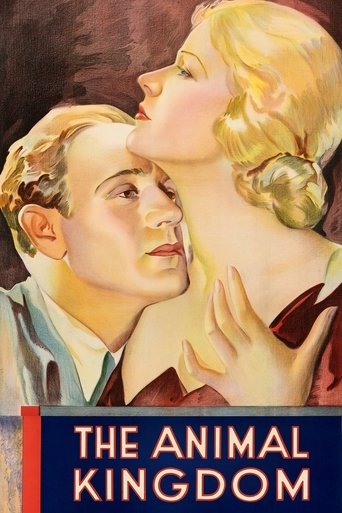
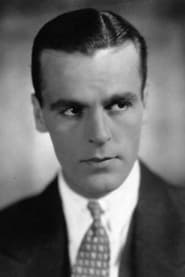
Neil Hamilton
Actor
Born: September 9, 1899 in Lynn, Massachusetts, USA Died: September 24, 1984 Active: 1918-1975 Birth Name: James Neil Hamilton
Films
11 films




About Neil Hamilton
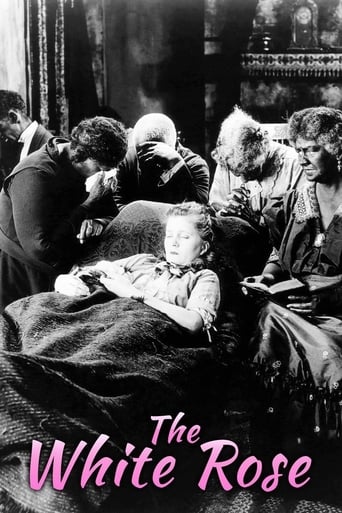
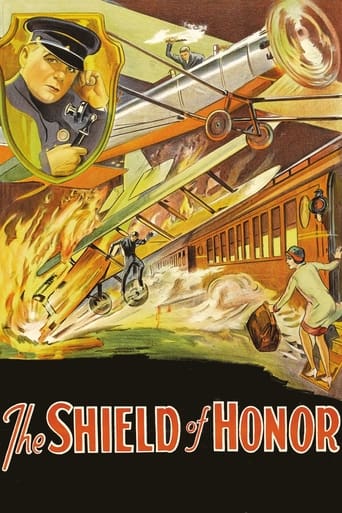
This archive lists one role for Neil Hamilton: The White Rose (1923). After making his debut in D.W. Griffith's 'The White Rose' (1923), Hamilton quickly established himself as a leading man in both silent films and early talkies, working with prominent directors and studios throughout Hollywood's Golden Age. His transition from silent films to sound was remarkably smooth, allowing him to continue his success into the 1930s and beyond with roles in major productions. Hamilton's career evolved from romantic leading roles to character parts as he aged, demonstrating remarkable versatility across different genres including drama, comedy, and adventure films. While his early career was marked by leading roles in films like 'America' (1924) and 'The Shield of Honor' (1927), he later found renewed fame as Commissioner Gordon in the 1960s 'Batman' television series, introducing him to a new generation of viewers. His longevity in the industry and ability to adapt to changing cinematic landscapes made him a respected figure in Hollywood, bridging the gap between classic cinema and modern entertainment.
The Craft
On Screen
Hamilton was known for his polished, sophisticated demeanor and natural acting style that translated well from silent films to talkies. His screen presence combined classic leading man charm with emotional depth, allowing him to excel in both dramatic and romantic roles. In silent films, he demonstrated exceptional ability to convey complex emotions through facial expressions and body language, while in sound films, his clear diction and resonant voice made him an ideal transition star. His acting technique emphasized realism and subtlety, avoiding the exaggerated gestures common in early cinema.
Milestones
- Discovered by D.W. Griffith and cast in 'The White Rose' (1923)
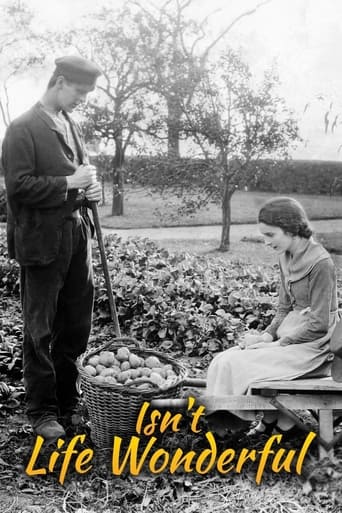
- Leading man role in 'Isn't Life Wonderful' (1924) directed by D.W. Griffith
- Starred in the epic war film 'America' (1924)
- Successfully transitioned to talkies in the late 1920s
- Played romantic leads opposite major stars like Clara Bow and Greta Garbo
- Later became widely known as Commissioner Gordon in 'Batman' TV series (1966-1968)
Best Known For
Iconic Roles
Must-See Films
Accolades
Won
- Hollywood Walk of Fame Star (1960)
Special Recognition
- Hollywood Walk of Fame Star located at 6557 Hollywood Boulevard
- Recognized as one of the few actors to successfully transition from silent films through the Golden Age to television
Working Relationships
Worked Often With
Studios
Why They Matter
Impact on Culture
Neil Hamilton's career represents a unique bridge between different eras of American entertainment, from the silent film revolution through Hollywood's Golden Age and into the television boom. His ability to adapt to changing technologies and audience preferences demonstrated remarkable versatility that influenced how actors approached career longevity. As a leading man in the 1920s and 1930s, he helped define the archetype of the sophisticated, romantic hero that would become standard in Hollywood cinema. His later role as Commissioner Gordon introduced classic Hollywood gravitas to popular television, helping legitimize superhero adaptations for mainstream audiences. Hamilton's career trajectory serves as a case study in adaptability and professionalism in the entertainment industry.
Lasting Legacy
Neil Hamilton's lasting legacy lies in his extraordinary career longevity and his role in connecting different generations of entertainment. While his early work in silent and early sound films established him as a significant leading man of his era, his portrayal of Commissioner Gordon in the Batman series ensured his recognition by modern audiences. His career shows the importance of adaptability in show business, successfully navigating the dramatic shifts from silent films to talkies, from the studio system to television, and from black and white to color productions. Hamilton's professional conduct and dedication to his craft made him a respected figure in Hollywood, influencing how actors approach career management and personal branding.
Who They Inspired
Hamilton influenced subsequent generations of actors through his demonstration of career adaptability and professionalism. His smooth transition from silent films to talkies provided a blueprint for other actors facing the technological revolution of sound. His later success in television showed how classic film actors could find new audiences and relevance in emerging media. The dignity and gravitas he brought to the role of Commissioner Gordon influenced how authority figures would be portrayed in superhero media for decades. His approach to character development and his commitment to authenticity in performance continue to be studied by actors and film scholars.
Off Screen
Neil Hamilton married Elsa Whitmer in 1922, and their marriage lasted until her death in 1978, spanning over five decades. The couple had one son, James Hamilton Jr., who followed in his father's footsteps with a career in entertainment. Hamilton was known for his professionalism and reliability in Hollywood, earning the respect of colleagues and directors throughout his long career. He was a devoted family man who balanced his demanding career with his personal responsibilities. After retiring from acting, Hamilton enjoyed a quiet life with his family until his death in 1984 at the age of 85.
Education
Attended Lynn Classical High School in Massachusetts, later studied at the American Academy of Dramatic Arts in New York City
Family
- Elsa Whitmer (1922-1978)
Did You Know?
- Was discovered by legendary director D.W. Griffith while performing in a stage production
- Served in the United States Army Air Corps during World War I before his acting career
- His role as Commissioner Gordon was originally offered to another actor who declined
- Was one of the few silent film stars to successfully transition to television stardom
- Appeared in over 300 films and television shows throughout his career
- Was a skilled horseman, which served him well in western and adventure films
- His salary peaked at $2,500 per week during his Hollywood leading man years
- Was known for never being late to a film set throughout his entire career
- His final film appearance was in 'The Great Race' (1965) before focusing on television
- Was a founding member of the Screen Actors Guild
In Their Own Words
Acting is not about being famous, it's about exploring the human condition.
The transition from silent to sound films wasn't as difficult for me because I always believed in natural acting.
Commissioner Gordon gave me a new career when I thought my best years were behind me.
Working with D.W. Griffith taught me that film acting requires subtlety, not theatrics.
The secret to longevity in this business is adaptability and professionalism.
Frequently Asked Questions
Who was Neil Hamilton?
American with credits in this catalog. He began as a leading man in D.W. Griffith films in the 1920s and later became widely known for playing Commissioner Gordon in the 1960s Batman television series.
What films is Neil Hamilton best known for?
Titles linked here include The White Rose (1923), Isn't Life Wonderful (1924).
When was Neil Hamilton born and when did he die?
Born September 9, 1899; died September 24, 1984.
What awards did Neil Hamilton win?
Neil Hamilton received a star on the Hollywood Walk of Fame in 1960, located at 6557 Hollywood Boulevard, recognizing his contributions to the entertainment industry.
What was Neil Hamilton's acting style?
Hamilton was known for his natural, sophisticated acting style that emphasized realism and subtlety rather than the exaggerated gestures common in early cinema. His polished demeanor and emotional depth allowed him to successfully transition from silent films to talkies.
How did Neil Hamilton transition from silent films to talkies?
Hamilton successfully transitioned to talkies due to his natural acting style and clear diction. Unlike many silent stars who struggled with sound, his approach to acting had always emphasized realism, making the shift to sound films relatively seamless.
What was Neil Hamilton's relationship with D.W. Griffith?
D.W. Griffith discovered Hamilton and became his early mentor, casting him in several important films including 'The White Rose' (1923) and 'Isn't Life Wonderful' (1924). Griffith's guidance helped establish Hamilton's career in Hollywood.
How long was Neil Hamilton's career?
Neil Hamilton's entertainment active years covered nearly 60 years, from his film debut in 1918 until his retirement in 1975, making him one of the longest-working actors in Hollywood history.