


Why Be Good?
"A flapper falls for the boss's son"
Keys: Space play/pause · ←/→ 10s · F fullscreen · M mute · </> speed
About this film
A flapper unwittingly falls for the boss' son.
Cast & crew
More films like this
More Comedy films
View all →







More from William A. Seiter
View all →


More about this film
About the production
Release dateFebruary 17, 1929
BudgetApproximately $250,000 (estimated for 1929 production)
Box officeModerately successful, though exact figures are not documented
ProductionFirst National Pictures
Filmed inHollywood, California, MGM Studios lot
This was Colleen Moore's final silent film, though it included synchronized musical sequences and sound effects, making it a transitional film during the sound revolution. The film was shot during the period when studios were desperately trying to determine whether to continue producing silent films or fully embrace sound technology. Moore was one of the highest-paid stars of the era, earning approximately $12,500 per week.
Themes
Female independence and autonomyGenerational conflict between traditional and modern valuesClass differences and social mobilityMoral integrity versus social conformityThe changing nature of romance and courtship
Themes & topics
flapperdepartment storeclass differencesworkplace romancemoral dilemmaindependent womanJazz Agesilent filmtransitional filmfashionsocial mobilitygenerational conflicturban lifemodern romanceconsumer culture
Historical background
Silent-era audiences encountered Why Be Good? around 1929, as studios refined cross-cutting and star-driven storytelling.
Why this film matters
Why Be Good? shows how silent filmmakers conveyed plot through gesture, title cards, and editing.
Making of
The production of Why Be Good? occurred during among the leading tumultuous periods in Hollywood history - the transition from silent to sound films. Director William A. Seiter had to navigate the technical challenges of incorporating synchronized music and sound effects while maintaining the visual storytelling techniques of silent cinema. Colleen Moore, at the height of her popularity, had significant creative input and was deeply involved in the development of her character's wardrobe and mannerisms. The film's production was rushed to capitalize on Moore's stardom before the public's taste completely shifted to talkies. Behind the scenes, there was tension between traditionalists who wanted to maintain the art of silent cinema and the studio executives pushing for full sound adoption. The cast and crew worked under intense pressure as they essentially had to produce two versions of the film - one for silent theaters and one with sound.
What critics said
Press notices for Why Be Good? (1929) are sparse in digitized sources; interest today rests on preserved prints and comparison with related titles.
Did you know?
- This was Colleen Moore's final silent film before she temporarily retired from acting in 1930
- The film featured synchronized music and sound effects but no dialogue, making it a hybrid transitional film
- Colleen Moore's famous Dutch-boy bob haircut, which she wore in, inspired millions of women to adopt the style
- The film was considered quite progressive for its time, featuring a working-class heroine who maintained her independence
- Despite being made during the transition to sound, the film was successful enough to warrant international distribution
- The department store scenes were filmed at the May Company in Los Angeles
- Moore was paid more for this single film than most Americans earned in a decade
- The film's title reflected the ongoing debate in the 1920s about changing sexual mores and women's independence
- This was one of the last films to feature the quintessential 1920s flapper archetype before the stock market crash changed American culture
- The film's costumes were designed by Adrian, who would later become famous for his work at MGM
Awards & recognition
- No major awards were documented for
Visual style
The cinematography of Why Be Good? was handled by Ira H. Morgan, who employed the sophisticated visual techniques that had become standard in late-silent era productions. The film featured dynamic camera movements including tracking shots that followed characters through the department store setting, creating a sense of energy and modernity. Morgan used innovative lighting techniques to highlight Moore's expressive face and create mood appropriate to each scene. The department store sequences utilized multiple levels and deep focus to emphasize the scale of modern commercial spaces. The cinematography also incorporated Art Deco design elements in the sets and lighting, reflecting the contemporary aesthetic of the late 1920s. Morgan's work effectively balanced the need for clear visual storytelling with artistic flourishes that enhanced the film's emotional impact.
Innovations
Why Be Good? represented several important technical achievements for its time, particularly in its hybrid approach to sound technology. The film was one of the early examples of a 'part-talkie' that successfully integrated synchronized music and sound effects while maintaining the visual storytelling techniques of silent cinema. The production utilized the Vitaphone sound-on-disc system, which required precise synchronization between film projection and audio playback. The film's department store sets featured working elevators and mechanical displays that added to the realism of the modern setting. The costume department employed new synthetic fabrics and mass-production techniques that reflected the fashion innovations of the 1920s. The film's editing techniques, including the use of montage sequences to show the passage of time, demonstrated the sophistication of late-silent era filmmaking. These technical elements combined to create a polished production that represented the pinnacle of silent film craftsmanship just before the complete transition to sound.
Music
Why Be Good? featured a synchronized musical score and sound effects but no dialogue, making it part of the transitional wave of films between silent and talkies. The musical score was composed by Cecil Copping and included popular songs of the era that complemented the film's romantic and comedic elements. The synchronization technology used was the Vitaphone sound-on-disc system, which was one of the dominant sound technologies of the period. The soundtrack included jazz-influenced dance music for the party scenes, romantic themes for the love story, and upbeat ragtime numbers that reflected the energetic mood of the Roaring Twenties. The sound effects were carefully coordinated to enhance key moments, including door slams, telephone rings, and ambient department store noises. This musical approach helped bridge the gap between purely silent films and full talkies, providing audiences with an enhanced audiovisual experience while maintaining the visual storytelling traditions of silent cinema.
Famous quotes
I may be a modern miss, but I know where to draw the line!" - Pert Kelly
Why be good when being bad is so much more interesting?" - Pert Kelly
In this modern world, a girl has to look out for herself!" - Pert Kelly
Some things are worth more than money or position." - Winthrop Peabody Jr.
I'd rather be poor and honest than rich and compromised." - Pert Kelly
Memorable scenes
- The opening sequence showing Pert Kelly's energetic morning routine and stylish flapper fashion
- The department store fashion show where Pert models the latest styles
- The rooftop party scene featuring jazz music and dancing that epitomizes Jazz Age culture
- The climactic confrontation where Pert's moral principles are tested
- The final romantic resolution that affirms the value of personal integrity
What audiences thought
Audiences in 1929 responded positively to Why Be Good?, particularly Colleen Moore's fans who had made her especially popular stars of the decade. The film performed well in major urban markets where flapper culture was most prevalent. Moore's relatable portrayal of a modern young woman who maintained her principles while enjoying life resonated with the younger demographic that had embraced the Jazz Age lifestyle. The film's timing was crucial - it arrived just as audiences were beginning to prefer talkies, but Moore's star power and the film's entertaining nature helped it overcome the technological disadvantage. Audience feedback from the period indicated that viewers appreciated the film's light-hearted approach to serious social questions and its celebration of youthful independence without descending into moralizing. The film's moderate box office success demonstrated that there was still an audience for quality silent entertainment even as the sound revolution was transforming Hollywood.
Film connections
Influenced by
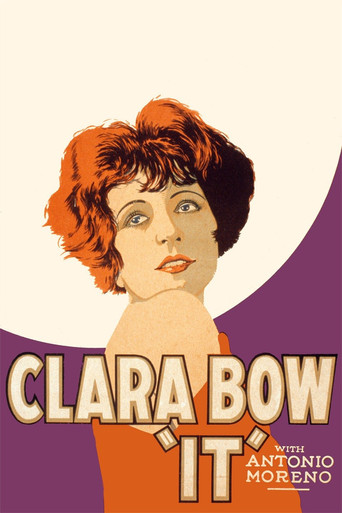
- The flapper films of Clara Bow
- German Expressionist cinema's visual style
- Broadway musical comedies of the 1920s
- The social comedies of Ernst Lubitsch
- Contemporary women's magazine fiction
- The works of F. Scott Fitzgerald
This film influenced
- Subsequent Hollywood romantic comedies featuring independent female protagonists
- Later films about workplace romance and class differences
- 1930s films that blended comedy with social commentary
- Modern films that explore themes of female independence in romantic contexts
Film restoration
Why Be Good? is considered a partially lost film. While some sequences and fragments survive, the complete film is not known to exist in its entirety. The surviving elements are preserved at the Library of Congress and the UCLA Film and Television Archive. Some scenes exist in 16mm reduction prints, and fragments have been discovered in various archives and private collections. The synchronized soundtrack discs are also partially preserved. Film restoration efforts continue, with archivists hoping to locate missing elements from international archives or private collections. The incomplete preservation status makes particularly valuable as a representation of late-silent era cinema and flapper culture.
Where to watch
- Available for viewing at the Library of Congress Packard Campus for Audio Visual Conservation
- Screenings at classic film festivals and specialized cinema events
- Some fragments may be accessible through academic film archives
- Occasionally broadcast on Turner Classic Movies during silent film programming
- Available through specialized classic film distributors for institutional screenings