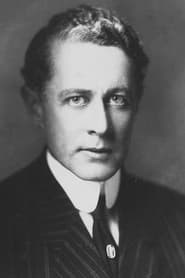
Edward Martindel
Actor
Born: July 8, 1876 in Philadelphia, Pennsylvania, USA Died: May 4, 1955 Active: 1925-1937
Films
9 films


About Edward Martindel
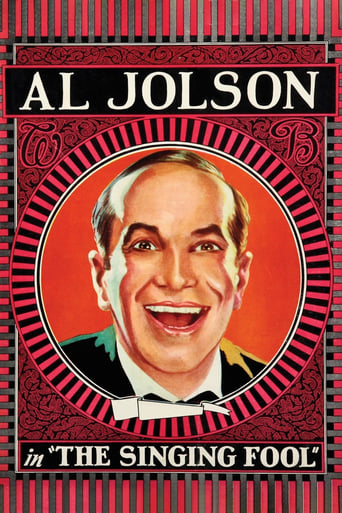
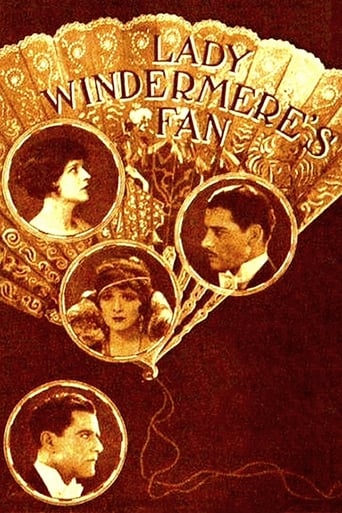
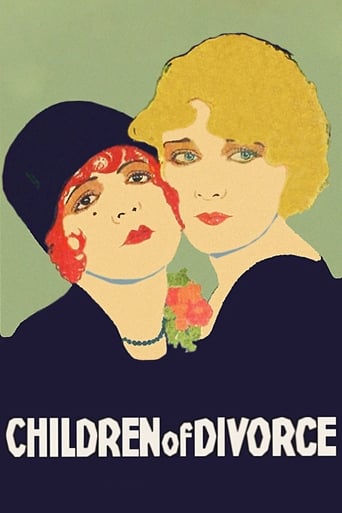
character actor of the silent and early sound era — known for his aristocratic bearing and refined demeanor that made him ideal for portraying gentlemen, aristocrats, and authority figures. Born into a wealthy family, he began his acting career on the Broadway stage before transitioning to films in the mid-1920s. Martindel quickly established himself as a reliable supporting player, appearing in numerous prestigious productions including Ernst Lubitsch's 'Lady Windermere's Fan' (1925) where he played Lord Darlington alongside Ronald Colman. His career flourished during the late 1920s with roles in major films like 'The Singing Fool' (1928) starring Al Jolson and 'Children of Divorce' (1927) featuring Clara Bow. As the sound era dawned, Martindel successfully made the transition, though his film output decreased significantly after 1930. He continued acting sporadically through the 1930s before retiring from the film industry, leaving behind a legacy of memorable character performances that exemplified the elegance and sophistication of late silent cinema.
The Craft
On Screen
Martindel was known for his refined, dignified acting style characterized by impeccable posture, precise diction, and a commanding screen presence. He specialized in portraying aristocrats, wealthy businessmen, and authority figures with natural authenticity, likely drawing from his own privileged background. His performances were marked by subtlety and restraint, typical of the sophisticated acting style favored in upper-class character roles during the late silent era.
Milestones
- Broadway stage career before films
- Breakthrough role in Lady Windermere's Fan (1925)
- Supporting role in The Singing Fool (1928)
- Successful transition from silent to sound films
- Character actor specializing in aristocratic roles
Best Known For
Iconic Roles
Must-See Films
Working Relationships
Worked Often With
Studios
Why They Matter
Impact on Culture
Edward Martindel represented the archetype of the refined, aristocratic character actor during Hollywood's transition from silent films to sound. His performances helped establish the template for portraying upper-class characters in American cinema, influencing how gentlemen and authority figures were depicted on screen. His successful transition from stage to film, and from silent to sound pictures, demonstrated the adaptability required of character actors during this transformative period in film history.
Lasting Legacy
Martindel's legacy lies in his contributions to the golden age of character acting in Hollywood, particularly his ability to bring authenticity to aristocratic roles. While never a leading man, his supporting performances added depth and sophistication to numerous classic films of the late 1920s. His work serves as an example of the crucial role character actors played in establishing the social hierarchies and class distinctions that were central to many Hollywood narratives of the era.
Who They Inspired
Martindel influenced subsequent generations of character actors specializing in refined, upper-class roles. His naturalistic approach to portraying aristocracy helped move away from the more theatrical style common in earlier silent films, contributing to the development of more nuanced character acting in sound cinema.
Off Screen
Edward Martindel came from a prominent Philadelphia family and maintained a private personal life throughout his career. He married actress and fellow performer Florence Deshon, though their marriage ended in divorce. After retiring from acting, he lived a quiet life away from the Hollywood spotlight, maintaining connections with theatrical circles. His later years were spent in California where he passed away in 1955 at the age of 78.
Education
Educated in private schools in Philadelphia; later studied dramatic arts
Family
- Florence Deshon (1915-1921)
Did You Know?
- Began his career on Broadway before transitioning to films
- Often typecast as wealthy gentlemen or aristocrats due to his refined appearance
- Made a successful transition from silent films to talkies
- Appeared in over 60 films during his career
- Was part of the cast of 'The Singing Fool', one of the early talkie blockbusters
- Worked with legendary director Ernst Lubitsch on multiple occasions
- His aristocratic demeanor was often noted in contemporary reviews
- Retired from acting in the late 1930s
- Came from a wealthy Philadelphia family
- Was married to fellow actress Florence Deshon
In Their Own Words
The stage taught me that authenticity comes from understanding your character's social position, not just memorizing lines
Frequently Asked Questions
Who was Edward Martindel?
American character with credits in this catalog.
What films is Edward Martindel best known for?
Titles linked here include Lady Windermere's Fan (1925), The Singing Fool (1928).
When was Edward Martindel born and when did he die?
Born July 8, 1876; died May 4, 1955.
What awards did Edward Martindel win?
Edward Martindel did not receive any major awards during his career, though he was respected as a reliable character actor in Hollywood.
What was Edward Martindel's acting style?
Martindel was known for his refined, dignified acting style with impeccable posture and natural authenticity, specializing in aristocratic roles with subtlety and restraint.
How did Edward Martindel transition from silent to sound films?
Martindel successfully made the transition from silent to sound films in the late 1920s, appearing in early talkies like 'The Singing Fool' (1928), though his film output decreased after 1930.
What was Edward Martindel's background before acting?
He came from a wealthy Philadelphia family and began his career on Broadway before transitioning to films in the mid-1920s.