
Colleen Moore
Actor
Born: August 19, 1899 in Port Huron, Michigan, USA Died: January 25, 1988 Active: 1916-1934 Birth Name: Kathleen Morrison
Films
11 films

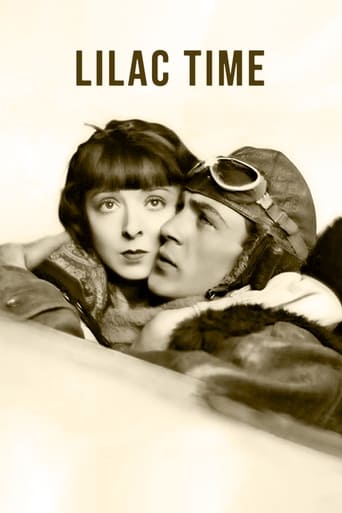
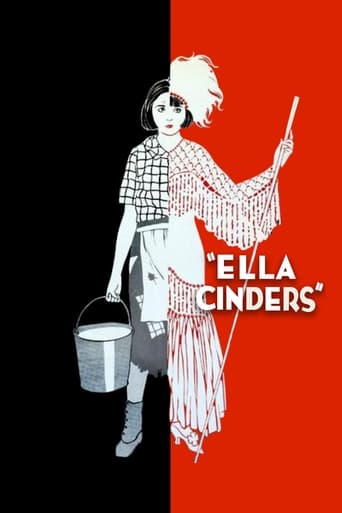
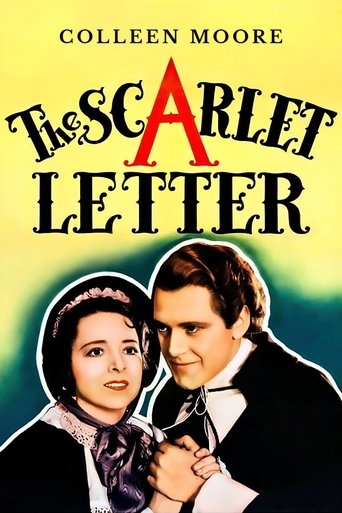
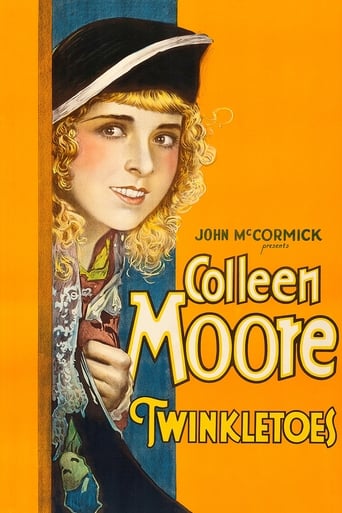

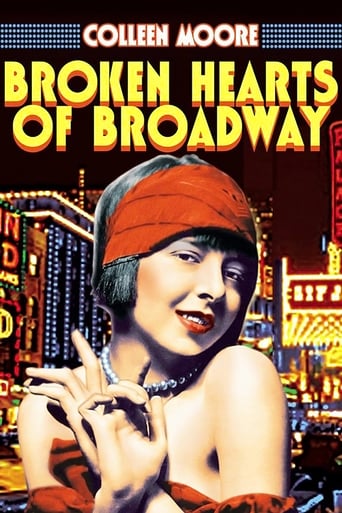
About Colleen Moore
Colleen Moore was and successful actresses of the silent film era, renowned for her portrayal of the modern 'flapper' girl that defined the Roaring Twenties. Born Kathleen Morrison, she began her career in 1916 and quickly rose to stardom with her distinctive Dutch boy bob haircut and vivacious screen presence. Her breakthrough role came in 1923's 'Flaming Youth,' which cemented her status as the quintessential flapper and made her one of Hollywood's highest-paid stars, earning approximately $12,500 per week at her peak. Moore successfully navigated the transition to sound films in the late 1920s, though her popularity waned as the flapper image fell out of favor. Beyond acting, she was a savvy businesswoman and investor, amassing a fortune through real estate and stock market investments. After retiring from films in the mid-1930s, she focused on business ventures and philanthropy, later publishing her autobiography 'Silent Star' in 1968. Her legacy includes not only her film contributions but also her famous miniature dollhouse 'The Fairy Castle,' which remains on display at Chicago's Museum of Science and Industry.
The Craft
On Screen
Colleen Moore's acting style was characterized by her energetic, vivacious performances that perfectly captured the spirit of the Jazz Age flapper. She employed a naturalistic approach for the era, using expressive gestures and bright, engaging eyes to convey emotion without dialogue. Her performances were marked by a sense of modern independence and youthful rebellion, often playing characters who challenged conventional social norms. Moore had a particular talent for comedy, using her petite frame and nimble movements to great physical effect. Her transition to sound revealed a pleasant speaking voice and maintained the same charismatic charm that made her a silent film star.
Milestones
- Breakthrough role in 'Flaming Youth' (1923) establishing her as the ultimate flapper icon
- Became one of Hollywood's highest-paid stars by the mid-1920s
- Successfully transitioned to talkies with 'Smiling Irish Eyes' (1929)
- Created the famous 'Fairy Castle' dollhouse, now a museum exhibit
- Published autobiography 'Silent Star' in 1968 documenting silent era Hollywood
Best Known For
Iconic Roles
Must-See Films
Accolades
Special Recognition
- Hollywood Walk of Fame star at 1720 Vine Street
- The Fairy Castle dollhouse permanently housed at Chicago's Museum of Science and Industry
- Inducted into the Michigan Women's Hall of Fame in 2008
Working Relationships
Worked Often With
Studios
Why They Matter
Impact on Culture
Colleen Moore's impact on 1920s culture was profound, as she essentially defined the flapper archetype that came to symbolize the Jazz Age's social revolution. Her distinctive Dutch boy bob haircut sparked a nationwide fashion trend, with millions of women emulating her style. Moore's films challenged traditional gender roles and portrayed independent, modern women who worked, drove cars, and made their own choices, reflecting the changing attitudes of post-World War I America. Her success as an independent businesswoman and investor also challenged stereotypes about women's financial capabilities. The character types she established influenced countless other actresses and helped shape Hollywood's portrayal of modern womanhood throughout the decade.
Lasting Legacy
Colleen Moore's legacy extends far beyond her film career, encompassing her role as a cultural icon of the Roaring Twenties and her contributions to preserving cinematic history. Her Fairy Castle dollhouse remains one of Chicago's most beloved attractions, showcasing her artistic vision and attention to detail. As one of the few major silent stars who successfully transitioned to talkies, she demonstrated remarkable adaptability in an era when many careers were destroyed by technological change. Her autobiography 'Silent Star' provides invaluable firsthand accounts of Hollywood's golden era. Moore's influence on fashion, particularly her popularization of the bob haircut, continues to be referenced in cultural studies of the 1920s. Her story also serves as an early example of a Hollywood star who successfully managed her finances and maintained independence from the studio system.
Who They Inspired
Colleen Moore directly influenced the development of the flapper genre in Hollywood and paved the way for actresses like Clara Bow and Joan Crawford. Her natural acting style and modern screen persona helped move film acting away from the theatrical gestures of earlier cinema toward more subtle, realistic performances. Moore's business acumen and financial independence set a precedent for later stars who sought to control their own careers and finances. Her successful transition to sound films provided a model for other silent actors facing the talkies revolution. The character types she established - the independent, modern young woman - became archetypes that would recur throughout Hollywood history, evolving with each new generation of actresses.
Off Screen
Colleen Moore was married four times and had one child. Her first marriage was to film producer John McCormick in 1923, which ended in divorce in 1930. She then married stockbroker Albert P. Scott in 1932, divorced him in 1937, and married businessman Homer Hargrave the same year. After Hargrave's death in 1964, she married Paul Magenot in 1965. Moore had one son, William McCormick, from her first marriage. She was known for her business acumen and investments, particularly in real estate and the stock market, which made her financially independent. In her later years, she devoted herself to philanthropic work and preserving the history of silent cinema.
Education
Attended St. Mary's Academy in Port Huron, Michigan; later studied at Detroit's Cass Technical High School
Family
- John McCormick (1923-1930)
- Albert P. Scott (1932-1937)
- Homer Hargrave (1937-1964)
- Paul Magenot (1965-1988)
Did You Know?
- Her famous Dutch boy bob haircut was reportedly inspired by a painting she saw in Paris
- She was one of the first stars to earn over $1 million in a single year
- Her Fairy Castle dollhouse cost approximately $500,000 to create (equivalent to over $7 million today)
- She was a skilled pilot and owned her own airplane in the 1920s
- Moore was one of the few silent stars who invested wisely and maintained her wealth throughout her life
- Her autobiography 'Silent Star' is considered
- She was a close friend of fellow silent star Mary Pickford
- Moore appeared in over 60 films during her career
- She was an early advocate for actors' rights and helped establish the Screen Actors Guild
In Their Own Words
I was the original flapper. I was the first to wear my hair short and have a boyish figure. I was the first to smoke and drink and drive a car.
The flapper was the symbol of the new woman. She was independent, she worked, she voted, she was everything her mother wasn't.
Silent films were a universal language. We didn't need words to tell a story; our faces and bodies said everything.
I never wanted to be just an actress. I wanted to be a businesswoman, an investor, someone who could stand on her own two feet.
The transition to sound was terrifying for many of us, but I knew that if you could make people feel something without words, you could certainly do it with words.
Frequently Asked Questions
Who was Colleen Moore?
Colleen Moore was. She starred in over 60 films and was a major cultural influence on fashion and women's roles during the Jazz Age.
What films is Colleen Moore best known for?
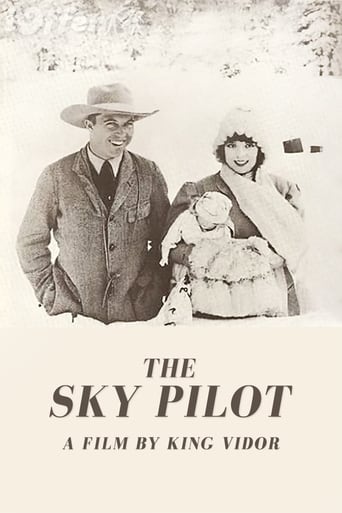
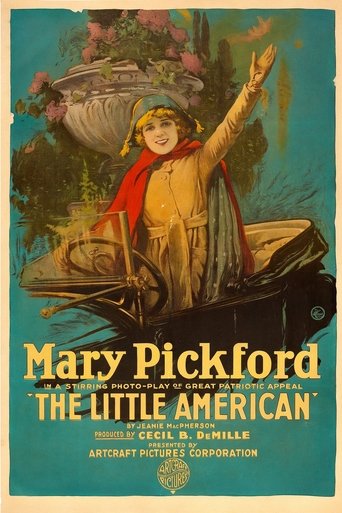
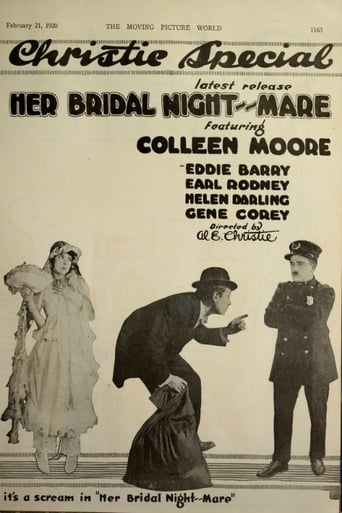
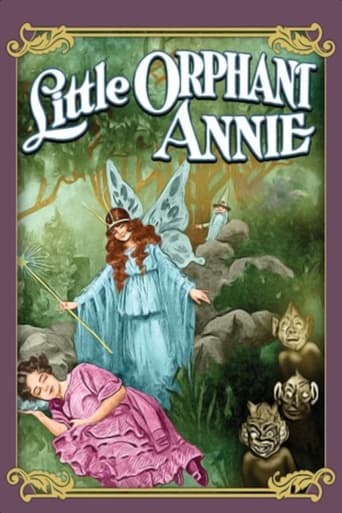
Titles linked here include Flaming Youth (1923), Ella Cinders (1926).
When was Colleen Moore born and when did she die?
Born August 19, 1899; died January 25, 1988.
What awards did Colleen Moore win?
While Moore didn't receive major acting awards during her career, she received a star on the Hollywood Walk of Fame and was posthumously inducted into the Michigan Women's Hall of Fame in 2008. Her Fairy Castle dollhouse remains a permanent exhibit at Chicago's Museum of Science and Industry.
What was Colleen Moore's acting style?
Moore's acting style was energetic and naturalistic for her era, characterized by expressive movements and bright, engaging eyes that perfectly captured the modern flapper spirit. She excelled at comedy and used her petite frame effectively for physical comedy, maintaining the same charismatic charm in both silent and sound films.