




Her Bridal Night-Mare
"Everything goes wrong on wedding day"
Keys: Space play/pause · ←/→ 10s · F fullscreen · M mute · </> speed
About this film
Bride-to-be Mary's wedding day collapses into a chain of disasters. A 1920 comedy of ceremonial panic.
Cast & crew
More Comedy films
View all →






More from Al Christie
View all →
More about this film
About the production
Release dateMarch 1920
ProductionChristie Film Company
Filmed inLos Angeles, California
This was one of the many short comedies produced by Christie Film Company during their peak years of production. The film was typical of the two-reel comedies popular in 1920, running approximately 15-20 minutes. Like many Christie productions, it was filmed quickly on studio sets with minimal location shooting.
Themes
Wedding disastersRomantic comedyDomestic lifeYoung loveComic misfortune
Themes & topics
Historical background
Archival records place Her Bridal Night-Mare in 1920, a year when the silent feature period shaped what theaters booked.
Why this film matters
Retrospectives include Her Bridal Night-Mare when mapping craft and subject matter from the silent feature period.
Making of
Al Christie was known for his efficient production methods, often completing short comedies in just a few days. His studio operated like an assembly line, with multiple productions shooting simultaneously on adjacent sets. Colleen Moore, still early in her career, was building her reputation in these short comedies before transitioning to feature films. The Christie studio was located in Hollywood and was one of the few independent production companies that successfully competed with major studios during the silent era. The film would have been shot with natural light on open-air stages, as was common practice in 1920 before sophisticated lighting equipment became standard.
What critics said
Critics revisiting Her Bridal Night-Mare emphasize performative and technical choices visible in surviving prints.
Did you know?
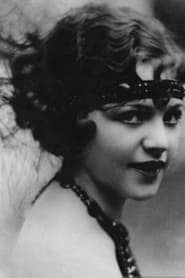
- the release represents one of Colleen Moore's early screen appearances before she became a major star in the 1920s
- Al Christie was a pioneering Canadian-American filmmaker who founded Christie Film Company in 1916
- The film was released during the early boom of American comedy shorts, when theaters typically programmed multiple short films before feature presentations
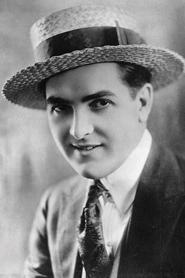
- Gino Corrado, who appears in the film, would go on to have a long career as a character actor in over 150 films
- Earle Rodney was a regular performer in Christie comedies and later became a prolific comedy writer for other studios
- The film's title plays on the pun of 'nightmare' and 'bridal night,' a common wordplay technique in silent comedy titles
- Christie Film Company specialized in domestic comedies, often focusing on marital and family situations
- the release was likely distributed through Universal Pictures, which handled many Christie productions during this period
Visual style
As a 1920 studio production, the cinematography would have been relatively straightforward, utilizing static cameras and basic lighting techniques. The film would have been shot on 35mm film with standard aspect ratio of the era. Christie productions were known for their clean, professional look despite their modest budgets, with clear compositions that served the comedy well.
Music
As a silent film, 'Her Bridal Night-Mare' would have been accompanied by live musical performance in theaters. The typical score would have included popular songs of the day, classical pieces, and specially composed mood music to enhance the comedic and romantic elements. Larger theaters might have had small orchestras, while smaller venues would have used piano accompaniment.
Memorable scenes
- The chaotic wedding ceremony where everything goes wrong simultaneously
- Mary's frantic attempts to fix her wedding dress
- The mad dash to rescue the missing wedding rings
What audiences thought
Audiences in 1920 generally responded well to Christie comedies, which were known for their gentle humor and relatable domestic situations. The films were popular with family audiences and were frequently booked as part of theater programs. The combination of wedding themes and slapstick comedy would have appealed to the broad audience base that theaters sought to attract during this period.
Film connections
Influenced by
- Mack Sennett comedies
- Charlie Chaplin shorts
- Harold Lloyd films
This film influenced
- Later wedding comedy shorts
- Domestic sitcoms
- Romantic comedies
Film restoration
The film is considered lost, which is common for silent era shorts. Many Christie Film Company productions have not survived due to the decomposition of nitrate film stock and lack of preservation efforts in the early decades of cinema.
Where to watch
- No known viewing sources available due to lost status