
Al Christie
Director
Born: October 24, 1881 in London, Ontario, Canada Died: April 14, 1951 Active: 1911-1934 Birth Name: Alfred Ernest Christie
Films
3 films
About Al Christie
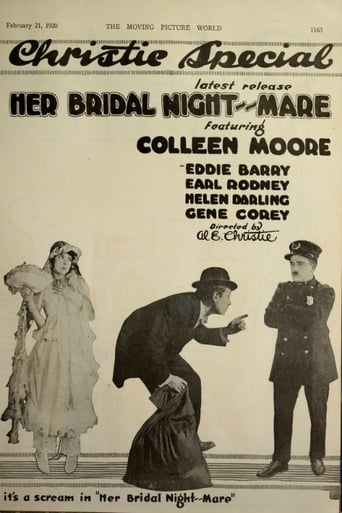
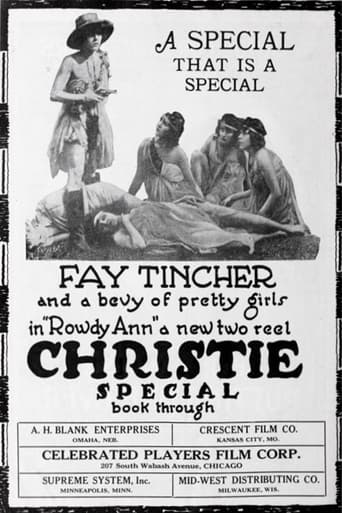
Al Christie, born Alfred Ernest Christie, was a Canadian film director, producer, and screenwriter who became figures in early Hollywood comedy. He began his career in 1911 as an actor at the Nestor Film Company, one of the first motion picture studios in Hollywood, before quickly transitioning to directing. In 1916, he co-founded the Christie Film Company with his brother Charles, which became successful independent production companies of the silent era, specializing in two-reel comedy shorts. The company was renowned for discovering and developing comedic talent, producing hundreds of popular shorts that showcased Christie's knack for visual humor and rapid pacing. Throughout the 1920s, Christie directed numerous films including 'Her Bridal Night-Mare' (1920), establishing himself as one of the era's most prolific directors. As the industry transitioned to sound, Christie adapted his techniques and continued directing into the early 1930s, though with reduced output. His over two decades and encompassed more than 200 films, making him a significant contributor to the development of American film comedy.
The Craft
Behind the Camera
Al Christie was known for his fast-paced, visually-driven comedy style that emphasized slapstick humor, sight gags, and rapid-fire pacing. His directing approach favored clear visual storytelling over complex narratives, making his films accessible to international audiences. Christie had a keen eye for comedic timing and excelled at creating humorous situations through physical comedy and clever staging. His films often featured romantic misunderstandings, domestic situations, and workplace comedies that resonated with contemporary audiences. He was particularly skilled at maximizing the comedic potential of limited sets and tight shooting schedules, a necessity of the studio system.
Milestones
- Co-founded Christie Film Company (1916)
- Directed over 200 comedy shorts
- Pioneered the two-reel comedy format
- Discovered and developed numerous comedy talents
- Successfully transitioned from silent to sound films
- Established Christie Studios in Hollywood
Best Known For
Must-See Films
Accolades
Special Recognition
- Hollywood Walk of Fame star (Film) - 6723 Hollywood Blvd
Working Relationships
Worked Often With
Studios
Why They Matter
Impact on Culture
Al Christie significantly shaped the development of American film comedy during the silent era through his prolific output and innovative approach to the two-reel comedy format. His Christie Film Company became a training ground for countless comedians and filmmakers who would later become major stars in Hollywood. Christie's emphasis on visual humor and clear storytelling helped establish the language of film comedy that would influence generations of directors. His success as an independent producer demonstrated that quality comedy shorts could be produced outside the major studio system, paving the way for future independent filmmakers. The Christie Studios became one of Hollywood's most important comedy production facilities, contributing to the establishment of Hollywood as the center of American film production.
Lasting Legacy
Al Christie's lasting legacy lies in his contributions to the comedy short film format and his role as a talent developer in early Hollywood. His production company discovered and nurtured numerous performers who went on to become major stars, making him an influential figure behind the scenes. Christie's techniques for creating efficient, effective comedy shorts influenced the studio system's approach to short-form content for decades. His business model of independent production within the Hollywood system provided a blueprint for future producers. Today, film historians recognize Christie as a pivotal figure in the development of American comedy cinema, though his work remains largely unknown to general audiences due to the loss of many silent films and the focus on feature-length cinema in film history.
Who They Inspired
Christie influenced numerous directors and producers through his efficient production methods and comedic sensibility. His emphasis on visual storytelling over dialogue influenced the transition to sound comedy, as many directors adapted his techniques for talkies. The performers who worked with Christie, including Harold Lloyd and others, carried elements of his comedic style into their later, more famous work. His business model of independent comedy production influenced later producers like Hal Roach. Contemporary comedy directors continue to use techniques pioneered by Christie, particularly in television comedy where rapid pacing and visual gags remain essential elements.
Off Screen
Al Christie was married to actress Dell Boone from 1915 until her death in 1941. The couple had two children together, a son named Alfred Christie Jr. And a daughter named Patricia. Christie was known as a family man who maintained a relatively private personal life despite his Hollywood success. His brother Charles was not only his business partner but also his closest confidant throughout their careers. After Dell's death, Christie never remarried and spent his remaining years in Hollywood, occasionally consulting on film projects. He was known in Hollywood circles for his generosity and willingness to help struggling actors and directors.
Education
Limited formal education; learned film craft through practical experience in the early film industry
Family
- Dell Boone (1915-1941)
Did You Know?
- Directed over 200 films in his career, making him
- Co-founded one of the first independent film production companies in Hollywood
- His Christie Film Company was
- Started as an actor before transitioning to directing within his first year in films
- His brother Charles was his business partner for their entire career
- Christie Studios in Hollywood became
- Many of his films are now considered lost, a common fate for silent-era shorts
- Helped launch the careers of numerous comedy stars who later became major Hollywood figures
- Successfully adapted his directing style for sound films in the early 1930s
- Was one of the few Canadian directors to achieve major success in early Hollywood
- His production company specialized in two-reel comedies, a format he helped popularize
- Received a star on the Hollywood Walk of Fame for his contributions to film
In Their Own Words
Comedy is timing. Without it, you have nothing but people falling down.
In pictures, you must show, not tell. The audience wants to see the funny, not hear about it.
A good comedy short is like a good joke - set it up quick, deliver the punchline, and get out.
We don't make art, we make entertainment. And we make it well.
Frequently Asked Questions
Who was Al Christie?
Canadian on YTB.my. He co-founded the Christie Film Company and directed over 200 films, primarily comedy shorts, during the silent era and early sound period.
What films is Al Christie best known for?
Titles linked here include Her Bridal Night-Mare (1920), The Man Hater (1919).
When was Al Christie born and when did he die?
Born October 24, 1881; died April 14, 1951.
What awards did Al Christie win?
While Al Christie did not receive major film awards during his active career, he was honored with a star on the Hollywood Walk of Fame at 6723 Hollywood Blvd for his significant contributions to American cinema.
What was Al Christie's directing style?
Christie's directing style emphasized fast-paced visual comedy, clear storytelling, and efficient production techniques. He excelled at creating humor through physical comedy, sight gags, and situational comedy that worked well in the short film format.
What was the Christie Film Company?
The Christie Film Company was an independent production studio co-founded by Al and Charles Christie in 1916. It became.
How did Al Christie influence Hollywood?
Christie influenced Hollywood by the two-reel comedy format, developing efficient production methods, and discovering numerous comedy talents. His success as an independent producer demonstrated the viability of production outside the major studio system.