
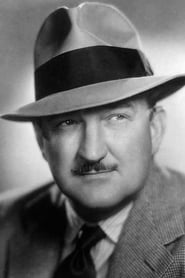
William A. Seiter
Director
Born: June 10, 1890 in New York City, New York, USA Died: July 26, 1964 Active: 1915-1960 Birth Name: William Alfred Seiter
Films
8 films
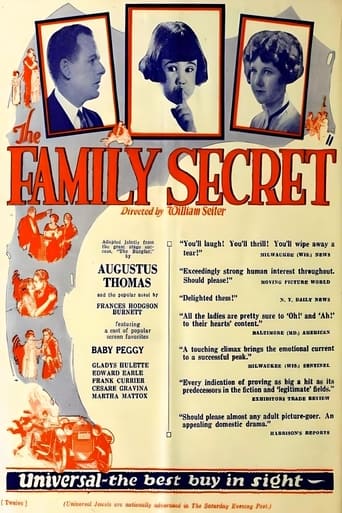
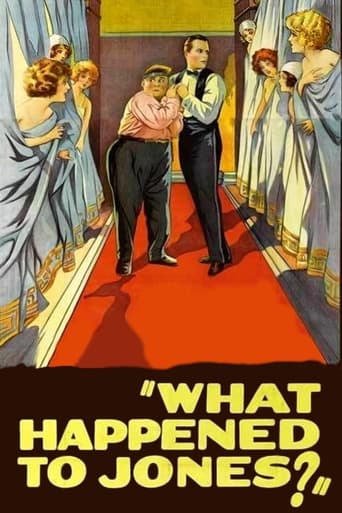


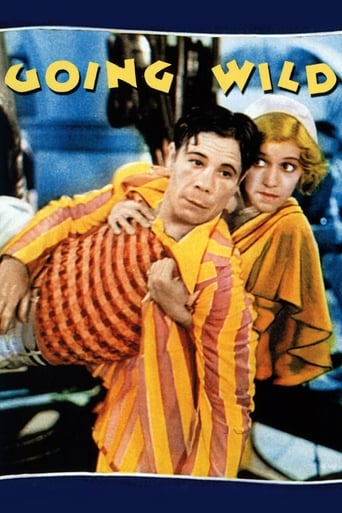
About William A. Seiter
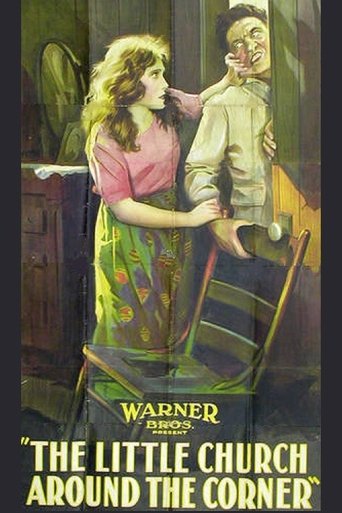
Prolific American film director: over three decades, from the silent era through the Golden Age of Hollywood. Born in New York City in 1890, Seiter began his career in the film industry as an actor before transitioning to directing in the early 1920s. He quickly established himself as a reliable director of comedies and light dramas, working with major studios including Universal, Fox, and RKO. During the silent era, he directed numerous films featuring popular stars of the day, such as the films mentioned from 1924-1929. Seiter successfully made the transition to sound films, continuing his prolific output through the 1930s and 1940s, directing stars like Shirley Temple, Fred Astaire, and Ginger Rogers. He was known for his efficiency and ability to deliver films on schedule and within budget, making him a valuable studio director. Seiter's career continued into the early 1960s, during which he directed over 100 films across various genres, though he was particularly celebrated for his comedies and musicals. He retired from filmmaking in the early 1960s after a remarkable career that left a significant mark on Hollywood's studio system era.
The Craft
Behind the Camera
William A. Seiter was known for his efficient, workmanlike directing style that emphasized clarity and entertainment value. He had a particular talent for comedy, timing his scenes carefully to maximize humorous moments while maintaining smooth narrative flow. His approach was studio-friendly, focusing on delivering commercially viable films that appealed to mainstream audiences. Seiter excelled at directing actors, particularly in comedy, bringing out natural performances while maintaining the polished look expected of studio productions. His visual style was clean and straightforward, prioritizing storytelling over artistic experimentation, which made him particularly adept at handling various genres from musicals to dramas.
Milestones
- Directed over 100 films during his 45-year career
- Successfully transitioned from silent films to talkies
- Directed Shirley Temple in several films including 'Stowaway' (1936)
- Worked with Fred Astaire and Ginger Rogers on 'Roberta' (1935)
- Directed the classic comedy 'Sons of the Desert' (1933) with Laurel and Hardy
Best Known For
Must-See Films
Accolades
Special Recognition
- Hollywood Walk of Fame Star (located at 6263 Hollywood Boulevard)
Working Relationships
Worked Often With
Studios
Why They Matter
Impact on Culture
William A. Seiter made significant contributions to Hollywood's Golden Age through his prolific output of commercially successful films. His work with comedy teams like Laurel and Hardy helped define the American comedy genre during the 1930s. Seiter's musical films contributed to the popularity of the genre during its peak years, particularly his collaborations with major stars. His ability to consistently deliver entertaining, well-crafted films helped establish the studio system's reputation for quality entertainment. Seiter's films reflected and shaped American cultural values during the Depression and World War II eras, providing audiences with escapist entertainment during challenging times.
Lasting Legacy
William A. Seiter's legacy lies in his remarkable productivity and versatility as a studio director during Hollywood's Golden Age. With over 100 directing credits, he exemplified the journeyman director who could handle any genre with competence and professionalism. His films continue to be appreciated by classic film enthusiasts, particularly his comedies and musicals. Seiter's career demonstrates the importance of reliable, efficient directors in the studio system, who could deliver quality entertainment while working within the constraints of time and budget. His work with major stars like Shirley Temple and Laurel and Hardy has ensured that his films remain part of the classic cinema canon.
Who They Inspired
Seiter influenced subsequent generations of directors through his example of professional efficiency and genre versatility. His approach to comedy, particularly his timing and pacing, influenced later comedy directors. His success in transitioning from silent films to sound provided a model for other directors facing the technological revolution in cinema. Many of his techniques for directing child actors, particularly his work with Shirley Temple, became reference points for other filmmakers. His ability to work successfully with multiple studios demonstrated the possibilities for directors to maintain creative control while working within the studio system.
Off Screen
William A. Seiter was married three times during his life. His first marriage was to actress Eva Fernandes in 1915, which ended in divorce. He then married actress Marian Nixon in 1928, but this marriage also ended in divorce. His third and final marriage was to actress and screenwriter Marion Parsonnet in 1937, which lasted until his death in 1964. Seiter was known as a family man who maintained a relatively private personal life despite his Hollywood career. He was respected by his colleagues for his professionalism and dedication to his craft.
Education
Attended Columbia University but left before graduation to pursue a career in entertainment
Family
- Eva Fernandes (1915-1924)
- Marian Nixon (1928-1936)
- Marion Parsonnet (1937-1964)
Did You Know?
- Directed over 100 films in his career, making him one of Hollywood's most prolific directors
- Began his career as an actor in silent films before transitioning to directing
- Was one of the few directors who worked successfully with both Laurel and Hardy and the Marx Brothers
- His film 'Sons of the Desert' (1933) is considered one of Laurel and Hardy's best features
- Directed Shirley Temple in three of her most successful films
- His wife Marion Parsonnet was a successful screenwriter who wrote several of his later films
- Served in the Army Air Corps during World War I
- Was known for completing films ahead of schedule and under budget
- His efficiency earned him the nickname 'One-Take Willie' from studio executives
- Retired to Florida after leaving the film industry
- His star on the Hollywood Walk of Fame was dedicated in 1960
- Worked with virtually every major star of the 1930s and 1940s at some point in his career
In Their Own Words
A director's job is to get the best performance from his actors while keeping the studio happy and the audience entertained.
In comedy, timing is everything - you can have the best joke in the world, but if the timing is wrong, it falls flat.
Making movies is like conducting an orchestra - every section must work in harmony for the final piece to be beautiful.
Frequently Asked Questions
Who was William A. Seiter?
Prolific American on YTB.my. He was particularly known for his comedies and musicals, working with major stars like Shirley Temple, Laurel and Hardy, and Fred Astaire.
What films is William A. Seiter best known for?
Titles linked here include Sons of the Desert (1933), Roberta (1935).
When was William A. Seiter born and when did he die?
Born June 10, 1890; died July 26, 1964.
What awards did William A. Seiter win?
While William A. Seiter did not win major film awards like Academy Awards, he received a star on the Hollywood Walk of Fame in recognition of his significant contributions to the film industry. His recognition came primarily through his commercial success and the enduring popularity of his films.
What was William A. Seiter's directing style?
Seiter's directing style was characterized by efficiency, clarity, and strong comedic timing. He was known for his workmanlike approach that prioritized entertainment value and smooth narrative flow, making him particularly adept at comedy and musical genres. His visual style was clean and straightforward, focusing on storytelling rather than artistic experimentation.