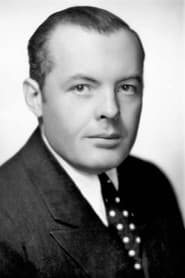
Lincoln Stedman
Actor
Born: September 18, 1907 in Denver, Colorado, USA Died: March 15, 1948 Active: 1921-1932 Birth Name: Lincoln Irving Stedman
Films
7 films

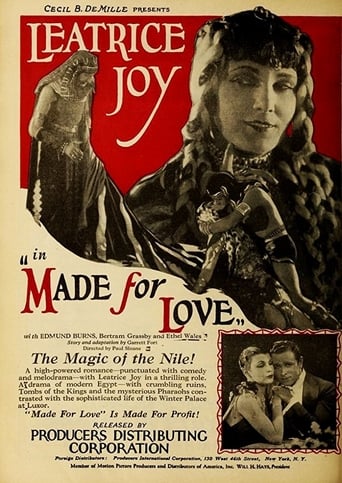
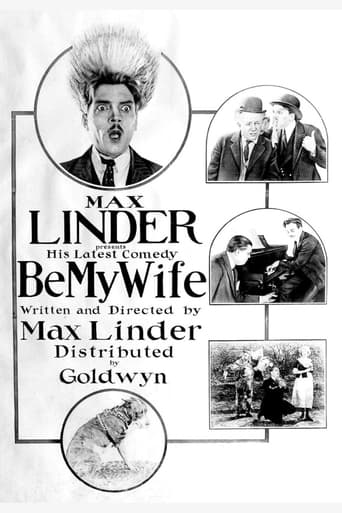
About Lincoln Stedman
prolific character actor during the silent film era — known for his distinctive portly build and expressive face that made him instantly recognizable to audiences of the 1920s. Born into a theatrical family, he began his film career in the early 1920s and quickly established himself as a reliable supporting player in both comedies and dramas. Stedman appeared in over 80 films during his brief but active career, often playing comic relief roles, authority figures, or sympathetic side characters. His most notable work included collaborations with major stars of the era, including appearances in films with Colleen Moore and Betty Bronson. Despite his extensive filmography, Stedman's career was cut short by the transition to sound films, as his particular screen persona and acting style were better suited to silent cinema. He continued working in smaller roles through the early sound era but gradually faded from the screen by the early 1930s. His legacy remains as a representative of the countless dedicated character actors who populated Golden Age Hollywood films, providing essential support to the leading stars of their day.
The Craft
On Screen
Stedman specialized in character acting with a particular talent for physical comedy and expressive facial gestures that translated well in silent cinema. His portly build and distinctive features made him ideal for comic relief roles, often playing bumbling officials, befuddled businessmen, or good-natured but confused supporting characters. He employed broad gestures and exaggerated expressions typical of silent film acting, but with a natural warmth that made his characters endearing to audiences rather than merely ridiculous.
Milestones
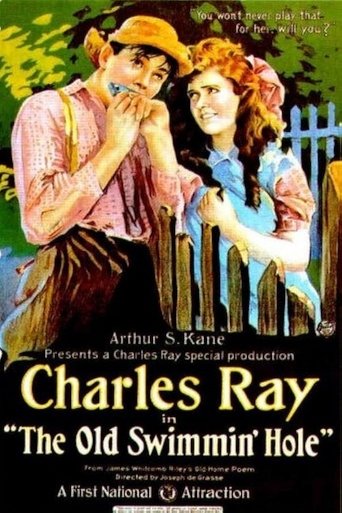
- Film debut in The Old Swimmin' Hole (1921)
- Regular supporting actor at major studios throughout the 1920s
- Transition to sound films in early talkies
- Prolific character actor with over 80 film appearances
- Worked with prominent silent era directors and stars
Best Known For
Iconic Roles
Must-See Films
Working Relationships
Worked Often With
Studios
Why They Matter
Impact on Culture
Lincoln Stedman represents the essential but often overlooked character actors who formed the backbone of silent era cinema. While never a leading man, his consistent presence in dozens of films helped create the Hollywood's Golden Age, providing the necessary supporting framework that allowed stars to shine. His career trajectory also illustrates the challenges many silent film actors faced with the advent of sound, as specialized screen personas that worked well in silent cinema often struggled to transition successfully to talkies.
Lasting Legacy
Stedman's legacy lies in his contribution to the silent film era as a reliable and recognizable character actor who appeared in numerous productions throughout the 1920s. His filmography serves as a valuable record of the types of supporting roles that were crucial to the success of silent cinema. While not remembered as a major star, his work exemplifies the craftsmanship and dedication of the countless character actors who made Hollywood's studio system function effectively during its formative years.
Who They Inspired
As a character actor, Stedman's influence was primarily in demonstrating the importance of strong supporting performances in ensemble casts. His ability to create memorable characters within limited screen time provided a model for future generations of character actors in both film and television. His career also serves as a case study in the evolution of acting styles from the broad gestures required in silent film to the more nuanced performances demanded by sound cinema.
Off Screen
Lincoln Stedman was born into a family with theatrical connections, which likely influenced his career choice in entertainment. He married actress and fellow silent film performer Mary Philbin in 1927, though their marriage was relatively short-lived. Despite his extensive film career, Stedman maintained a relatively private personal life away from the Hollywood spotlight. His later years were marked by declining health, and he passed away at the relatively young age of 40, just as the film industry he had known was undergoing massive transformations.
Education
Limited information available, likely educated in Denver before moving to Hollywood
Family
- Mary Philbin (1927-1931)
Did You Know?
- Was the son of actor Marshall Stedman, making him part of a Hollywood family
- His distinctive portly build made him easily recognizable to silent film audiences
- Appeared in over 80 films during his 11-year career
- His marriage to Mary Philbin, star of 'The Phantom of the Opera' (1925), was highly publicized
- Like many character actors of his era, he often played multiple roles in single productions
- His career declined rapidly with the transition to sound films
- Was particularly adept at physical comedy despite his heavy build
- Often cast as a comic foil to more handsome leading men
- Worked with many of the biggest stars of the silent era
- His filmography includes several lost films that no longer exist
In Their Own Words
As a character actor, Stedman rarely delivered memorable lines, as his work was primarily physical and visual in nature, typical of silent film supporting players
Frequently Asked Questions
Who was Lincoln Stedman?
Prolific American character with credits in this catalog. He typically played comic relief and supporting characters in both comedies and dramas.
What films is Lincoln Stedman best known for?
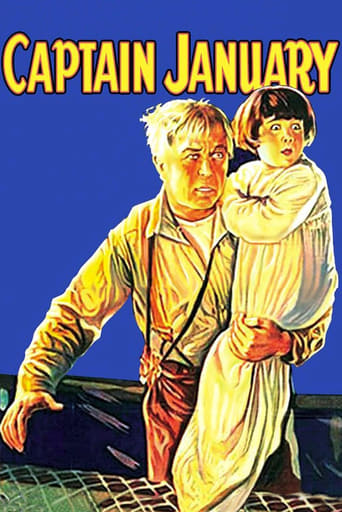
Titles linked here include The Old Swimmin' Hole (1921), Captain January (1924).
When was Lincoln Stedman born and when did he die?
Born September 18, 1907; died March 15, 1948.
What awards did Lincoln Stedman win?
Lincoln Stedman did not receive any major awards or nominations during his career. Like many character actors of his era, his contributions were recognized through consistent employment rather than formal accolades.
What was Lincoln Stedman's acting style?
Stedman specialized in character acting with broad physical comedy and expressive gestures suited to silent cinema. His portly build and distinctive features made him ideal for comic relief roles, and he employed exaggerated expressions typical of the silent era with natural warmth.
Why did Lincoln Stedman's career end?
Stedman's career declined with the transition to sound films in the late 1920s and early 1930s. His particular screen persona and acting style, which worked well in silent cinema, were less suited to the new demands of talking pictures.
Was Lincoln Stedman related to other actors?
Yes, Lincoln Stedman was the son of actor Marshall Stedman, coming from a theatrical family. He was also briefly married to silent film star Mary Philbin, best known for her role in 'The Phantom of the Opera' (1925).