

Captain January
"Storm-tossed foundling"
Keys: Space play/pause · ←/→ 10s · F fullscreen · M mute · </> speed
About this film
During a tempestuous storm, a lighthouse keeper finds an infant girl who washes ashore tied to some wreckage. He adopts her and they become inseparable.
Cast & crew
More films like this
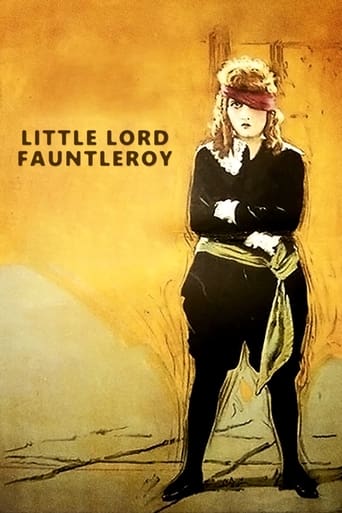
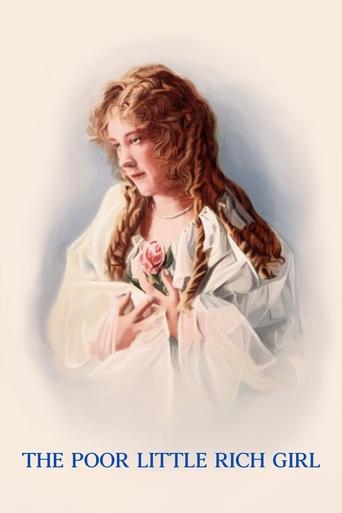
More Drama films
View all →







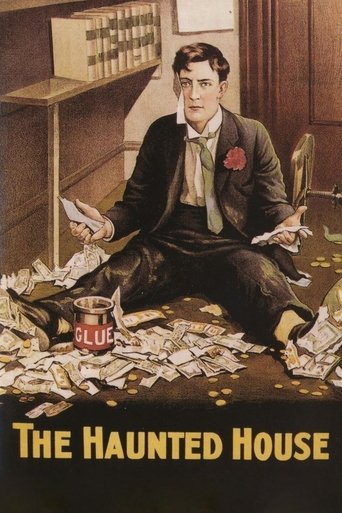
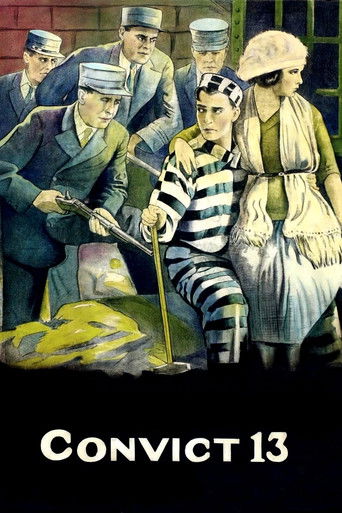
More from Edward F. Cline
View all →

More about this film
About the production
Release dateSeptember 15, 1924
Box officeUnknown - but successful enough to help establish Baby Peggy as a major star
ProductionUniversal Pictures
Filmed inCalifornia coast, Universal Studios lot
The film featured impressive miniature effects for the storm sequences, with the production team creating detailed models of ships and lighthouse surroundings. The lighthouse set was built on Universal's backlot and was considered quite elaborate for its time. Baby Peggy performed many of her own stunts, which was common for child actors of the era but raised concerns even then about child safety in filmmaking.
Themes
Found familyParental loveNature vs. nurtureIsolation and communityLoss and recovery
Themes & topics
lighthouse keepershipwreckadopted childstormcoastal lifefather-daughter relationshipseparationfamily reunionorphanrescue
Historical background
Captain January reached screens around 1924, produced in its country of origin. Silent-era houses paired such titles with live music and newsreel bills.
Why this film matters
Researchers cite Captain January when tracing screen culture of its decade.
Making of
The production of 'Captain January' took place during the height of the silent era's studio system, with Universal Pictures investing heavily in their child star properties. Baby Peggy, though only five years old, worked long hours on set, a practice that would later be criticized and regulated. The film's storm sequences required extensive preparation, with the special effects department creating elaborate miniature models and using full-scale water tanks on the studio lot. Director Edward F. Cline, known primarily for his work in comedy, brought a sensitive touch to the dramatic material, working carefully with young Peggy to elicit natural performances. Hobart Bosworth, a veteran of early cinema, served as both a co-star and mentor to the young actress. The production faced challenges in creating believable storm effects without modern technology, relying on wind machines, water tanks, and careful editing to achieve the desired dramatic impact.
What critics said
Reviewers in 1924 weighed Captain January on clarity, pacing, and audience response rather than prestige status. No single canonical review dominates later reference works for the title.
Did you know?
- Baby Peggy was one of the highest-paid stars of her time, earning $1.5 million annually at the height of her career
- This film was based on an 1891 story by Laura E. Richards, which was also the source material for the more famous 1936 Shirley Temple version
- Hobart Bosworth was a pioneering film actor and director who had been making movies since 1908
- The film was released during Baby Peggy's peak popularity period when she was one of the biggest box office draws in Hollywood
- Universal Pictures heavily promoted this film as a showcase for their young star, with extensive marketing campaigns
- The storm sequences used innovative techniques including wind machines and water tanks to create realistic effects
- Baby Peggy's real name was Peggy-Jean Montgomery, and she was only 5 years old when this film was made
- The film's success led to several more collaborations between Baby Peggy and Universal Pictures
- Director Edward F. Cline was a comedy specialist who had worked with Buster Keaton before moving to dramatic features
- The lighthouse set was so detailed that it included working mechanisms and was considered among the costliest sets built by Universal that year
Visual style
The cinematography by Charles J. Stumar utilized the visual possibilities of the coastal setting, creating dramatic contrasts between the intimate interior of the lighthouse and the expansive, often dangerous sea. The film employed innovative camera techniques for the storm sequences, including dynamic angles and movement to convey the violence of the weather. Stumar made effective use of natural lighting when possible, particularly in the exterior scenes, while creating carefully controlled lighting for the interior lighthouse scenes to enhance the emotional atmosphere. The cinematography supported the narrative by visually isolating the main characters in their lighthouse home, emphasizing their separation from the outside world. The visual style was characteristic of mid-1920s Universal productions, with a focus on clarity and emotional impact over artistic experimentation.
Innovations
The film's most notable technical achievements were in its special effects, particularly the creation of convincing storm sequences using the technology available in 1924. The production team employed miniature models, wind machines, and large water tanks to simulate the violent storm that opens the film. The lighthouse set was an impressive construction, featuring working mechanical parts and designed to look authentic both inside and out. The film also utilized early matte painting techniques to extend the coastal settings beyond what could be practically built on the studio lot. The underwater sequences for the shipwreck scenes were particularly innovative for their time, requiring specialized camera housing and careful planning to achieve the desired effects.
Music
As a silent film, 'Captain January' would have been accompanied by live musical performance in theaters, typically consisting of a piano or organ player following cue sheets provided by the studio. The musical score would have emphasized the emotional beats of the story, with gentle, melodic themes for the father-daughter relationship and dramatic, dissonant music for the storm sequences. Universal likely provided theaters with suggested musical selections and timing cues to ensure consistent emotional impact across different venues. The score would have incorporated popular songs of the era as well as classical pieces appropriate to the dramatic moments. The music was essential in conveying the story's emotional depth, particularly in scenes where the actors' performances needed musical enhancement to communicate the intended feelings to the audience.
Famous quotes
A father's love is the strongest lighthouse in any storm
Star light, star bright, the first star I see tonight
No matter how far apart we are, we'll always be together in our hearts
Memorable scenes
- The opening storm sequence where Captain January discovers the infant Star washed ashore
- The tender scenes between Captain January and Star in the lighthouse, showing their deep bond
- The dramatic confrontation when authorities attempt to remove Star from her adopted father's care
- The emotional farewell scene as Star must leave the only home she's ever known
What audiences thought
The film was well-received by audiences in 1924, particularly families who were drawn to Baby Peggy's charm and the story's emotional appeal. The film performed solidly at the box office, helping to cement Baby Peggy's status as one of the era's most popular child stars. Audience response was especially positive to the emotional scenes between Captain January and Star, with many viewers reporting being moved to tears by the father-daughter relationship portrayed in the film. The storm sequences were also popular with audiences, who appreciated the technical spectacle and dramatic tension. The film's success demonstrated the continuing appeal of family-oriented stories during the jazz age, even as many films were exploring more modern and sophisticated themes.
Film connections
Influenced by
- The influence of stage melodramas
- Literary traditions of found family stories
- Earlier films about lighthouse keepers
- The growing genre of child star vehicles
This film influenced
- Captain January (1936)
- Other child star family dramas of the late 1920s
- Later films about lighthouse keepers and isolated families
Film restoration
The film survives in complete form at the Library of Congress and other film archives, though it remains largely unavailable to modern audiences. The preservation quality is considered good for a film of its era, with clear images and intact intertitles. However, like many silent films, it has not received extensive restoration work and shows some signs of deterioration typical of nitrate film from this period. The film exists in both 16mm and 35mm formats in various archives, ensuring its long-term preservation.
Where to watch
- The film is not currently available on major streaming platforms
- Archival screenings occasionally occur at film festivals and museums
- Some film archives may offer viewing access for researchers
- Bootleg versions circulate among silent film collectors
- The film may be available through specialized silent film distributors