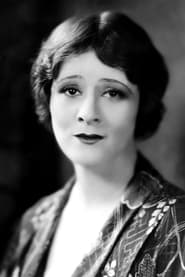
Irene Rich
Actor
Born: October 13, 1891 in Buffalo, New York, USA Died: April 22, 1988 Active: 1915-1949 Birth Name: Irene Frances Lillian Rich
Films
11 films
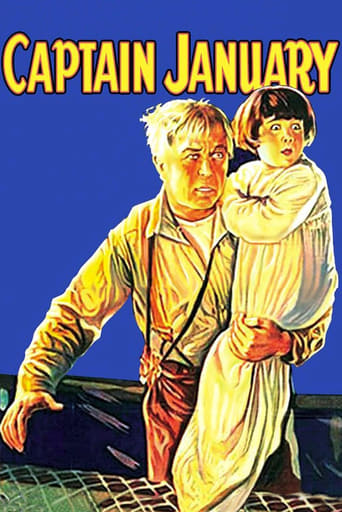
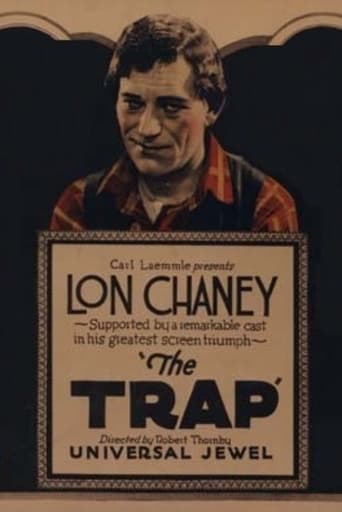
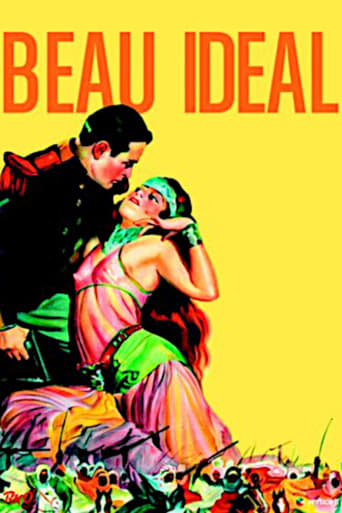
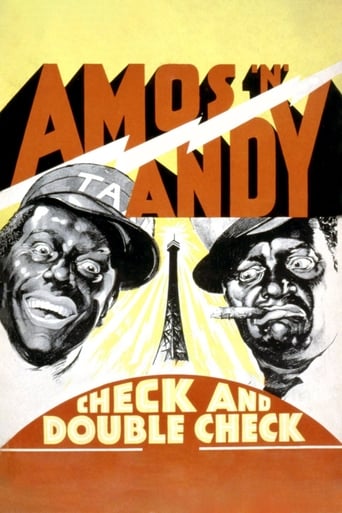
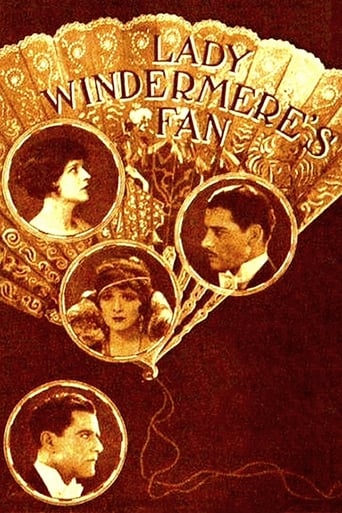
About Irene Rich
Prolific American actress: from the silent era through the golden age of Hollywood, appearing in over 100 films between 1915 and 1949. Born in Buffalo, New York, she began her film career after working as a model and quickly rose to prominence as a leading lady in the 1920s, starring opposite many of the era's biggest male stars including John Barrymore and Wallace Reid. Rich demonstrated remarkable versatility, successfully transitioning from silent films to talkies, where her sophisticated demeanor and refined speaking voice served her well. Beyond her film work, she became a popular radio personality in the 1930s and 1940s, hosting her own programs and continuing to act in smaller film roles. Her career evolved gracefully from leading lady to character actress, allowing her to remain relevant in an industry that often discarded aging stars. Rich retired from acting in the late 1940s, leaving behind a legacy of consistent professionalism and adaptability across multiple entertainment mediums.
The Craft
On Screen
Irene Rich was known for her elegant and sophisticated screen presence, often portraying refined society women, aristocrats, or compassionate maternal figures. Her acting style was naturalistic for the era, avoiding the exaggerated gestures common in silent films in favor of more subtle expressions and controlled movements. In talkies, her clear, well-modulated voice and refined diction made her particularly suited to roles of authority and respectability. She brought a sense of warmth and intelligence to her characters, whether playing romantic leads or supporting roles, and her ability to convey emotion through her eyes made her particularly effective in silent films.
Milestones
- Leading lady in over 100 films during the silent era
- Successful transition from silent films to talkies
- Radio host and personality in the 1930s-1940s
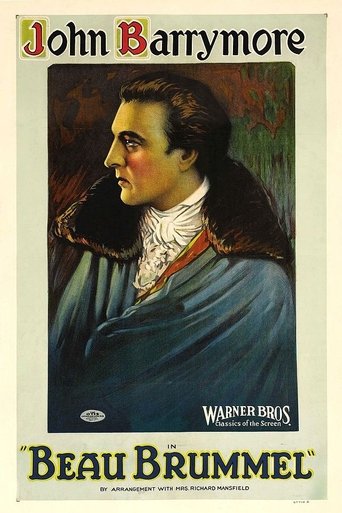
- Starred opposite John Barrymore in 'Beau Brummel' (1924)
- Became a respected character actress in later years
Best Known For
Iconic Roles
Must-See Films
Accolades
Won
- Hollywood Walk of Fame Star (1960)
Special Recognition
- Hollywood Walk of Fame Star at 6513 Hollywood Boulevard for her contributions to motion pictures
- Honored by the Women's International Film Club for her contributions to cinema
Working Relationships
Worked Often With
Studios
Why They Matter
Impact on Culture
Irene Rich represented the ideal of the sophisticated, refined Hollywood actress during the transition from silent films to talkies. Her successful adaptation to sound technology demonstrated that silent film stars could thrive in the new medium with proper technique and training. As a radio personality, she helped bridge the gap between film and broadcast entertainment, showing how movie stars could expand their appeal across different media. Her longevity in the industry, spanning from the mid-1910s through the late 1940s, made her a living link between early Hollywood and the golden age of cinema. Rich's career trajectory from leading lady to character actress provided a model for aging gracefully in an industry notorious for discarding older performers.
Lasting Legacy
Irene Rich's legacy lies in her remarkable adaptability and professionalism during one of Hollywood's most transformative periods. She exemplified the successful transition from silent films to talkies, maintaining her career while many of her contemporaries faded into obscurity. Her work in radio further demonstrated her versatility and helped establish the precedent for movie stars crossing over into broadcasting. Rich's filmography serves as a valuable record of the evolution of American cinema, with her performances reflecting the changing styles and techniques of the medium. Her daughter Frances Rich's successful career as a sculptor created an artistic legacy that extended beyond the entertainment industry. Today, film historians and classic cinema enthusiasts appreciate Rich as a representative example of the working actress who sustained a career through talent, adaptability, and professional dedication.
Who They Inspired
Irene Rich influenced subsequent generations of actresses through her demonstration of how to maintain relevance in a rapidly changing industry. Her successful transition to talkies provided a model for other silent film stars facing the technological revolution of sound. Her later work as a character actress showed how leading ladies could continue working in meaningful roles as they aged, challenging Hollywood's ageist tendencies. Rich's radio career influenced the way film stars approached broadcasting, emphasizing the importance of voice training and personal connection with audiences. Her professionalism and longevity inspired younger performers to value consistency and adaptability over fleeting stardom.
Off Screen
Irene Rich was married four times throughout her life and had one daughter. Her personal life was relatively stable compared to many Hollywood stars of her era, though she did experience the ups and downs of multiple marriages. She was known for her professionalism and dedication to her craft, maintaining a respectable public image throughout her long career. After retiring from entertainment, she lived a quiet life in California, occasionally participating in film retrospectives and interviews about Hollywood's golden age.
Education
Limited formal education, began working as a model after completing basic schooling in Buffalo
Family
- Elvo De Francesca (1915-1918)
- Webster C. Campbell (1919-1920)
- Arthur S. Kane (1921-1925)
- David W. Wheaton (1926-1951, his death)
Did You Know?
- Her daughter Frances Rich became a renowned sculptor, creating works for several Catholic institutions and the US Navy
- She was one of the few silent film stars to successfully transition to radio, hosting her own programs in the 1930s
- Rich appeared in over 100 films but received relatively few leading roles compared to her contemporaries
- She worked with both John Barrymore and his brother Lionel Barrymore during her career
- Despite being a prominent actress in the 1920s, she never received an Academy Award nomination
- Her star on the Hollywood Walk of Fame was awarded in 1960, well after her retirement from acting
- She was known for her distinctive speaking voice, which helped her transition to talkies
- Rich often played aristocratic or high-society roles, reflecting her elegant screen persona
- She continued acting in small roles into the 1940s, long after many of her silent-era contemporaries had retired
- Her marriage to David W. Wheaton lasted 25 years until his death, her longest and most stable relationship
In Their Own Words
The secret to longevity in pictures is not stardom, but usefulness. When you're useful, you work.
Sound pictures didn't frighten me. I had always believed that the voice was as important as the face in creating a character.
Hollywood changes, but the need for professionalism never does. That's what keeps you working.
Frequently Asked Questions
Who was Irene Rich?
Screen credits include over 100 films from the silent era through the 1940s, successfully transitioning from silent films to talkies and later becoming a radio personality. She was known for her elegant screen presence and often played sophisticated society women or maternal figures.
What films is Irene Rich best known for?
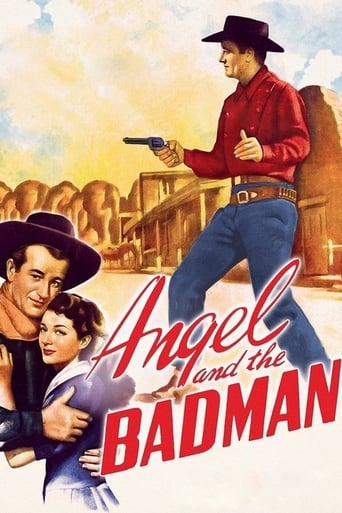
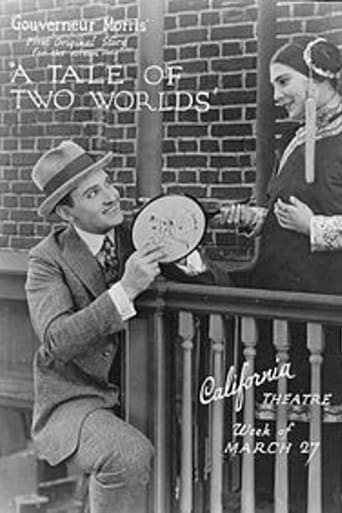
Titles linked here include Beau Brummel (1924), Captain January (1924).
When was Irene Rich born and when did she die?
Born October 13, 1891; died April 22, 1988.
What awards did Irene Rich win?
Irene Rich received a star on the Hollywood Walk of Fame in 1960 at 6513 Hollywood Boulevard for her contributions to motion pictures. While she was a prolific and respected actress, she did not receive major film awards during her active career.
What was Irene Rich's acting style?
Irene Rich was known for her elegant and sophisticated acting style, often portraying refined society women with naturalistic performances that avoided the exaggerated gestures common in silent films. Her clear, well-modulated voice and refined diction made her particularly effective in talkies.
Did Irene Rich have any children?
Yes, Irene Rich had one daughter, Frances Rich (1912-2007), who became a noted sculptor creating works for Catholic institutions and the US Navy. Frances was from Rich's first marriage to Elvo De Francesca.
How did Irene Rich transition from silent films to talkies?
Irene Rich successfully transitioned to talkies due to her clear, well-modulated voice and refined diction, which made her particularly suited to sound films. Unlike many silent stars who struggled with the transition, Rich adapted her acting style and continued working steadily through the 1930s and 1940s.