
Harry T. Morey
Actor
Born: December 20, 1877 in New Brunswick, New Jersey, USA Died: January 28, 1936 Active: 1907-1936 Birth Name: Harry Thomas Morey
Films
3 films
About Harry T. Morey
Harry T. Morey worked on over 200 films during his career spanning nearly two decades. Born in New Brunswick, New Jersey, he began his film career in 1907 with a role in the silent adaptation of Ben Hur, one of the earliest feature-length American films. Morey became a prominent actor with Vitagraph Studios, one of the major film production companies of the silent era, where he developed a reputation as a reliable and versatile character actor. Throughout the 1910s and early 1920s, he transitioned from leading roles to supporting and character parts, appearing in numerous shorts and feature films. His career peaked during the silent era, and like many actors of his generation, he struggled with the transition to sound films in the late 1920s. Morey continued acting until his death in 1936, leaving behind a substantial body of work that represents the evolution of early American cinema.
The Craft
On Screen
Morey was known for his naturalistic acting style that evolved with the medium of film itself. In the early days of cinema, he employed the theatrical style common to stage actors transitioning to film, but gradually adapted to the more subtle techniques required by the camera. His performances were marked by clear emotional expression and strong character definition, making him particularly effective in both dramatic and comedic roles. As a character actor in his later career, he developed a reputation for bringing depth and reliability to supporting roles.
Milestones
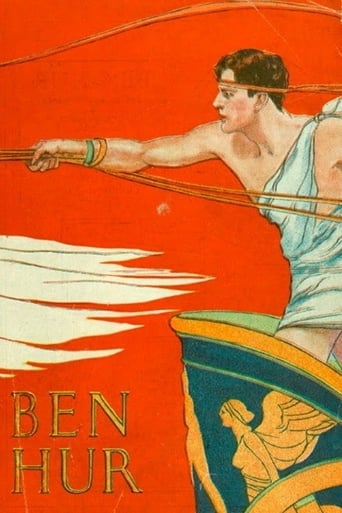
- Appeared in the 1907 silent film adaptation of Ben Hur
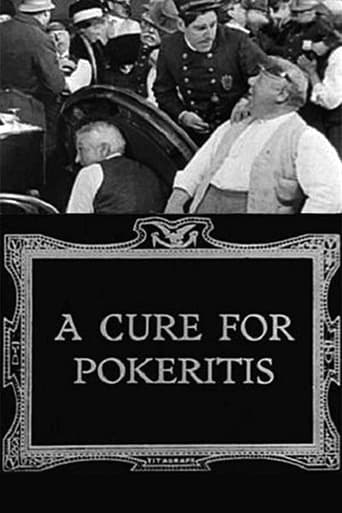
- Starred in the popular comedy short A Cure for Pokeritis (1912)
- Worked extensively with Vitagraph Studios
- Appeared in over 200 films during his career
- Transitioned from leading roles to character acting
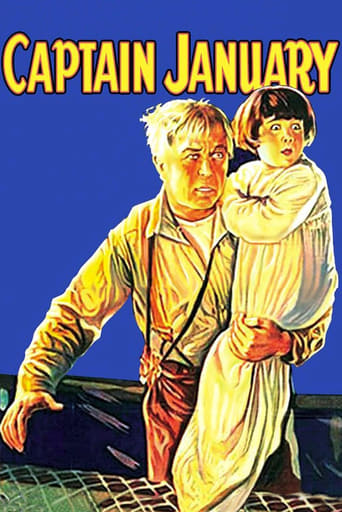
- Appeared in Captain January (1924) with Baby Peggy
Best Known For
Iconic Roles
Must-See Films
Accolades
Special Recognition
- Pioneer of American silent cinema
Working Relationships
Worked Often With
Studios
Why They Matter
Impact on Culture
Harry T. Morey was part of the generation of American film actors who helped establish the language of cinema performance. His work during the transitional period from theatrical acting to film-specific techniques contributed to the development of screen acting as a distinct art form. Through his extensive filmography, Morey documented the evolution of American storytelling and cultural values during the early 20th century, appearing in films that reflected contemporary social issues and entertainment preferences.
Lasting Legacy
Morey's legacy lies in his substantial contribution to the foundation of American cinema. As one of the early actors who made the transition from stage to screen, he helped establish conventions of film acting that would influence generations of performers. His extensive body of work serves as a valuable record of early American filmmaking techniques and storytelling approaches. While not as widely remembered as some of his contemporaries, Morey represents the dedicated character actors who formed the backbone of the early film industry.
Who They Inspired
Morey influenced the development of character acting in American cinema, demonstrating how supporting roles could enhance narrative depth and emotional resonance. His adaptability to changing film technologies and storytelling methods provided a model for actors navigating the transition from silent to sound films. His work with Vitagraph Studios helped establish the studio system approach to film production that would dominate Hollywood for decades.
Off Screen
Harry T. Morey was married to actress Mary Maurice, who was also a prominent figure in early silent films. The couple often worked together in Vitagraph productions. Morey was known as a dedicated family man who maintained a relatively private personal life despite his public career. He spent his later years in New York City, where he passed away in 1936 at the age of 58.
Education
Limited information available about his formal education, but he likely received theatrical training common to actors of his era
Family
- Mary Maurice (married until his death in 1936)
Did You Know?
- Appeared in one of the earliest film adaptations of Ben Hur in 1907
- Made over 200 films during his career
- Was married to fellow silent film actress Mary Maurice
- Worked extensively with comedy star John Bunny in Vitagraph productions
- Survived the transition from short films to feature-length productions
- Appeared in films spanning the entire silent era
- Was part of the stock company at Vitagraph Studios
- His career predates the establishment of Hollywood as the film capital
- Appeared in both dramatic and comedic roles throughout his career
- Worked with Baby Peggy, one of the first major child film stars
In Their Own Words
The art of film acting is learning to do less while meaning more
In pictures, the camera sees what the stage audience misses
Every actor must learn to speak without words when the film demands it
Frequently Asked Questions
Who was Harry T. Morey?
Screen credits include over 200 films between 1907 and 1936. He was particularly associated with Vitagraph Studios and was known for his versatility as both a leading man and character actor during the silent era.
What films is Harry T. Morey best known for?
Titles linked here include Ben Hur (1907), A Cure for Pokeritis (1912).
When was Harry T. Morey born and when did he die?
Born December 20, 1877; died January 28, 1936.
What awards did Harry T. Morey win?
Harry T. Morey did not receive formal awards during his career, as the major award systems for film were established after his most active period. However, he is recognized as a pioneer of American silent cinema and contributed significantly to early film development.
What was Harry T. Morey's acting style?
Morey's acting style evolved from theatrical techniques to more subtle film-specific methods. He was known for his clear emotional expression and strong character definition, making him effective in both dramatic and comedic roles. As he matured as an actor, he developed a naturalistic approach suited to the camera's intimate perspective.