Barbara Tennant
Actor
Born: May 19, 1892 in New York City, New York, USA Died: May 18, 1982 Active: 1911-1927
Films
5 films
About Barbara Tennant
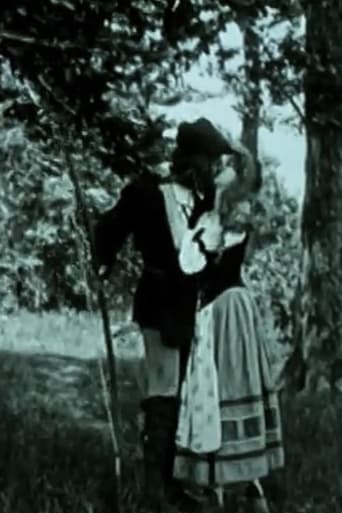
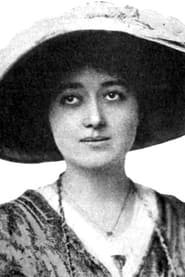
Prolific American actress of the silent film era,: nearly two decades from the early 1910s through the late 1920s. Born in New York City in 1892, she entered the burgeoning film industry during its formative years and quickly established herself as a reliable supporting actress. Tennant appeared in dozens of short films and features for various studios, working with some of the era's most prominent directors and actors. Her filmography demonstrates remarkable versatility, encompassing everything from historical epics like Robin Hood (1912) to contemporary dramas and comedies. As the film industry transitioned from shorts to feature-length productions, Tennant adapted seamlessly, continuing to secure roles throughout the 1920s. Her career concluded with the advent of sound films, as was common for many silent era actors whose acting styles and personas were specifically tailored to the medium of silent cinema. After retiring from acting, she lived a private life in California until her death in 1982, just one day before her 90th birthday.
The Craft
On Screen
Barbara Tennant was known for her naturalistic acting style that evolved with the changing demands of silent cinema. Her performances were characterized by expressive yet restrained gestures, avoiding the exaggerated melodramatic style common in early silent films. She had a particular talent for conveying emotion through subtle facial expressions and body language, making her particularly effective in supporting roles. Her screen presence was adaptable, allowing her to play both sympathetic and antagonistic characters with equal credibility.
Milestones
- Appeared in the early silent epic Robin Hood (1912)
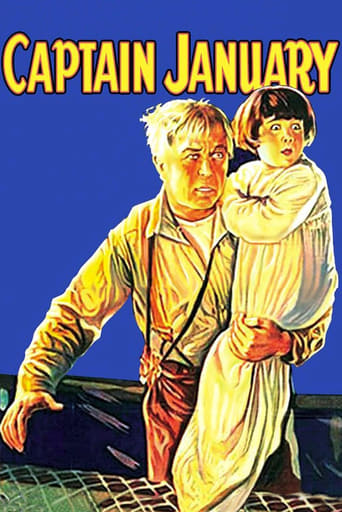
- Supporting role in Captain January (1924) starring Baby Peggy
- Prolific career with over 100 film appearances
- Successful transition from short films to feature-length productions
- Worked throughout the entire silent era
Best Known For
Iconic Roles
Must-See Films
Working Relationships
Worked Often With
Studios
Why They Matter
Impact on Culture
Barbara Tennant represents the archetype of the working actress during Hollywood's formative years. Her career trajectory mirrors the evolution of the American film industry itself, from the primitive one-reelers of the early 1910s to the sophisticated feature productions of the late 1920s. As a supporting actress who appeared in over 100 films, she contributed to the development of narrative cinema and helped establish the grammar of film acting that would influence subsequent generations. Her work in historical productions like Robin Hood (1912) helped demonstrate cinema's potential for bringing literature and history to life for mass audiences.
Lasting Legacy
Barbara Tennant's legacy lies in her extensive body of work that serves as a valuable record of silent era filmmaking. Her films, particularly those that survive in archives, provide insight into the acting techniques, storytelling methods, and production values of early American cinema. As one of the many dedicated character actresses who formed the backbone of the silent film industry, her career exemplifies the opportunities available to women in early Hollywood and the challenges they faced with the transition to sound. Her longevity in the industry, spanning the entire silent era, demonstrates her adaptability and professional reliability.
Who They Inspired
While Barbara Tennant was not a major star who influenced acting techniques directly, her consistent performances across hundreds of films contributed to the standardization of film acting practices. Her work in supporting roles helped establish the importance of ensemble acting in cinema, showing that compelling narratives required strong performances from all cast members, not just the leads. Her ability to transition between different genres and character types demonstrated the versatility required of silent film actors, setting an example for subsequent generations of character actresses.
Off Screen
Barbara Tennant maintained a relatively private personal life throughout her career and after her retirement from acting. She spent her final years in Woodland Hills, California, a community popular among retired Hollywood professionals. Despite her extensive filmography, she rarely gave interviews or participated in the social aspects of Hollywood life. She passed away peacefully in 1982, just one day shy of her 90th birthday, having outlived most of her silent film contemporaries.
Did You Know?
- Appeared in over 100 films during her 16-year career
- Her final film appearances came in 1927, just as sound cinema was emerging
- Worked with child star Baby Peggy in Captain January (1924)
- Was part of the early Hollywood community that transitioned from New York to California
- Her active years covered the entire golden age of silent cinema
- Lived to be nearly 90 years old, outliving most of her contemporaries
- Never made the transition to sound films, retiring before the talkie revolution fully took hold
- Her film Robin Hood (1912) was one of the earliest full-length American films
Frequently Asked Questions
Who was Barbara Tennant?
American actress who worked primarily in silent films from 1911 to 1927. She appeared in over 100 films, mostly in supporting roles, and was known for her versatility across different genres from historical epics to contemporary dramas.
What films is Barbara Tennant best known for?
Titles linked here include Robin Hood (1912), Captain January (1924).
When was Barbara Tennant born and when did she die?
Born May 19, 1892; died May 18, 1982.
What awards did Barbara Tennant win?
There are no recorded awards or nominations for Barbara Tennant, which was common for supporting actors during the silent era when formal award ceremonies like the Academy Awards had not yet been established.
What was Barbara Tennant's acting style?
Tennant was known for her naturalistic acting style that evolved with silent cinema, characterized by expressive yet restrained gestures and subtle facial expressions. She avoided the exaggerated melodramatic style common in early silent films and was particularly effective in conveying emotion through nuanced performance.
Why did Barbara Tennant's career end in 1927?
Her career concluded in 1927 as the film industry was transitioning from silent to sound films. Like many silent era actors, she likely found her acting style and screen persona were specifically suited to silent cinema and chose to retire rather than adapt to the new requirements of talkies.