Baby Peggy
Actor
Born: October 26, 1918 in San Diego, California, USA Died: February 24, 2020 Active: 1920-1925 (primary acting career) Birth Name: Peggy-Jean Montgomery (later Diana Serra Cary)
Films
4 films
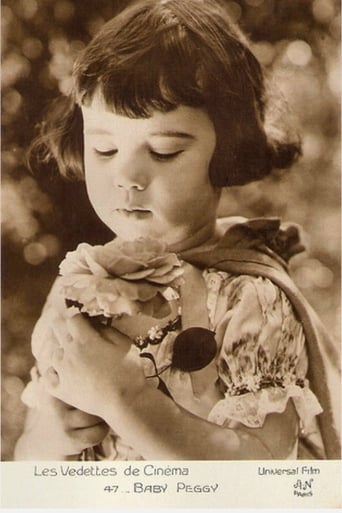
About Baby Peggy
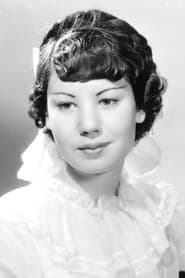
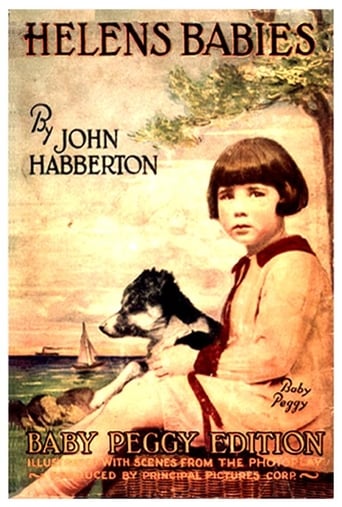
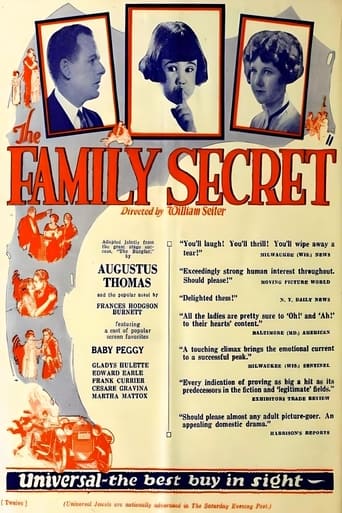
Baby Peggy, born Peggy-Jean Montgomery, was successful and highest-paid child stars of the silent film era, earning over $1.2 million by age five. She began her film career at just 19 months old in 1920 after being discovered by director Fred Fishback while visiting Universal Studios with her mother. Between 1920 and 1923, she starred in over 150 short films and several features, becoming Universal Pictures' biggest box office attraction and earning the nickname 'The Million Dollar Baby.' Her career came to an abrupt halt in 1925 when her father had a falling out with producer Sol Lesser over her earnings, resulting in her being effectively blacklisted by the industry. After leaving Hollywood, she struggled with her identity and education, later changing her name to Diana Serra Cary and becoming a respected author and film historian. She wrote several books about Hollywood's child stars, including her autobiography 'What Ever Happened to Baby Peggy?' She lived to be 101 years old, becoming one of the last surviving stars from the silent era and a living link to Hollywood's golden age.
The Craft
On Screen
Baby Peggy was known for her naturalistic and remarkably mature acting style for such a young child. Unlike many child actors of her era who relied on exaggerated gestures, she displayed an uncanny ability to convey complex emotions through subtle facial expressions and body language. She often played precocious, intelligent children who could outsmart adults or navigate adult situations with surprising sophistication. Her performances were characterized by a remarkable emotional range, from comedic timing in slapstick sequences to deeply moving dramatic moments that could bring audiences to tears.
Milestones
- Became Universal Pictures' biggest box office star in 1921-1923
- Earned over $1.2 million by age five, making her one of Hollywood's highest-paid actors
- Starred in over 150 short films and several feature films
- Received 1.2 million fan letters in 1922 alone
- Had her own line of dolls, books, and merchandise
- Became a respected film historian and author in her later years
Best Known For
Iconic Roles
Must-See Films
Accolades
Special Recognition
- Hollywood Walk of Fame star (1960)
- San Diego Film Critics Society Career Achievement Award (2013)
- Cinecon Legacy Award (2016)
Working Relationships
Worked Often With
Studios
Why They Matter
Impact on Culture
Cultural phenomenon in the early 1920s, representing the idealized innocence and charm that audiences craved in the post-World War I era. Her success helped establish the child star as a major box office draw and paved the way for future child actors like Jackie Coogan and Shirley Temple. She was one of the first film stars to have extensive merchandising, including dolls, books, and other products, setting a precedent for celebrity branding. Her story also highlighted the darker side of child stardom, as her parents' mismanagement of her earnings led to financial ruin and career destruction, becoming a cautionary tale about the exploitation of child performers.
Lasting Legacy
Baby Peggy's legacy is twofold: as a child star who dominated silent cinema and as an important voice for child performer advocacy. Her films, though many are now lost, represent some of the finest examples of child acting from the silent era. Her later work as a film historian preserved the stories of Hollywood's early years and brought attention to the plight of child stars. Her autobiography and other books provided invaluable insights into the early film industry and remain essential reading for cinema historians. As one of the last living links to the silent era, her interviews and appearances in her later years provided firsthand accounts of Hollywood's golden age.
Who They Inspired
Baby Peggy influenced generations of child performers through both her on-screen work and her off-screen advocacy. Her natural acting style contrasted with the more theatrical performances common in silent films, influencing how children were directed in subsequent decades. Her writings about child stardom helped raise awareness about the need for legal protections for young performers, contributing to the passage of the Coogan Act and similar legislation. She directly mentored and supported other former child stars, helping them process their experiences and find their voices. Her work as a historian preserved the memory of silent cinema and inspired new generations of film scholars and enthusiasts.
Off Screen
After her film career ended, Baby Peggy struggled with her identity and the transition to normal life. She attended school but faced bullying from classmates who recognized her from films. She worked various jobs including as a bookshop clerk, radio scriptwriter, and publisher before finding her calling as a writer. In 1963, she legally changed her name to Diana Serra Cary and began her second career as a film historian and author. She married actor Bob Cary in 1954, and they remained together until his death in 2001. She spent her later years advocating for better protections for child performers in the entertainment industry.
Education
Attended public schools in Los Angeles after leaving Hollywood, though her education was often interrupted by her film career and later work. She was largely self-taught in her historical research and writing career.
Family
- Bob Cary (1954-2001)
Did You Know?
- She was earning $1,500 per week by age three, equivalent to over $25,000 today
- Received 1.2 million fan letters in 1922, more than any other star
- Had her own brand of milk, bread, and dolls marketed to children
- Her father squandered most of her $1.2 million earnings on bad investments
- Many of her films are now considered lost, a common fate for silent films
- She was the first child star to have her name above the title in billing
- Her popularity rivaled that of adult stars like Charlie Chaplin and Mary Pickford
- She performed many of her own stunts, including dangerous scenes that would never be allowed today
- After leaving films, she worked as a publisher and founded her own small press
- She lived through 19 U.S. Presidencies and saw the entire evolution of cinema
In Their Own Words
I was a product, not a person. I was manufactured for public consumption.
The tragedy of the child star is that they grow up, but the public doesn't want them to.
I've had two lives: one as Baby Peggy, the commodity, and one as Diana Cary, the person.
Silent films required more acting, not less. You had to convey everything without words.
The best thing that ever happened to me was losing my fame. It allowed me to find myself.
Frequently Asked Questions
Who was Baby Peggy?
Baby Peggy, born Peggy-Jean Montgomery, was. She starred in over 150 films and was Universal Pictures' biggest box office attraction, earning millions before her career ended at age seven.
What films is Baby Peggy best known for?
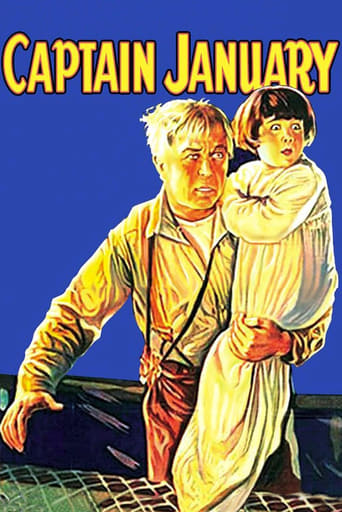
Titles linked here include Playmates (1921), Captain January (1924).
When was Baby Peggy born and when did she die?
Born October 26, 1918; died February 24, 2020.
What awards did Baby Peggy win?
While Baby Peggy didn't receive major film awards during her active career (as the Academy Awards weren't established until 1929, after her peak), she received a Hollywood Walk of Fame star in 1960 and later recognition including the San Diego Film Critics Society Career Achievement Award in 2013.
What was Baby Peggy's acting style?
Baby Peggy was known for her remarkably naturalistic and mature acting style for such a young child. Unlike many silent film actors who used exaggerated gestures, she conveyed complex emotions through subtle expressions and displayed impressive emotional range in both comedic and dramatic roles.
Why did Baby Peggy's career end so suddenly?
Baby Peggy's career ended abruptly in 1925 when her father had a falling out with producer Sol Lesser over her earnings. This conflict resulted in her being effectively blacklisted by Hollywood studios, and her family squandered most of her fortune through poor investments and lavish spending.
What did Baby Peggy do after her film career?
After leaving Hollywood, Baby Peggy worked various jobs including as a bookshop clerk and radio scriptwriter. She later changed her name to Diana Serra Cary and became a respected author and film historian, writing several books about child stars and Hollywood's golden age, including her autobiography 'What Ever Happened to Baby Peggy?'