
The Old Swimmin' Hole
"Summer days at the old swimmin' hole"
This film is not available to watch here yet.
About this film
The normal life of a young farm boy as he goes to school and as he relaxes in the country is depicted.
Cast & crew
More films like this
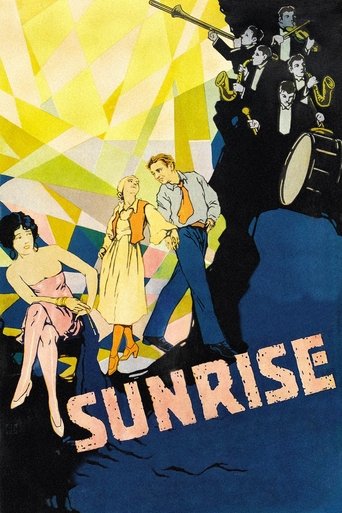
More from Joseph De Grasse
View all →
More about this film
About the production
Release dateOctober 1921
Box officeUnknown - modest success typical for Charles Ray vehicles of this period
ProductionCharles Ray Productions, Associated First National Pictures
Filmed inRural California locations, Possibly San Fernando Valley area
The Old Swimmin' Hole was part of Charles Ray's series of wholesome, rural-themed films that capitalized on his 'All-American Boy' persona. Director Joseph De Grasse, an experienced filmmaker from the silent era, brought his characteristic gentle touch to this pastoral tale. The film was shot during the summer months to ensure authentic seasonal atmosphere for the swimming sequences. Production emphasized natural lighting and outdoor locations to enhance the authentic rural feel. The swimming hole scenes required careful coordination with child actors and safety considerations for the period.
Themes
Rural nostalgiaComing of ageInnocence of childhoodConnection to natureSimpler times
Themes & topics
farm boyswimming holerural lifechildhoodschoolsummerinnocencecoming of agefirst lovecountry lifenostalgiasmall townnaturefriendshipfamily
Historical background
Silent-era audiences encountered The Old Swimmin' Hole around 1921, as studios refined cross-cutting and star-driven storytelling.
Why this film matters
The Old Swimmin' Hole shows how silent filmmakers conveyed plot through gesture, title cards, and editing.
Making of
The production of The Old Swimmin' Hole reflected Charles Ray's carefully cultivated image as America's wholesome country boy. Ray, who had become a star playing similar roles, insisted on authentic rural settings and refused to work in studio backlots for this production. The swimming hole sequences required innovative solutions for the period, as underwater photography was still in its infancy. The production team used specially designed waterproof camera housings and carefully choreographed the scenes to maximize safety while maintaining naturalistic movement. Director Joseph De Grasse, known for his patient direction of actors, worked extensively with the young cast to achieve authentic performances. The film was shot during an unusually hot California summer, which created both challenges for the crew and authentic atmosphere for the swimming sequences. Local residents were often used as extras in community scenes, adding to the film's documentary-like feel. The production emphasized natural lighting throughout, reflecting the growing cinematographic trend away from harsh studio lighting toward more realistic outdoor illumination.
What critics said
Press notices for The Old Swimmin' Hole (1921) are sparse in digitized sources; interest today rests on preserved prints and comparison with related titles.
Did you know?
- Charles Ray was one of the highest-paid stars of the early 1920s, earning approximately $11,000 per week at the height of his popularity
- The title was inspired by James Whitcomb Riley's popular 1883 poem 'The Old Swimmin' Hole,' which many American children would have known from school
- Laura La Plante was just beginning her career when was made, and would go on to become a major star at Universal Studios
- Director Joseph De Grasse came from a family of filmmakers - his brother Sam De Grasse was a prominent character actor in silent films
- The film was part of a trend in early 1920s cinema that romanticized rural American life as a reaction to increasing urbanization
- Charles Ray personally selected many of his film projects and had significant creative control over his productions
- The swimming scenes were among the most technically challenging to film due to the limitations of underwater photography equipment in 1921
- was released just as the film industry was transitioning from short features to longer feature-length productions
- Joseph De Grasse had previously directed many films with Lon Chaney before working with Charles Ray
- The film's emphasis on outdoor settings reflected the growing trend of location filming in California
Awards & recognition
- No significant awards recorded for this production
Visual style
The cinematography of The Old Swimmin' Hole, while without on-screen billing in surviving records, demonstrates the growing sophistication of outdoor photography in early 1920s American cinema. The film makes extensive use of natural lighting, particularly in the swimming hole sequences where sunlight filtering through trees creates a dappled, romantic effect. The camera work emphasizes the beauty of the rural landscape, using wide shots to establish the pastoral setting and medium shots for character interactions. The swimming sequences required innovative techniques for the period, including specialized camera housings for water scenes and careful choreography to capture the illusion of spontaneous childhood play. The film's visual style reflects the influence of the emerging pictorialist movement in cinematography, which sought to bring artistic sensibility to motion picture photography. The contrast between outdoor scenes and the few interior sequences demonstrates the technical challenges of lighting during this period, with the outdoor scenes generally appearing more naturalistic and visually appealing. The cinematography contributes significantly to the film's nostalgic tone, using soft focus and careful composition to create a dreamlike vision of rural American life.
Innovations
The Old Swimmin' Hole demonstrated several technical achievements typical of advancing film production in the early 1920s. The underwater photography sequences, while rudimentary by modern standards, represented innovative use of available technology for capturing scenes beneath the water's surface. The production's extensive use of natural lighting in outdoor locations reflected the growing sophistication of location filming techniques and the industry's movement away from complete reliance on studio lighting. The film's smooth editing and narrative pacing showed the increasing maturity of cinematic language in the early silent era. The production team developed specialized equipment for the swimming sequences, including waterproof camera housings and safety rigs for the actors. The film's preservation of rural landscapes on camera technical documentary of American locations that have since been developed or altered. The sound recording techniques used for any accompanying music or effects would have represented the state-of-the-art for 1921, though the film itself was purely visual. The film's negative and print quality demonstrated the continuing improvements in film stock and processing techniques that characterized this period of rapid technical advancement in cinema.
Music
As a silent film, The Old Swimmin' Hole would have been accompanied by live musical performance during its theatrical run. The original musical score is not known to survive, but typical presentations would have included a combination of popular songs of the era, classical pieces, and specially composed cues. The title itself suggests the likely inclusion of the popular song 'The Old Swimmin' Hole,' based on James Whitcomb Riley's poem, which was well-known to audiences of the time. The musical accompaniment would have emphasized the film's nostalgic and pastoral qualities, with selections likely including American folk tunes, light classical pieces, and popular songs about rural life. Larger theaters might have employed small orchestras, while smaller venues would have used piano or organ accompaniment. The music would have been synchronized with the on-screen action, with faster tempos for playful scenes and more melancholic melodies for reflective moments. The swimming sequences would have been accompanied by flowing, water-themed musical selections to enhance the visual poetry of these scenes.
Famous quotes
No specific dialogue quotes survive from this silent film, but intertitles likely included phrases about rural life and childhood innocence typical of the era
Memorable scenes
- The opening sequence showing Jimmy walking to school through rural fields
- The swimming hole scenes with children playing in the water
- Jimmy and Mary's first meeting at the swimming hole
- The seasonal montage showing the passage of time in the countryside
- The final scene with Jimmy reflecting at the swimming hole as summer ends
What audiences thought
The Old Swimmin' Hole was well-received by contemporary audiences, particularly in smaller towns and rural areas where its depiction of country life resonated strongly with viewers' own experiences. The film appealed to families looking for wholesome entertainment and was often marketed as suitable for all ages. Charles Ray's popularity as 'America's Country Boy' ensured a built-in audience for the film, and it performed respectably at the box office, though not at the level of his biggest hits. Audience reaction letters preserved in trade publications indicate that viewers particularly appreciated the authentic swimming hole scenes and the film's nostalgic qualities. The film's gentle romance between Ray and Laura La Plante's characters was also well-received, with many viewers commenting on the natural chemistry between the leads. In urban theaters, the film appealed to audiences seeking escape from city life and a romanticized vision of rural America. While not as commercially successful as some of Ray's other rural-themed productions, it maintained his reputation as a reliable star of wholesome family entertainment.
Film connections
Influenced by
- James Whitcomb Riley's poetry
- Pastoral literary tradition
- American regionalist writing
- Previous Charles Ray rural films
- D.W. Griffith's rural dramas
This film influenced
- Subsequent rural nostalgia films
- Later Charles Ray productions
- Coming-of-age silent films
- Hollywood's rural genre films of the 1920s
Film restoration
The preservation status of The Old Swimmin' Hole is uncertain, with no complete prints known to survive in major film archives. Like many films from this period, it may be partially or completely lost. Some sources suggest fragments or shortened versions might exist in private collections or smaller archives, but a complete, restored version is not currently available to the public. The film represents one of many casualties of silent era film loss, with estimates suggesting that over 75% of American silent films have been lost due to neglect, deterioration, or deliberate destruction. The lack of preserved copies makes it difficult for modern audiences to appreciate this example of early 1920s rural cinema and Charles Ray's work. Film preservation organizations continue to search for missing films from this era in collections worldwide.
Where to watch
- Currently not available for viewing due to preservation status
- Film archives may have fragments available for research purposes
- No known commercial releases or streaming availability