
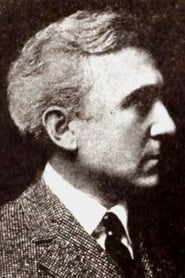
Joseph De Grasse
Director
Born: May 4, 1873 in Drummondville, New Brunswick, Canada Died: March 25, 1940 Active: 1912-1939
Films
4 films
About Joseph De Grasse
Canadian-American film director and actor who in early Hollywood cinema during the silent era. Born in Nova Scotia, Canada, he began his career as a stage actor before transitioning to the burgeoning film industry in the early 1910s. De Grasse worked extensively with Universal Pictures and other major studios, directing over 80 films between 1913 and 1924. He was particularly known for his work in Westerns and dramatic features, often collaborating with prominent stars of the era. His directorial style emphasized strong visual storytelling and emotional depth, characteristics that helped define silent film aesthetics. Later in his career, he returned to acting, appearing in numerous character roles throughout the 1920s and 1930s. De Grasse was part of a notable Hollywood family, with his brother Sam De Grasse becoming a well-known character actor, and his son Robert De Grasse following in his footsteps as a cinematographer.
The Craft
Behind the Camera
De Grasse's directing style emphasized clear visual storytelling and emotional authenticity. He was known for his efficient shooting techniques and ability to extract strong performances from his actors. His films often featured sweeping landscapes and carefully composed shots that enhanced the dramatic impact of his narratives. He had a particular skill for directing Westerns and melodramas.
Milestones
- Directed over 80 films during the silent era
- Key director at Universal Pictures (1915-1920)
- Directed Mary Pickford in 'Heart o' the Hills' (1919)
- Transitioned successfully from directing to character acting
- Part of influential De Grasse Hollywood family
Best Known For
Iconic Roles
Must-See Films
Accolades
Special Recognition
- Pioneer of early Hollywood cinema
- Contributor to the development of silent film directing techniques
Working Relationships
Worked Often With
Studios
Why They Matter
Impact on Culture
Joseph De Grasse contributed significantly to the development of American cinema during its formative years. As one of the early directors at Universal Pictures, he helped establish studio production methods that would become standard in Hollywood. His work with major stars like Mary Pickford helped define the star system that would dominate Hollywood for decades. His films, particularly his Westerns, contributed to the development of American genre cinema and helped establish visual and narrative conventions that would influence countless future filmmakers.
Lasting Legacy
De Grasse's legacy lies in his substantial contribution to silent era cinema, both as a director and as part of an influential Hollywood family. His over 80 directorial works represent an important body of early American film that showcases the evolution of cinematic language during the 1910s and 1920s. The De Grasse family's multi-generational involvement in Hollywood - spanning directing, acting, and cinematography - demonstrates the family's lasting impact on the film industry. His films continue to be studied by film historians and enthusiasts interested in the development of early American cinema.
Who They Inspired
De Grasse influenced early Hollywood directors through his efficient production methods and visual storytelling techniques. His work at Universal helped establish patterns for studio-based filmmaking that would become industry standards. His success in transitioning from directing to acting provided a model for other filmmakers looking to extend their careers in the changing film industry. His son Robert De Grasse's successful career as a cinematographer continued the family's influence on Hollywood filmmaking into the sound era and beyond.
Off Screen
Joseph De Grasse came from a large family and was one of eleven children. He married Ida May Pinckney in 1902, and their son Robert De Grasse would later become a successful cinematographer in Hollywood. The family moved to California in the early 1910s as Joseph pursued opportunities in the film industry. His brother Sam De Grasse also became a prominent actor, appearing in many films including Douglas Fairbanks productions. The De Grasse family became one of the notable acting families in early Hollywood.
Education
Limited formal education; trained in theater through practical experience in touring companies
Family
- Ida May Pinckney (1902-1940)
Did You Know?
- Born in Canada but became a naturalized American citizen
- Part of one of early Hollywood's most prolific film families
- Directed films featuring many of the biggest stars of the silent era
- His brother Sam De Grasse — frequent villain in Douglas Fairbanks films
- His son Robert De Grasse was nominated for an Academy Award for Best Cinematography
- Began his career in touring theater companies before entering films
- Worked as both director and actor during the same period in his career
- Was one of Universal Pictures' most reliable directors during the 1910s
- Often cast his brother Sam in his films
- Helped launch the careers of several actors who later became major stars
In Their Own Words
The motion picture is the art form of the twentieth century, and we are only beginning to understand its power
In silent films, the camera must speak what the actors cannot
Every frame should tell a story, every movement should have meaning
Frequently Asked Questions
Who was Joseph De Grasse?
Canadian-American on YTB.my. He directed over 80 films between 1913 and 1924, working with major stars like Mary Pickford, and later became a character actor in the 1930s. He was part of the influential De Grasse Hollywood family that included his actor brother Sam and cinematographer son Robert.
What films is Joseph De Grasse best known for?
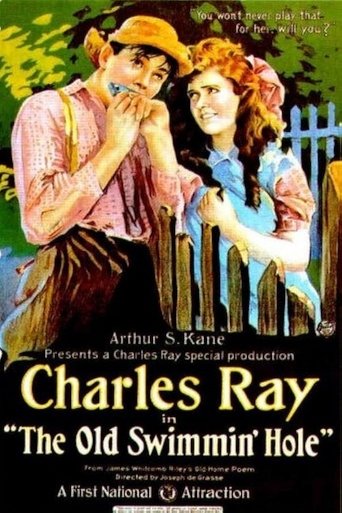
Titles linked here include Heart o' the Hills (1919), The Old Swimmin' Hole (1921).
When was Joseph De Grasse born and when did he die?
Born May 4, 1873; died March 25, 1940.
What awards did Joseph De Grasse win?
Joseph De Grasse did not receive major formal awards during his career, as he worked primarily during the early years of Hollywood before the establishment of the Academy Awards. However, he is recognized by film historians as a director who made substantial contributions to silent cinema and helped establish early Hollywood production methods.
What was Joseph De Grasse's directing style?
De Grasse's directing style emphasized clear visual storytelling and emotional authenticity, crucial for silent films. He was known for efficient shooting techniques, strong visual composition, and the ability to extract powerful performances from actors. His work particularly excelled in Westerns and melodramas, where he used sweeping landscapes and carefully framed shots to enhance dramatic impact.