Lon Poff
Actor
Born: February 8, 1870 in Bedford, Indiana, USA Died: August 8, 1952 Active: 1921-1943 Birth Name: Alonzo Poff
Films
5 films
About Lon Poff
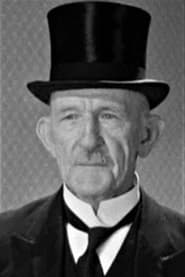
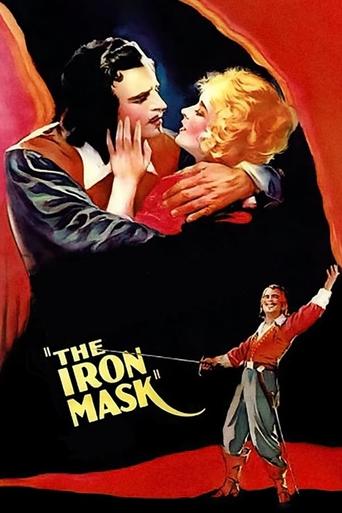
Prolific American character actor: the silent era through the early sound period of Hollywood. Born in 1870, he began his film career in the early 1920s, quickly establishing himself as a reliable supporting actor with a distinctive appearance that made him particularly suited for roles as clergymen, judges, and other authority figures. His breakthrough came during the silent era where he appeared in numerous comedies and dramas, working with some of the biggest stars of the period. Poff's career reached its peak in the late 1920s when he appeared in Douglas Fairbanks' swashbuckling adventure 'The Iron Mask' (1929), one of the last great silent epics. Unlike many silent film actors, Poff successfully transitioned to talkies, though his roles became increasingly smaller as he aged. He continued acting through the 1930s and early 1940s, appearing in over 200 films throughout his career, though often without on-screen billing in his later years. His final film appearances came in the early 1940s before he retired from the film industry.
The Craft
On Screen
Poff was known for his distinctive appearance with a gaunt, serious face and piercing eyes that made him particularly effective in roles requiring gravitas or authority. He specialized in playing clergymen, judges, doctors, and other establishment figures, bringing a quiet dignity to even the smallest roles. His acting style was understated yet commanding, relying on subtle facial expressions and a reserved demeanor that suited the dramatic requirements of both silent and early sound films.
Milestones
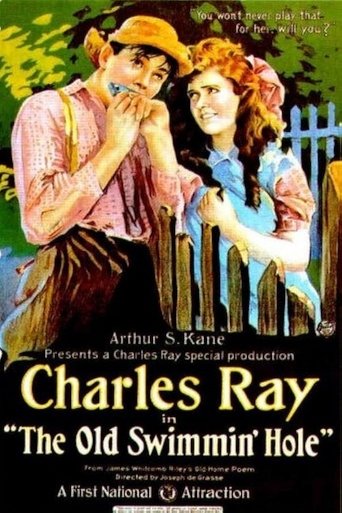
- Film debut in 'The Old Swimmin' Hole' (1921)
- Regular appearances in Harold Lloyd comedies
- Notable role in 'The Iron Mask' (1929)
- Successful transition from silent to sound films
- Over 200 film appearances throughout career
Best Known For
Iconic Roles
Must-See Films
Working Relationships
Worked Often With
Studios
Why They Matter
Impact on Culture
Lon Poff represents the quintessential character actor of early Hollywood, the unsung hero who provided the essential supporting framework that allowed stars to shine. His ability to embody authority figures with authenticity helped establish the visual language of American cinema, particularly in how clergy and legal professionals were portrayed on screen. His successful transition from silent to sound films demonstrated the importance of adaptable character actors during this revolutionary period in film history.
Lasting Legacy
Though largely forgotten by mainstream audiences, Lon Poff's legacy lives on through the hundreds of films in which he appeared, many of which are preserved as important examples of early American cinema. His career shows the vital role character actors played in building Hollywood's golden age, and his filmography provides a valuable record of the evolution of American film from the silent era through the early sound period.
Who They Inspired
Poff influenced subsequent generations of character actors by demonstrating how distinctive physical appearance combined with subtle, dignified performances could create memorable supporting roles. His work in establishing archetypes for authority figures on screen influenced how such characters would be portrayed in American cinema for decades to come.
Off Screen
Lon Poff was married twice during his lifetime. He was known as a private individual who maintained a low profile off-screen, focusing on his craft rather than seeking celebrity status. Despite appearing in hundreds of films, he remained a humble character actor who was respected by his colleagues for his professionalism and reliability.
Education
Limited formal education, primarily self-taught in acting through theater experience before entering films
Family
- Margaret Poff (1900-1919)
- Lillian Poff (1920-1952)
Did You Know?
- Appeared in over 200 films during his career
- Often played clergymen due to his distinctive appearance
- Successfully transitioned from silent films to talkies
- Frequently worked with comedian Harold Lloyd
- Born in Indiana but moved to California to pursue acting
- Many of his later roles were uncredited
- His real name was Alonzo, which he shortened to 'Lon' for his stage name
- Worked as a stage actor before entering films
- Appeared in both silent and sound versions of some films
- Was particularly active during the 1920s, appearing in dozens of films per year
Frequently Asked Questions
Who was Lon Poff?
Screen credits include over 200 films during the silent era and early sound period. He was known for his distinctive appearance and frequent portrayals of clergymen, judges, and other authority figures.
What films is Lon Poff best known for?
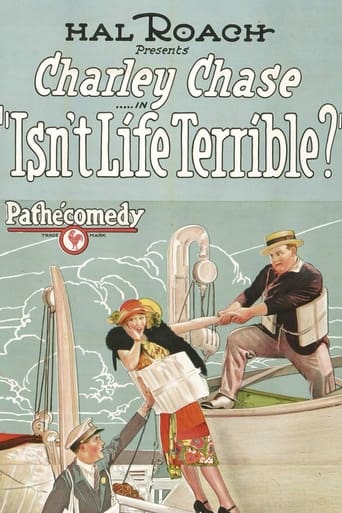
Titles linked here include The Iron Mask (1929), Isn't Life Terrible? (1925).
When was Lon Poff born and when did he die?
Born February 8, 1870; died August 8, 1952.
What awards did Lon Poff win?
Lon Poff did not receive any major awards or nominations during his career, which was typical for character actors of his era who often worked without recognition despite their significant contributions to films.
What was Lon Poff's acting style?
Poff's acting style was characterized by understated dignity and gravitas, making him particularly effective in roles as authority figures. He relied on subtle facial expressions and a reserved demeanor that worked well in both silent and early sound films.