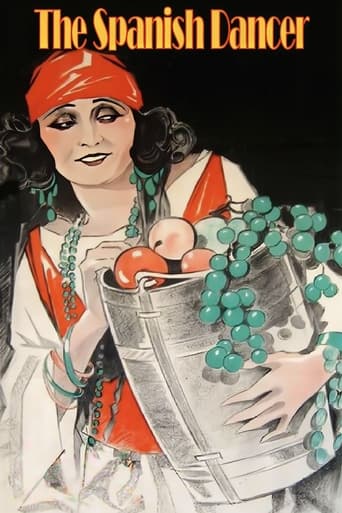
Suzanna
"Ranch betrothals and hidden love"
Keys: Space play/pause · ←/→ 10s · F fullscreen · M mute · </> speed
About this film
Hoping to consolidate their adjoining ranches, Don Fernando and Don Diego betroth their children, Ramón and Dolores, although Ramón is in love with Suzanna, the daughter of a peon on his father's ranch, and Dolores is interested in Pancho, a toreador. When Suzanna learns that she.
Cast & crew
More films like this

More Romance films
View all →




More from F. Richard Jones
View all →

More about this film
About the production
Release date1923-10-21
ProductionMack Sennett Comedies
Filmed inCalifornia, USA
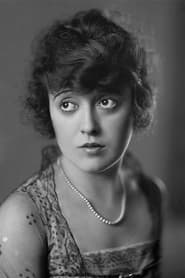
The film was produced during the transition period when Mabel Normand was trying to establish herself as a serious dramatic actress after years as a comedy star. The production utilized authentic Mexican-style sets and costumes to create the romanticized Spanish colonial atmosphere. The incomplete surviving print suggests the film may have been longer in its original release, as was common with silent features of this era.
Themes
Class differences and social barriersTrue love versus arranged marriageIdentity and self-discoveryRebellion against parental authorityThe power of destiny
Themes & topics
arranged marriageforbidden loveranch lifeMexican settingclass differencesidentity revelationwedding interruptionfamily secretsromantic dramasilent film
Historical background
When Suzanna debuted in 1923, Mack Sennett Comedies was among the companies feeding nickelodeons and larger houses alike.
Why this film matters
Museum programs pair Suzanna with other 1923 works when discussing hoping to consolidate their adjoining ranches, don fernando and don diego betroth their ch.
Making of
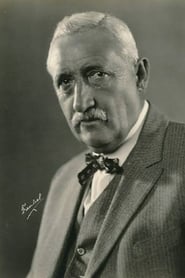
The production of 'Suzanna' occurred during a challenging period in Mabel Normand's career, as she was attempting to transition from slapstick comedy to dramatic roles. Director F. Richard Jones, who had worked extensively with Normand in her comedy days, supported this transition by crafting a vehicle that showcased her dramatic range. The film was shot on location in California, with the production team constructing elaborate hacienda sets to create the authentic Spanish colonial atmosphere. The casting of George Nichols, a veteran character actor who had appeared in hundreds of silent films, added gravitas to the production. Behind the scenes, the film faced the typical challenges of silent era production, including the need for exaggerated physical acting and the synchronization of action with musical accompaniment that would be added later.
What critics said
Archival catalogs list Suzanna without citing major awards, matching its 1923 profile.
Did you know?
- This was one of Mabel Normand's final starring roles before her career declined due to personal scandals and health issues
- The film represents a rare dramatic role for Normand, who was primarily known as a comedy star working with Charlie Chaplin and Mack Sennett
- Director F. Richard Jones was a frequent collaborator with Mabel Normand during their time at Mack Sennett Studios
- The surviving print is incomplete, missing several reels, which was common for silent films of this era
- The film was produced by Mack Sennett Comedies but marketed as a serious romantic drama
- The Mexican/Spanish colonial setting was popular in American silent films of the 1920s, capitalizing on post-revolutionary interest in Mexican culture
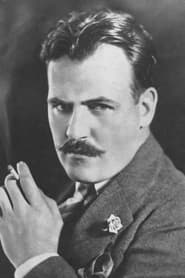
- Walter McGrail, who plays Ramón, was a popular leading man in silent films but never achieved major stardom
- The film's themes of class differences and arranged marriage reflected social concerns of the 1920s
Visual style
The cinematography of 'Suzanna' employed the visual techniques common to high-quality silent dramas of the early 1920s. The film featured soft focus lighting for romantic scenes, dramatic high and low angles to emphasize emotional moments, and carefully composed shots that highlighted the Spanish colonial architecture and landscape. The camera work likely included the use of irising techniques to frame important moments and dissolves for scene transitions, both standard practices of the era. The surviving footage shows attention to visual storytelling, with the cinematography supporting the emotional narrative through careful framing and lighting choices that enhanced the romantic and dramatic elements of the story.
Innovations
While 'Suzanna' did not introduce groundbreaking technical innovations, it demonstrated the high production values becoming standard in feature films by 1923. The film utilized the latest camera and lighting equipment available to the Mack Sennett studio, including artificial lighting techniques that allowed for more controlled and dramatic illumination than earlier films. The production likely employed multiple camera setups for important scenes, a practice that was becoming more common but still represented a significant technical and financial investment. The film's surviving footage shows competent use of focus pulling and camera movement techniques that had been perfected in the early 1920s.
Music
As a silent film, 'Suzanna' would have been accompanied by live musical performance during its original theatrical run. The score would have been compiled from various classical pieces and popular songs of the era, with selections chosen to match the emotional tone of each scene. Romantic scenes would have featured sweeping string arrangements, while dramatic moments might have used more percussive or dissonant music. Theaters showing the film would have received cue sheets from the distributor indicating suggested musical pieces for different scenes. No original composed score for the film is known to exist, and modern screenings would typically use newly compiled period-appropriate music.
Famous quotes
I would rather die than marry without love!" (intertitle)
Love knows no boundaries of birth or station" (intertitle)
You are not the peon's daughter they believe you to be" (intertitle)
Memorable scenes
- The dramatic altar scene where Ramón interrupts Suzanna's wedding to Pancho, seizing her from the ceremony in a bold declaration of love that defies social conventions and arranged marriage traditions.
What audiences thought
Audience reception to 'Suzanna' in 1923 appears to have been moderate, with the film performing adequately at the box office but not achieving blockbuster status. Mabel Normand's established fan base from her comedy years likely provided initial interest, though some audiences may have been surprised by the serious tone. The romantic elements and dramatic plot twists were typical of what silent film audiences expected from melodramas of the period. The film's themes of love conquering social barriers resonated with contemporary moviegoers, though the incomplete nature of surviving prints makes it difficult to assess the full scope of its original impact on audiences.
Film connections
Influenced by
- The influence of Spanish zarzuela operettas
- Traditional Mexican folk tales
- Shakespearean themes of mistaken identity
- The romantic melodramas of D.W. Griffith
This film influenced
- The romantic Mexican-set films of the late 1920s
- Later films featuring wedding interruption scenes
- Silent era melodramas with class conflict themes
Film restoration
The film survives in an incomplete 35mm print that is missing several reels. While the surviving footage is of good visual quality, approximately 30-40% of the original film appears to be lost. The print has been preserved through film archives and has been made available for study and screening by film historians and silent film enthusiasts. The incomplete nature of the surviving print makes it difficult to fully appreciate the film as originally intended, but it remains an important artifact of silent cinema history and Mabel Normand's dramatic work.
Where to watch
- The film is occasionally screened at silent film festivals and special archival presentations
- Some film archives and museums may have access to the surviving print for research purposes
- Limited availability through specialized silent film distribution companies
- May be included in curated collections of Mabel Normand's work