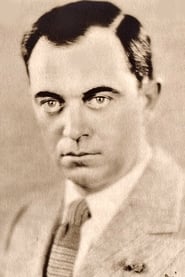
George Cooper
Actor
Born: December 12, 1892 in Newark, New Jersey, USA Died: December 28, 1943 Active: 1911-1940
Films
6 films
About George Cooper
Prolific American character actor: the silent era and early sound period of Hollywood. Born in Newark, New Jersey in 1892, he entered the film industry during its formative years and appeared in over 100 films throughout his three-decade career. Cooper was particularly active during the 1920s, appearing in numerous silent comedies, dramas, and adventure films, often playing reliable supporting roles alongside the era's biggest stars. He successfully made the challenging transition from silent films to talkies in the late 1920s, demonstrating his adaptability as the industry underwent its most significant technological transformation. While never achieving leading man status, Cooper became known as a dependable character actor who could convincingly portray a wide range of personalities, from comic sidekicks to dramatic supporting characters. His career trajectory exemplified the journey of many working actors of early Hollywood who provided essential support to the productions of their era. Cooper continued working through the 1930s, though his roles became smaller as the studio system evolved, until his death in 1943 at age 51.
The Craft
On Screen
George Cooper was known for his naturalistic and versatile acting style that adapted well to both silent and sound films. In silent cinema, he utilized expressive physical comedy and clear facial expressions to convey emotion and character, a skill that proved valuable as he transitioned to talkies. His performances were characterized by their authenticity and lack of theatrical excess, making him a believable presence in whatever role he undertook. Cooper had a particular talent for comic timing, often serving as an effective foil to leading actors, while also demonstrating dramatic capabilities in more serious roles. His ability to deliver dialogue naturally when sound arrived helped him maintain his career when many silent film actors struggled with the new medium.
Milestones
- Successful transition from silent films to talkies
- Appeared in over 100 films during his career
- Worked with major studios including Universal, Paramount, and MGM
- Established himself as a reliable supporting actor in both comedy and drama
- Maintained steady employment through the Great Depression era
Best Known For
Iconic Roles
Must-See Films
Working Relationships
Worked Often With
Studios
Why They Matter
Impact on Culture
George Cooper contributed to the fabric of early Hollywood cinema as part of the essential supporting cast that gave silent and early sound films their depth and texture. While never a star, his work helped establish the importance of character actors in creating believable cinematic worlds. His successful transition from silent to sound films demonstrated the adaptability required of actors during this revolutionary period in cinema history. Cooper's active years covered the transformation of Hollywood from its experimental beginnings to the establishment of the studio system, making him a witness to and participant in cinema's most formative decades. His performances, though not widely remembered today, were part of the foundation upon which classic Hollywood was built.
Lasting Legacy
George Cooper's legacy lies in his representation of the working character actor who formed the backbone of early Hollywood cinema. His career exemplifies the journey of countless performers who provided essential support to the stars while maintaining professional dignity and artistic integrity. The fact that he successfully navigated the transition from silent films to talkies, and maintained employment through the economic challenges of the 1930s, speaks to his skill and adaptability. While his name may not be widely recognized today, his contributions to over 100 films helped shape the landscape of American cinema during its most crucial developmental years. Cooper's career shows the importance of supporting actors in creating the rich, detailed worlds that classic cinema is celebrated for.
Who They Inspired
As a character actor rather than a star, George Cooper's influence was primarily through his work ethic and the example he set for other supporting actors in early Hollywood. His ability to adapt to changing technologies and industry conditions demonstrated the resilience required for long-term success in the film business. Cooper's naturalistic acting style, particularly his smooth transition to sound films, may have influenced other actors facing similar challenges. His consistent employment across multiple studios showed the value of versatility and reliability in an industry that increasingly favored specialization. While he may not have directly mentored future stars, his professional approach and adaptability served as an informal model for other character actors seeking to build sustainable careers in the evolving film industry.
Off Screen
George Cooper led a relatively private life away from the Hollywood spotlight, with limited public information available about his personal affairs. Like many character actors of his era, he focused primarily on his craft and maintaining steady employment in the competitive film industry. His dedication to his work and ability to adapt to changing industry conditions helped sustain his career through multiple transitions in Hollywood. Cooper's life reflected the typical journey of working actors during the golden age of cinema, characterized by professionalism and adaptability rather than celebrity glamour.
Education
No formal education information available from historical records
Did You Know?
- Appeared in over 100 films during his 29-year career
- Successfully transitioned from silent films to talkies, a feat many contemporaries failed to achieve
- Born in Newark, New Jersey, a city that produced many early Hollywood actors
- His active years covered the entire transition period from silent cinema to established sound films
- Worked during the Great Depression, a period when many character actors struggled to find work
- Often played supporting roles rather than leading parts, typical of many actors of his generation
- His filmography includes both comedies and dramas, showing his versatility as an actor
- Died just after his 51st birthday in 1943, during the height of World War II
- His career began in 1911, during the very early days of American cinema
- Like many actors of his era, he worked with multiple studios rather than being tied to one contract
Frequently Asked Questions
Who was George Cooper?
American character with credits in this catalog. He was known for his reliable supporting roles in both comedies and dramas, successfully transitioning from silent films to talkies.
What films is George Cooper best known for?
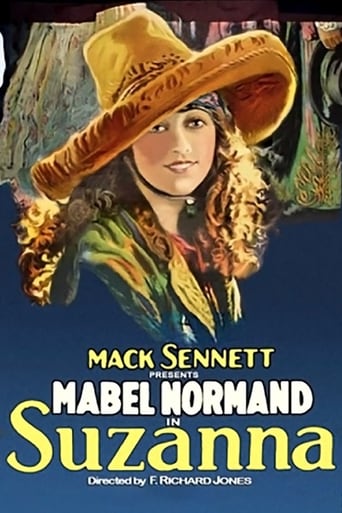
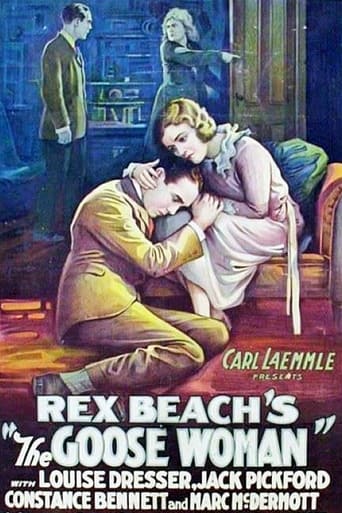
Titles linked here include The Goose Woman (1925), Suzanna (1923).
When was George Cooper born and when did he die?
Born December 12, 1892; died December 28, 1943.
What awards did George Cooper win?
George Cooper did not receive any major awards or nominations during his career, which was common for character actors of his era who often worked without formal recognition despite their significant contributions to films.
What was George Cooper's acting style?
George Cooper was known for his naturalistic and versatile acting style, characterized by expressive physical comedy in silent films and authentic dialogue delivery in talkies. He was particularly valued for his adaptability and ability to play various character types convincingly.