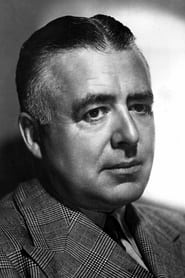
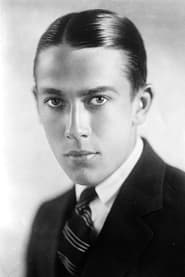
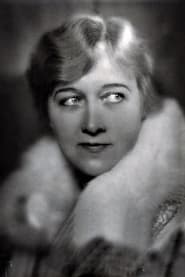
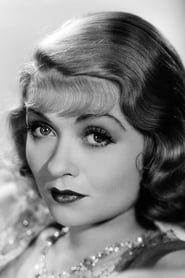

The Goose Woman
"She lied to hear applause again"
Keys: Space play/pause · ←/→ 10s · F fullscreen · M mute · </> speed
About this film
Former opera star Mary Holmes, ruined by drink, fabricates witness testimony in a murder case to regain publicity, endangering her son. Louise Dresser stars in a newspaper-age tragedy of fame and false confession.
Cast & crew
More films like this
More Drama films
View all →







More from Clarence Brown
View all →


More about this film
About the production
Release dateNovember 15, 1925
Box officeUnknown
ProductionUniversal Pictures
Filmed inUniversal Studios, Universal City, California
The film was shot during the transition period of Universal Pictures from smaller productions to more prestigious features. Clarence Brown was given creative freedom by Universal's production head Irving Thalberg, who recognized Brown's talent for character-driven storytelling. The production utilized real railway locations to enhance the authentic working-class atmosphere of the Holmes family's living conditions.
Themes
Maternal sacrificeRedemptionAlcoholism and addictionThe destructive nature of fameMedia manipulation
Themes & topics
opera singeralcoholismmurderfalse accusationmother-son relationshipredemptioncourtroom dramapovertyfamesacrifice
Historical background
The Goose Woman (1925) adapts a scandal-inspired story as tabloid culture boomed in Jazz Age America.
Why this film matters
The 'pig woman' case reference linked cinema to true-crime media feeding 1920s audiences.
Making of
Director Clarence Brown worked closely with Louise Dresser to develop her character's alcoholic mannerisms, spending time observing real people struggling with addiction in Los Angeles. The production faced challenges creating realistic withdrawal scenes without being able to show explicit content due to censorship codes of the era. Jack Pickford's own struggles with alcoholism created tension on set, though it ultimately contributed to the authentic mother-son dynamic. The railway sequences were filmed on location at actual train yards, requiring careful coordination with railway companies and creating hazardous working conditions for the cast and crew. The film's courtroom scenes were meticulously researched to accurately reflect legal proceedings of the 1920s, with the production consulting real attorneys to ensure authenticity.
What critics said
Critics admired Dresser; the film survives as a sharp media-cynicism melodrama.
Did you know?
- Louise Dresser's performance as the alcoholic former opera singer was considered groundbreaking for its realistic portrayal of addiction in silent cinema.
- Jack Pickford, who played the son, was the younger brother of America's Sweetheart Mary Pickford and had his own troubled history with alcoholism in real life.
- Director Clarence Brown considered the production one of his early breakthrough works that helped establish his reputation in Hollywood.
- The film's title 'The Goose Woman' refers to the protagonist's nickname from her opera days, derived from her unique vocal quality that was compared to a goose's call.
- Constance Bennett, who played the sweetheart, would later become one of Hollywood's highest-paid stars in the 1930s.
- The murder mystery subplot was based on a real criminal case that had been widely reported in newspapers during the early 1920s.
- The film was one of the first to explore the psychological effects of fame and its aftermath in a serious dramatic context.
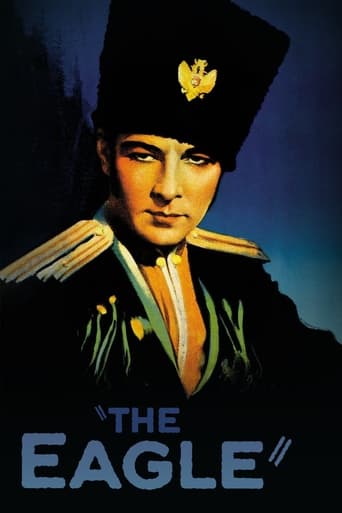
- Universal Pictures promoted the film heavily, recognizing Louise Dresser's growing star power after her success in 'The Eagle' (1925).
- The production used actual opera costumes and props from Universal's wardrobe department to create authentic flashback sequences.
- The film's success led to Louise Dresser receiving a contract increase and more leading roles at Universal.
Awards & recognition
- No major awards recorded for the production
Visual style
The cinematography by Charles J. Stumar utilized dramatic lighting to contrast the protagonist's glamorous past with her squalid present. Flashback sequences to the opera house employed soft focus and elaborate lighting techniques to create a dreamlike quality, while present-day scenes used harsher, more realistic lighting to emphasize the character's degradation. The railway sequences featured innovative camera movements and compositions that emphasized the isolation and poverty of the characters' living conditions. Stumar's work on the film demonstrated the growing sophistication of silent film cinematography in creating emotional atmosphere through visual means.
Innovations
The Goose Woman employed innovative editing techniques to seamlessly transition between past and present, using dissolves and superimpositions to convey the protagonist's memories. The production utilized location filming at actual railway yards to enhance authenticity, a practice that was still relatively uncommon in 1925. The film's makeup effects, particularly Louise Dresser's transformation from glamorous opera singer to impoverished alcoholic, were considered technically advanced for the period. The courtroom sequences featured complex multi-camera setups that allowed for dynamic coverage of the dramatic trial scenes.
Music
As a silent film, The Goose Woman was accompanied by live musical performances during its original theatrical run. Universal Pictures provided theater orchestras with a compiled score featuring classical pieces and original compositions by studio musicians. The music emphasized the dramatic contrast between the protagonist's operatic past and her current struggles, with selections from Verdi and other opera composers used during flashback sequences. The score's emotional intensity during courtroom scenes heightened the film's suspense and contributed to its powerful impact on contemporary audiences.
Famous quotes
I was once called the Goose Woman... now I'm just a woman who's lost everything
My voice was my life... until I gave it for my son
The truth is the only thing that can save him now
Fame is a cruel mistress who takes more than she gives
Memorable scenes
- The dramatic courtroom confession where Louise Dresser's character breaks down and reveals the truth to save her son
- The flashback sequence showing the protagonist's operatic glory days, contrasted with her current squalid living conditions
- The emotional reunion between mother and son after his exoneration, showcasing their renewed bond
What audiences thought
The Goose Woman performed moderately well at the box office, particularly in urban areas where audiences appreciated its sophisticated themes. Louise Dresser's popularity among female audiences helped drive attendance, with many viewers responding emotionally to the mother-son storyline. The film's murder mystery elements attracted male audiences, making it a rare crossover success for a domestic drama of its era. Audience letters published in trade papers revealed that many viewers connected personally with the themes of redemption and familial sacrifice, considering it one of the more emotionally resonant films of 1925.
Film connections
Influenced by
- The influence of German expressionist cinema can be seen in the film's dramatic lighting and psychological depth
- Earlier melodramas by D.W. Griffith influenced the emotional storytelling approach
This film influenced
- The film's exploration of maternal sacrifice influenced later Hollywood melodramas including 'Stella Dallas' (1937)
- Clarence Brown's later films like 'Anna Christie' (1930) show similar psychological character development
Film restoration
The Goose Woman is preserved in the Universal Pictures archives and has been restored by the UCLA Film and Television Archive. A 35mm print exists in the Library of Congress collection. The film has been made available through various archival screenings and special presentations, though it remains largely unseen by general audiences. Restoration efforts have preserved the original tints used in the flashback sequences to distinguish them from present-day scenes.
Where to watch
- The film is occasionally screened at silent film festivals and archival cinematheques
- Some film archives offer access for research purposes
- Rare 16mm prints circulate among private collectors
- Not currently available on commercial streaming platforms or home video