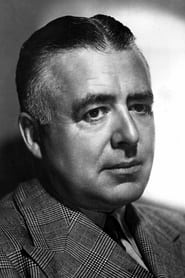
Clarence Brown
Director
Born: May 10, 1890 in Clinton, Massachusetts, USA Died: August 17, 1987 Active: 1920-1957
Films
7 films




About Clarence Brown
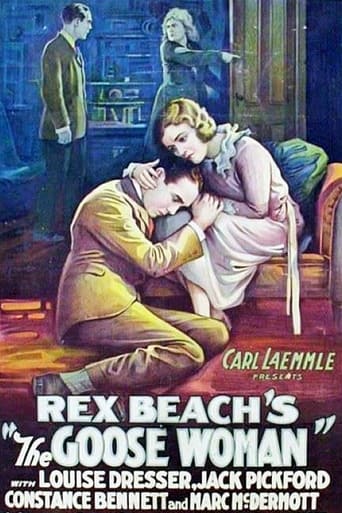
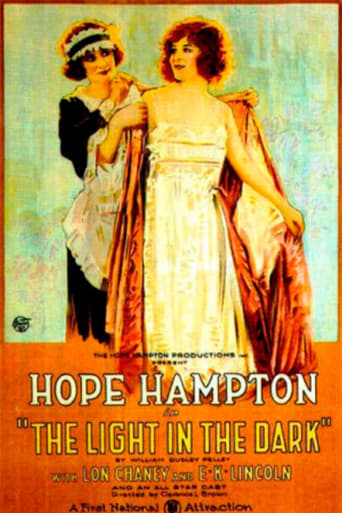
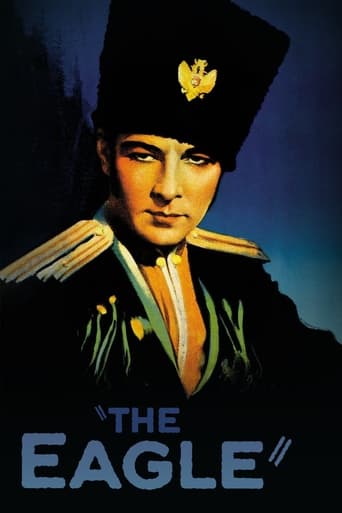
Clarence Brown was born on May 10, 1890, in Clinton, Massachusetts, and became respected and successful directors during Hollywood's Golden Age. He began his career in the film industry as an assistant to Maurice Tourneur before becoming a director in his own right in the early 1920s. Brown's from the silent era through the 1950s, during which he directed numerous acclaimed films and worked with some of the biggest stars of the time. He was particularly known for his collaborations with Greta Garbo, directing her in several of her most celebrated films including 'Flesh and the Devil' and 'A Woman of Affairs.' Brown was nominated for the Academy Award for Best Director five times and was renowned for his technical expertise and his ability to elicit powerful performances from his actors. He successfully transitioned from silent films to talkies and continued directing successfully through the 1940s and 1950s before retiring from filmmaking. Brown passed away on August 17, 1987, in Santa Monica, California, leaving behind a as one of Hollywood's most accomplished directors.
The Craft
Behind the Camera
Known for his technical proficiency, elegant visual style, ability to work across genres, and skill in eliciting strong performances from actors. Brown was meticulous in his preparation, often creating detailed storyboards, while allowing actors creative freedom within his controlled vision.
Milestones
- Directed Greta Garbo in multiple acclaimed films
- Received 5 Academy Award nominations for Best Director
- Successfully transitioned from silent films to talkies
- Directed over 50 films across multiple genres
- Received an Honorary Academy Award in 1948
- Directed Elizabeth Taylor in her breakthrough role
Best Known For
Must-See Films
Accolades
Won
- Academy Honorary Award (1948)
- New York Film Critics Circle Award for Best Director (1944)
Nominated
- Academy Award for Best Director - Anna Christie (1929/30)
- Academy Award for Best Director - A Free Soul (1930/31)
- Academy Award for Best Director - The Gorgeous Hussy (1936)
- Academy Award for Best Director - The Human Comedy (1943)
- Academy Award for Best Director - National Velvet (1945)
Special Recognition
- Hollywood Walk of Fame star
- Honorary Academy Award for service to the motion picture industry
Working Relationships
Worked Often With
Studios
Why They Matter
Impact on Culture
Clarence Brown was instrumental in establishing the sophisticated visual style of Hollywood's Golden Age, particularly at MGM. His films helped define the glamour and emotional intensity of classic Hollywood cinema, elevating the melodrama genre and bringing technical polish to romantic dramas. Brown's work with Greta Garbo was crucial in establishing her as one of cinema's greatest icons, and his films often addressed social issues with subtlety and depth, contributing to the evolution of American cinema's artistic ambitions.
Lasting Legacy
Considered. His ability to successfully transition from silent films to talkies while maintaining his artistic integrity set a standard for studio directors. Despite never winning a competitive Academy Award despite five nominations, his body of work represents some of the finest examples of classical Hollywood filmmaking, with films like 'Grand Hotel' and 'National Velvet' remaining cultural touchstones.
Who They Inspired
Brown's technical innovations in lighting and camera movement influenced subsequent generations of filmmakers. His ability to work successfully across genres while maintaining a consistent visual style set a standard for studio directors. Many directors who followed studied his methods of balancing technical precision with emotional storytelling, particularly his skill in directing actors to give nuanced, powerful performances within the constraints of the studio system.
Off Screen
Brown married actress Alice Joyce in 1933, but they divorced in 1945. He then married actress Ona Munson the same year, but this marriage also ended in divorce in 1955. He had no children. Before entering the film industry, Brown studied engineering at the University of Tennessee and served as a pilot in World War I. He was known as a private individual who rarely gave interviews despite his success in Hollywood.
Education
University of Tennessee (studied engineering)
Family
- Alice Joyce (1933-1945)
- Ona Munson (1945-1955)
Did You Know?
- Studied engineering at the University of Tennessee before entering films
- Served as a pilot in World War I before pursuing his film career
- One of the few directors who successfully transitioned from silent films to talkies without losing his standing
- Despite receiving five Best Director nominations, he never won a competitive Academy Award
- Known for his meticulous preparation and often created detailed storyboards for his films
- Respected by actors for giving them creative freedom while maintaining control of the overall vision
- Directed Elizabeth Taylor in 'National Velvet' when she was just 12 years old
- One of the highest-paid directors in Hollywood during his peak years
- Known for his efficiency, often completing films under budget and ahead of schedule
- Retired from directing in 1957 but lived another 30 years
In Their Own Words
The director's job is to create an atmosphere in which the actors can do their best work.
I don't believe in stars; I believe in good performances.
The camera should be invisible; the story should be everything.
A film is not complete until the audience has seen it and made it their own.
Frequently Asked Questions
Who was Clarence Brown?
Highly respected American on YTB.my. He directed many of the era's biggest stars and received five Academy Award nominations for Best Director.
What films is Clarence Brown best known for?
Titles linked here include Flesh and the Devil (1926), A Woman of Affairs (1928).
When was Clarence Brown born and when did he die?
Born May 10, 1890; died August 17, 1987.
What awards did Clarence Brown win?
Despite five Academy Award nominations for Best Director, Brown never won a competitive Oscar. He did receive an Honorary Academy Award in 1948 for his service to the motion picture industry and won the New York Film Critics Circle Award for Best Director in 1944.
What was Clarence Brown's directing style?
Brown was known for his technical proficiency, elegant visual style, and ability to work across multiple genres. He was meticulous in preparation but allowed actors creative freedom, creating films that combined technical polish with emotional depth and powerful performances.