
Marc McDermott
Actor
Born: July 29, 1871 in Melbourne, Victoria, Australia Died: January 5, 1929 Active: 1909-1929 Birth Name: Marcus McDermott
Films
10 films



About Marc McDermott
Australian-born American actor who became a prominent character actor during the silent film era. Born in Melbourne in 1871, he began his career on the stage before transitioning to motion pictures in the early 1900s. McDermott joined Biograph Studios where he worked under the direction of D.W. Griffith, appearing in numerous short films between 1909 and 1912. He developed a reputation for his distinctive appearance, characterized by his bald head and stern demeanor, which made him ideal for authority figures, villains, and stern patriarchs. Throughout his career, he appeared in over 200 films, though many of his early works have been lost to time. McDermott worked with major stars of the era including Lon Chaney, Mary Pickford, and Douglas Fairbanks. His the entire silent era until his untimely death in 1929, just as the transition to sound films was beginning.
The Craft
On Screen
McDermott was known for his commanding screen presence and distinctive appearance, which made him perfect for authority figures, stern patriarchs, and villainous roles. His acting style was typical of the silent era, emphasizing exaggerated facial expressions and gestures to convey emotion without dialogue. He had a particular talent for conveying authority and menace through his intense gaze and rigid posture. McDermott's bald head and sharp features made him instantly recognizable to audiences of the time, and he often played judges, aristocrats, military officers, and other figures of authority.
Milestones
- Early work with D.W. Griffith at Biograph Studios
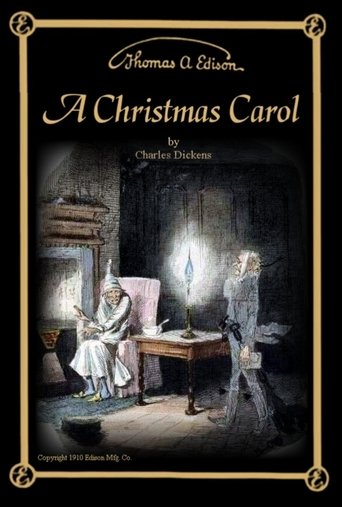
- Appearing in the first film adaptation of A Christmas Carol (1910)
- Supporting role in He Who Gets Slapped (1924) with Lon Chaney
- Character roles in major silent productions throughout the 1920s
- Appearing in over 200 films during his 20-year career
Best Known For
Iconic Roles
Must-See Films
Accolades
Special Recognition
- Star on the Hollywood Walk of Fame (posthumous)
Working Relationships
Worked Often With
Studios
Why They Matter
Impact on Culture
Marc McDermott represented the transition from stage acting to film acting during the early days of cinema. His work with D.W. Griffith at Biograph placed him at the forefront of developing film acting techniques that would become standard in the industry. As one of the first actors to portray Ebenezer Scrooge on film, he helped establish how literary characters could be adapted to the new medium of cinema. McDermott's distinctive appearance and authoritative presence made him a recognizable face to silent film audiences, contributing to the star system that was developing during this period.
Lasting Legacy
Though many of Marc McDermott's films have been lost, his surviving work provides valuable insight into the development of film acting during the silent era. His portrayal of Ebenezer Scrooge in the 1910 adaptation of A Christmas Carol represents one of the earliest cinematic interpretations of this classic character. McDermott's career trajectory from stage to film mirrors the broader evolution of entertainment in the early 20th century. His extensive filmography, though partially lost, demonstrates the prolific nature of film production during the silent era and the demand for reliable character actors who could bring depth to supporting roles.
Who They Inspired
McDermott influenced the development of character acting in silent films, demonstrating how distinctive physical characteristics could be leveraged for typecasting in specific roles. His work with D.W. Griffith contributed to the evolution of film acting techniques that moved away from theatricality toward more subtle, camera-appropriate performances. While not as famous as leading men of his era, McDermott's consistent presence in supporting roles helped establish the importance of character actors in film storytelling, a tradition that continues in cinema today.
Off Screen
Marc McDermott married fellow actress Miriam Nesbitt in 1912, and the couple often appeared together in films. Nesbitt was also a prominent actress in silent films, particularly at Biograph Studios. McDermott was known as a private individual who kept his personal life largely out of the public eye, which was somewhat unusual for actors of his era. He was described by colleagues as a dedicated professional who took his craft seriously. McDermott became a naturalized American citizen during his years in Hollywood.
Education
Limited information available, but likely received formal education in Melbourne, Australia before pursuing acting
Family
- Miriam Nesbitt (1912-1929)
Did You Know?
- Born in Melbourne, Australia, making him one of the few Australian actors to achieve prominence in early Hollywood
- Appeared in the first known film adaptation of Charles Dickens' A Christmas Carol in 1910
- Worked with director D.W. Griffith at Biograph Studios during the company's most innovative period
- Married actress Miriam Nesbitt, with whom he frequently co-starred
- Appeared in over 200 films during his career, though many are now lost
- His bald head and stern features made him
- Died in 1929, just as the film industry was transitioning from silent to sound pictures
- Often played authority figures, villains, and stern patriarchs due to his imposing screen presence
- Was a naturalized American citizen, having immigrated from Australia
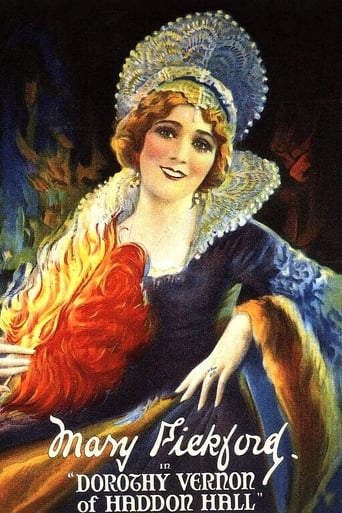
- Worked with many of the biggest stars of the silent era including Lon Chaney, Mary Pickford, and Douglas Fairbanks
Frequently Asked Questions
Who was Marc McDermott?
Australian-born American with credits in this catalog. He appeared in over 200 films and was known for his distinctive appearance, often playing authority figures and villains. He worked with director D.W. Griffith at Biograph Studios and appeared in some of the most significant silent films of the era.
What films is Marc McDermott best known for?
Titles linked here include A Christmas Carol (1910), He Who Gets Slapped (1924).
When was Marc McDermott born and when did he die?
Born July 29, 1871; died January 5, 1929.
What awards did Marc McDermott win?
During Marc McDermott's career, the Academy Awards had not yet been established, and formal acting awards were uncommon in the silent era. He received posthumous recognition with a star on the Hollywood Walk of Fame honoring his contributions to film. His legacy is primarily preserved through his extensive filmography rather than formal awards.
What was Marc McDermott's acting style?
McDermott's acting style was typical of the silent era, emphasizing exaggerated facial expressions and gestures to convey emotion without dialogue. He was known for his commanding screen presence and distinctive appearance, which made him perfect for authority figures, stern patriarchs, and villainous roles. His bald head and sharp features made him instantly recognizable to audiences of the time.