



The Temptress
"Shadows of pursue"
Keys: Space play/pause · ←/→ 10s · F fullscreen · M mute · </> speed
About this film
A seductive woman forsakes her husband and lover to pursue a young engineer.
Cast & crew
More films like this


More Romance films
View all →




More from Fred Niblo
View all →
More about this film
About the production
Release dateOctober 10, 1926
Budget$379,000
Box officeThe film was a commercial disappointment despite Garbo's growing popularity, earning approximately $500,000 domestically against its substantial budget
ProductionMetro-Goldwyn-Mayer (MGM)
Filmed inHollywood, California, Culver City, California, Argentina (stock footage)
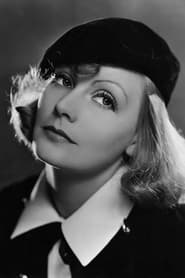
This was Greta Garbo's second American film and her first starring role for MGM. The production was troubled from the start, with director Fred Niblo often clashing with Garbo over her interpretation of the character. The film featured elaborate sets designed by Cedric Gibbons to recreate Parisian and Argentinean locales. The famous tango sequence was choreographed specifically to showcase Garbo's mysterious and exotic appeal to American audiences.
Themes
Seduction and destructive desireThe corrupting influence of wealth and privilegeFemale sexuality and powerThe impossibility of redemptionCultural displacement and identity
Themes & topics
femme fataleseductionbetrayaldoomed romancewealthmanipulationtangoParisArgentinaengineerbankerlove trianglemoral decaysocial climbingemotional destruction
Historical background
Made in its country of production around 1926, The Temptress belongs to the late silent period. Its story of a seductive woman forsakes her husband and lover to pursue a young engineer spoke to audiences of the day through familiar genres and topical settings.
Why this film matters
Archivists and historians still cite The Temptress when tracing how the late silent period filmmakers staged seductive and forsakes on screen.
Making of
The production of 'The Temptress' was marked by tension and artistic disagreements. Director Fred Niblo, who had just come off the success of 'Ben-Hur,' struggled with Garbo's intuitive acting style and her tendency to underplay emotions rather than use the exaggerated expressions common in silent films. Garbo, who was still learning English, often relied on her Swedish-speaking friend and director Mauritz Stiller for guidance. The famous tango sequence required extensive rehearsal, as neither Garbo nor Moreno were experienced dancers. The production design was particularly ambitious, with MGM investing heavily in recreating both Parisian boulevards and Argentinean landscapes on their backlot. Cinematographer William H. Daniels, who would become Garbo's preferred cameraman, began developing the lighting techniques that would create her screen presence, using soft focus and careful backlighting to enhance her mysterious aura.
What critics said
Reviews from 1926 weighed The Temptress on pacing, performance, and novelty. Later criticism reads its emphasis on seductive, forsakes, husband through modern standards of craft and representation.
Did you know?
- This was Greta Garbo's second Hollywood film and established her 'femme fatale' persona that would define much of her career
- The film was based on the novel 'La Femme et le Pantin' by Pierre Louÿs, which had previously been adapted in 1918
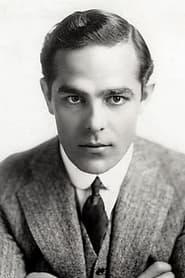
- Antonio Moreno was reportedly so intimidated by working with Garbo that he had difficulty delivering his lines naturally
- The original cut was approximately 120 minutes, but was shortened after poor test screenings
- Garbo's salary for was $600 per week, a substantial amount for the time
- The famous tango scene was considered scandalous for its time due to its suggestive nature and the chemistry between Garbo and Moreno
- MGM marketed the film heavily around Garbo's mysterious persona, using the tagline 'The Woman Who Destroyed All Who Loved Her!'
- The film's disappointing performance led MGM to reconsider Garbo's casting, but they continued to invest in her development as a star
- Costume designer Adrian created over 30 costume changes for Garbo, establishing her signature sophisticated style
- The film's failure was partly attributed to its dark, pessimistic tone which didn't resonate with audiences of the Roaring Twenties
Visual style
The cinematography of 'The Temptress' was handled by William H. Daniels, who would become Greta Garbo's most trusted cameraman and shoot many of her greatest films. Daniels employed innovative lighting techniques that would become hallmarks of the Garbo aesthetic, using soft focus and careful backlighting to create an ethereal glow around her face. The film features dramatic use of shadow and light, particularly in the tango sequence where silhouettes and partial lighting enhance the scene's sensual atmosphere. Daniels utilized the latest camera equipment of the time, including the Bell & Howell 2709 camera, to achieve smooth tracking shots and dynamic camera movements that added visual sophistication to the storytelling. The Parisian exteriors were shot using process photography and matte paintings to create convincing urban environments, while the Argentinean sequences used a combination of location footage and studio sets. The film's visual style reflects the transition from the flat lighting of early silent films to the more dramatic, expressionistic lighting that would characterize late silent cinema and early sound films.
Innovations
The Temptress showcased several technical achievements that were noteworthy for 1926. The film employed advanced matte painting techniques to create convincing European and South American settings without leaving the studio. The production utilized the new Technicolor process for certain sequences, though most of the film was shot in black and white. The elaborate costume changes for Garbo required innovative quick-change techniques to maintain filming efficiency. The film's tango sequence featured complex choreography and camera movements that required precise synchronization between performers and camera operators. MGM's makeup department developed new techniques for creating Garbo's distinctive look, including specialized lighting preparations that worked with her skin tone. The film also demonstrated advances in set construction, with some of the most detailed and realistic interior sets of the period. These technical elements combined to create a production value that was among the highest of its time, reflecting MGM's commitment to presenting Garbo in the most sophisticated manner possible.
Music
As a silent film, 'The Temptress' was originally presented with musical accompaniment that varied by theater. The score was typically compiled from classical pieces and popular music of the era, with theater organists or small orchestras providing live accompaniment. For its premiere at the Capitol Theatre in New York, MGM commissioned a special orchestral score that included pieces by composers such as Debussy and Ravel to enhance the film's sophisticated European atmosphere. The famous tango sequence was accompanied by authentic Argentinean tango music, which was relatively exotic to American audiences of the time. Modern restorations of the film have featured newly composed scores by silent film specialists, with the 2005 restoration featuring a score by Robert Israel that incorporates period-appropriate music while maintaining the film's dramatic tension. The absence of dialogue heightened the importance of musical cues in conveying emotion and advancing the narrative, making the musical accompaniment an integral part of the original viewing experience.
Famous quotes
I have learned that it is dangerous to be beautiful" - Elena
Love is a weakness I cannot afford" - Elena
You have destroyed everything you have touched" - Robledo to Elena
In Paris, one learns to be cruel gracefully" - Elena
I am what men have made me" - Elena
Your heart is a desert" - Robledo to Elena
Beauty is a weapon that eventually turns against its owner" - Elena
I loved you, and that was my greatest mistake" - Robledo
Memorable scenes
- The tango sequence where Elena first seduces Robledo with her passionate dancing and magnetic gaze, creating an atmosphere of sensual tension and inevitable doom
- The confrontation scene in the Argentinean mansion where Robledo discovers Elena's betrayal of both his brother and best friend, leading to a dramatic emotional breakdown
- Elena's final scene alone in her Paris apartment, surrounded by luxury but utterly desolate, realizing the emptiness of her life choices
- The opening ballroom scene where Elena's beauty and dangerous allure are established through her interactions with multiple admirers
- The train journey where Elena follows Robledo to Argentina, showcasing her obsessive determination and foreshadowing the tragedy to come
What audiences thought
Audience reception to 'The Temptress' was generally disappointing, particularly given the growing anticipation for Garbo's follow-up to her successful American debut. While Garbo's fan base continued to grow, many viewers found the film's dark tone and unsympathetic protagonist off-putting. The film performed poorly in smaller cities and rural areas where its European sophistication and moral complexity didn't resonate with mainstream audiences. However, in major urban centers, particularly New York and Los Angeles, the film found more appreciative viewers who were drawn to Garbo's exotic appeal and the film's stylish production values. The disappointing box office performance led MGM to reconsider their approach to showcasing Garbo, resulting in more carefully crafted vehicles for her subsequent films. Despite its initial commercial failure, the film contributed to building Garbo's mystique and reputation as an enigmatic, unattainable star, which ironically enhanced her long-term appeal to audiences.
Film connections
Influenced by
- La Femme et le Pantin (1918 film adaptation)
- European melodramatic tradition
- German Expressionist cinema
- Hollywood star vehicle formula
- Pierre Louÿs' novel 'La Femme et le Pantin'
- Contemporary fascination with psychoanalysis
- The 'vamp' character archetype from earlier silent cinema
This film influenced
- Flesh and the Devil (1926)
- Love (1927)
- A Woman of Affairs (1928)
- The Kiss (1929)
- Anna Christie (1930)
- Mata Hari (1931)
- Grand Hotel (1932)
- Queen Christina (1933)
- Camille (1936)
- Ninotchka (1939)
Film restoration
The Temptress survives in an incomplete form, with several reels missing from the original cut. Approximately 75% of the film exists, with missing portions reconstructed using production stills and title cards. The film was preserved by the MGM library and later transferred to the Turner Entertainment Company. A restored version was released in 2005 by Warner Bros., featuring a new musical score and reconstructed sequences using available materials. The surviving elements show varying degrees of deterioration, with some scenes showing significant wear and tear. The film is part of the permanent collection at the Library of Congress and has been designated as culturally significant, ensuring its continued preservation for future generations.
Where to watch
- The Criterion Channel (streaming)
- Warner Archive Collection (DVD/Blu-ray)
- Turner Classic Movies (occasional broadcast)
- The Museum of Modern Art Film Collection (screenings)
- UCLA Film & Television Archive (research viewing)
- Kino Lorber (DVD release)
- MUBI (occasional streaming)
- FilmStruck (archive streaming)
- Various public domain streaming sites (quality varies)
- Film archives and cinematheques (special screenings)