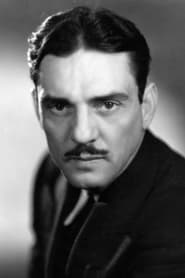
Francis McDonald
Actor
Born: August 22, 1891 in Bowling Green, Kentucky, United States Died: September 18, 1968 Active: 1913-1965
Films
6 films


About Francis McDonald
Prolific American character actor: over five decades, from the silent era through the Golden Age of Hollywood. Born in Kentucky in 1891, he began his film career in the early 1910s, appearing in numerous short films before transitioning to features. McDonald's stern, authoritative appearance made him a natural for villainous roles, though he also played lawmen, military officers, and various authority figures throughout his career. He successfully navigated the transition from silent films to talkies, appearing in over 300 films between 1913 and 1965. His collaborations with directors like John Ford and appearances in classic films such as 'Stagecoach' and 'The Grapes of Wrath' cemented his place in Hollywood history. Despite never achieving leading man status, McDonald's reliability and versatility kept him cast in authority figures from Stagecoach (1939) to The Grapes of Wrath (1940). He continued working steadily through the 1950s and early 1960s, appearing in television westerns and maintaining his reputation as a dependable supporting actor.
The Craft
On Screen
McDonald was known for his stern, authoritative presence and intense, often menacing screen demeanor. He specialized in playing villains, antagonists, and authority figures with a commanding presence that required minimal dialogue to convey threat or power. His acting technique was rooted in the theatrical traditions of the silent era, but he adapted effectively to sound cinema, using his deep voice and imposing stature to create memorable characters. McDonald had a particular talent for conveying complex emotions through subtle facial expressions and body language, making him a favorite among directors for roles requiring gravitas and authenticity.
Milestones
- Appeared in over 300 films during his 52-year career
- Successfully transitioned from silent films to talkies
- Worked with director John Ford on multiple occasions
- Appeared in Academy Award-winning films including 'The Grapes of Wrath' and 'The Best Years of Our Lives'
- Became one of Hollywood's most recognizable character actors
- Maintained steady employment through the transition to television
Best Known For
Iconic Roles
Must-See Films
Accolades
Special Recognition
- Hollywood Walk of Fame star (located at 1712 Vine Street)
Working Relationships
Worked Often With
Studios
Why They Matter
Impact on Culture
Francis McDonald's extensive filmography represents a significant cross-section of American cinema history, particularly the evolution from silent films to sound and the golden age of Hollywood westerns. His ability to consistently deliver compelling performances as both villains and authority figures helped establish the archetype of the American character actor. McDonald's work in John Ford films contributed to the director's iconic vision of the American West, and his presence in socially conscious films like 'The Grapes of Wrath' and 'The Best Years of Our Lives' helped lend authenticity to these important cultural documents. His career longevity demonstrated the importance of versatility and reliability in the studio system, setting a standard for character actors who followed.
Lasting Legacy
Francis McDonald's legacy lies in his contribution to the fabric of American cinema through hundreds of memorable character performances that enriched countless classic films. As. His ability to transition seamlessly from silent films to talkies, and later to television, demonstrated remarkable adaptability that few of his contemporaries matched. McDonald's work continues to be studied by film scholars as an example of how character actors can achieve lasting impact without ever becoming stars, and his performances remain integral to some of the most celebrated films in Hollywood history.
Who They Inspired
McDonald influenced generations of character actors through his demonstration of how to build a lasting career through versatility, reliability, and consistent quality of performance. His approach to creating memorable characters within limited screen time became a model for supporting actors in Hollywood. Younger actors who worked with him often cited his professionalism and dedication as inspirations, and his ability to convey complex emotions with minimal dialogue influenced the evolution of film acting technique. McDonald's success in playing both sympathetic and villainous roles showed character actors the importance of range in maintaining long-term employment in the film industry.
Off Screen
Francis McDonald was married to actress Edna Boulden from 1923 until her death in 1958. Their marriage was considered one of Hollywood's most stable relationships during the golden era. The couple had two children together, a son and a daughter. McDonald was known as a family man who maintained a relatively private personal life despite his long career in the public eye. After his wife's death, he never remarried and devoted his remaining years to his family and continued acting work. He was described by colleagues as a professional and reliable actor who brought the same dedication to his craft whether playing a lead role or a minor character part.
Family
- Edna Boulden (1923-1958)
Did You Know?
- Appeared in over 300 films during his career
- making him one of Hollywood's most prolific actors
- Worked with both Buster Keaton and the Three Stooges during his career
- His stern appearance made him a natural for villainous roles, though he was reportedly a gentle person off-screen
- Received a star on the Hollywood Walk of Fame for his contributions to film
- Continued acting well into his 70s, appearing in television westerns in the 1960s
- Was a favorite of director John Ford, who cast him in multiple films
- Survived the transition from silent films to talkies, a feat many of his contemporaries couldn't achieve
- Often played military officers and authority figures due to his commanding presence
- His final film appearance was in 1965's 'The Sons of Katie Elder'
- Never received major award recognition despite his extensive body of work
In Their Own Words
As a character actor, you learn to make the most of every moment on screen, no matter how brief
Playing the villain isn't about being evil, it's about creating a believable obstacle for the hero
In Hollywood, reliability is as important as talent
The transition to sound was challenging, but it taught us that good acting transcends technology
Working with John Ford was like attending a master class in filmmaking every day
Frequently Asked Questions
Who was Francis McDonald?
Screen credits include over 300 films from 1913 to 1965, working primarily during the silent era and Golden Age of Hollywood. He was known for his stern appearance and frequent casting as villains and authority figures.
What films is Francis McDonald best known for?
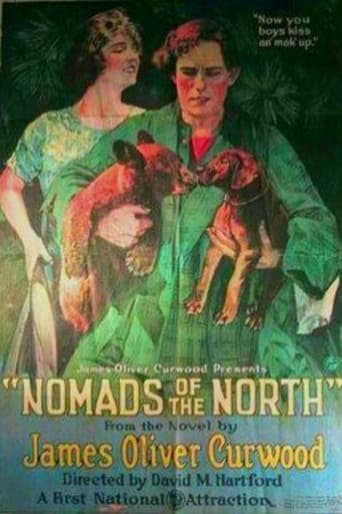
Titles linked here include Nomads of the North (1920), Battling Butler (1926).
When was Francis McDonald born and when did he die?
Born August 22, 1891; died September 18, 1968.
What awards did Francis McDonald win?
Despite his extensive career, Francis McDonald did not receive major film awards, but he was honored with a star on the Hollywood Walk of Fame at 1712 Vine Street for his contributions to cinema.
What was Francis McDonald's acting style?
McDonald was known for his stern, authoritative presence and intense screen demeanor, specializing in villains and authority figures. He brought theatrical gravitas to his roles and excelled at conveying complex emotions through subtle expressions and minimal dialogue.