
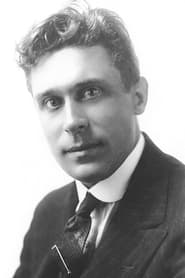
Robert Anderson
Actor
Born: 1892 in United States Died: January 17, 1970 Active: 1926-1928
Films
2 films
About Robert Anderson
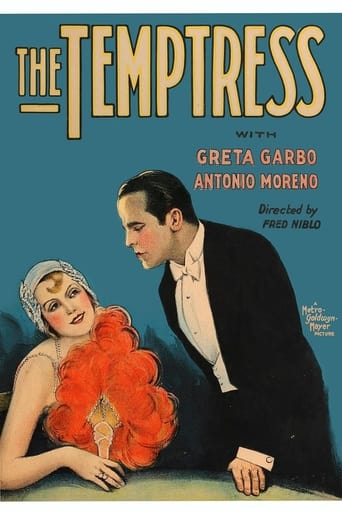
American actor who worked during the transition from the silent era to early sound films. His brief but notable from 1926 to 1928, during which he appeared in several prestigious MGM productions. Anderson secured roles in two significant films of the late silent period: 'The Temptress' (1926) starring the Greta Garbo, and 'White Shadows in the South Seas' (1928), which was notable for its innovative use of synchronized musical scoring. As a character actor, he typically played supporting roles rather than leading parts, which was common for many actors of his generation. His career coincided with the dramatic changes occurring in Hollywood as the industry transitioned from silent films to talkies, a period that proved challenging for many actors. Like many supporting actors of his era, Anderson's film career appears to have been relatively brief, possibly ending as the industry adapted to the new sound technology. His contributions to these significant films of the late silent era, while not widely documented, represent the work of the many talented character actors who helped create Hollywood's golden age.
The Craft
On Screen
As a supporting actor in the silent era, Anderson would have employed the exaggerated physical acting style typical of the period, using facial expressions and body language to convey emotion without dialogue. His performances would have been tailored to the dramatic requirements of silent cinema, where visual storytelling was paramount.
Milestones
- Appeared in 'The Temptress' (1926) with Greta Garbo
- Featured in 'White Shadows in the South Seas' (1928)
- Worked with MGM Studios during the transition to sound
- Participated in two significant late silent era productions
Best Known For
Iconic Roles
Must-See Films
Working Relationships
Worked Often With
Studios
Why They Matter
Impact on Culture
Robert Anderson's contribution to cinema, while not widely documented, represents the collective work of the many talented character actors who formed the backbone of Hollywood's silent era productions. His appearances in two significant MGM films during the late silent period place him within the context of a transformative time in film history. The films he participated in, particularly 'The Temptress' with Greta Garbo and the innovative 'White Shadows in the South Seas,' were important productions that showcased Hollywood's technical and artistic achievements during the silent era's peak.
Lasting Legacy
Robert Anderson's legacy is preserved through his contributions to two notable films from Hollywood's golden silent era. While not a major star, his work exemplifies the essential role that character actors played in creating the classic cinema. His participation in films that have survived and been studied by film historians ensures that his contribution to the art form, however small, remains part of cinema's historical record.
Who They Inspired
As a supporting actor during a brief but significant period in film history, Anderson's direct influence on other performers is not well documented. However, like all actors who worked during the transition from silent to sound films, he was part of a generation that had to adapt their craft to new technologies and audience expectations, setting precedents for future actors facing similar industry transitions.
Off Screen
Robert Anderson lived through the dramatic transition from the silent era to the sound era in Hollywood. Born in 1892, he was part of the generation that witnessed the birth and evolution of cinema. He passed away in 1970, having lived to see television become a dominant medium. Details about his personal life, family, and activities after his film career remain largely undocumented, which is common for many character actors from the silent period.
Did You Know?
- Appeared in 'The Temptress' (1926), one of Greta Garbo's early Hollywood films
- Worked with MGM Studios during their golden period of silent film production
- Participated in 'White Shadows in the South Seas' (1928), which featured an early synchronized musical score
- His career coincided with the final years of the silent era
- Like many character actors of his time, his career was relatively brief
- Both of his known surviving films were major MGM productions
- He was part of Hollywood during one of its most transformative periods
- His work represents the contributions of the many supporting actors essential to silent film production
Frequently Asked Questions
Who was Robert Anderson?
American character He is best known for his supporting roles in 'The Temptress' (1926) and 'White Shadows in the South Seas' (1928).
What films is Robert Anderson best known for?
Titles linked here include The Temptress (1926), White Shadows in the South Seas (1928).
When was Robert Anderson born and when did he die?
Born 1892; died January 17, 1970.
What awards did Robert Anderson win?
There are no documented awards or nominations for Robert Anderson, which was common for many supporting character actors of the silent era whose contributions were often overlooked by contemporary award ceremonies.
What was Robert Anderson's acting style?
As a silent era actor, Anderson would have employed the physical acting style characteristic of the period, using exaggerated facial expressions and body language to convey emotions without dialogue, typical of supporting actors in Hollywood's late silent films.