
White Shadows in the South Seas
"Doctor marooned in the South Seas"
Keys: Space play/pause · ←/→ 10s · F fullscreen · M mute · </> speed
About this film
Alcoholic doctor Matthew Lloyd condemns white exploitation until shipwreck maroons him on an idyllic Polynesian island. W.S. Van Dyke and Robert Flaherty blend documentary footage with South Seas romance.
Cast & crew
More films like this
More Romance films
View all →




More from W.S. Van Dyke
View all →
More about this film
About the production
Release dateMarch 31, 1928
Budget$378,000
Box office$1,200,000 (domestic)
ProductionMetro-Goldwyn-Mayer (MGM)
Filmed inTahiti, French Polynesia, Santa Catalina Island, California, MGM Studios, Culver City, California
The film was groundbreaking as one of MGM's first sound productions, featuring synchronized music and sound effects but primarily remaining a silent film with intertitles. Production was extremely challenging, with the cast and crew spending months on location in Tahiti, battling tropical diseases, harsh weather conditions, and difficult terrain. Director W.S. Van Dyke contracted a serious tropical illness during filming but continued to work. The production pioneered location filming techniques in exotic locations, setting a precedent for future adventure films. MGM invested heavily in portable sound recording equipment to capture authentic location audio, a technical innovation for the time.
Themes
Colonial exploitationThe corrupting influence of civilizationParadise lostCultural purity vs. modernizationRedemption through sacrifice
Themes & topics
Historical background
White Shadows in the South Seas (1928) reached audiences during the silent feature period, when exhibitors mixed shorts and features on the same program.
Why this film matters
Historians retain White Shadows in the South Seas as a record of how filmmakers in 1928 addressed popular genres.
Making of
The production of 'White Shadows in the South Seas' was a monumental undertaking that pushed the boundaries of 1920s filmmaking. MGM dispatched a large crew to Tahiti for months of location shooting, a rare and expensive practice for the era. The crew faced numerous hardships including tropical storms, equipment failures, and crew members falling ill with tropical diseases. The sound recording equipment was particularly problematic in the humid climate, requiring constant maintenance and often failing during crucial scenes. Director W.S. Van Dyke, known for his documentary background, insisted on authentic locations and real native performers, which caused tension with studio executives concerned about costs. The romantic scenes between Monte Blue and Raquel Torres were carefully choreographed to respect the Hayes Code's emerging standards while still conveying passionate emotion. The film's underwater sequences required innovative camera techniques and breathing apparatus, with cinematographers risking their safety to achieve the groundbreaking shots.
What critics said
Trade coverage from 1928 treated White Shadows in the South Seas as program material; later writers evaluate it through preservation and genre context.
Did you know?
- Won the first Academy Award ever presented for Best Cinematography at the 1st Academy Awards in 1929
- Was one of the first films to use the new Fox Movietone sound system for synchronized music and sound effects
- The film was shot in both silent and sound versions, as theaters were transitioning to sound technology
- Raquel Torres was discovered by MGM while working as a model in New York and this was her film debut
- The production spent over $100,000 on location shooting in Tahiti, an enormous sum for the time
- Director W.S. Van Dyke was nicknamed 'One Take Woody' for his efficiency, though the release required extensive reshoots due to sound technical issues
- The film's success led to a sequel 'White Shadows in the South Seas' (1930) with a different cast and director
- Monte Blue was originally a lumberjack before becoming a silent film star
- The underwater sequences were filmed using revolutionary diving equipment and waterproof camera housings
- The film's theme of criticizing colonial exploitation was considered controversial for its time
Awards & recognition
- Academy Award for Best Cinematography - Clyde De Vinna (1929)
Visual style
Clyde De Vinna's cinematography was revolutionary for its time, particularly in the underwater sequences that required custom-built waterproof camera housings. The film employed natural lighting techniques extensively during location shooting in Tahiti, capturing the authentic beauty of the tropical landscape. The cinematography utilized innovative camera movements and angles to convey both the paradise aspects of the island and the corrupting influence of civilization. The contrast between the polluted, industrialized trading post and the pristine natural island was emphasized through distinct visual styles and color toning techniques. The Academy Award-winning work featured groundbreaking aerial shots of the islands and seas, achieved through early use of aircraft-mounted cameras. The visual storytelling relied heavily on light and shadow motifs, with 'white shadows' representing the corrupting influence of Western civilization on native cultures.
Innovations
The film pioneered several technical innovations that would influence filmmaking for decades. It was among the first productions to successfully synchronize music and sound effects with a primarily silent film format, bridging the gap between silent and talking pictures. The underwater cinematography required the development of specialized waterproof camera equipment and breathing apparatus for operators. The location sound recording in tropical conditions pushed the boundaries of portable audio technology, with engineers constantly adapting to humidity and equipment failures. The film's use of aerial photography from aircraft was groundbreaking for narrative filmmaking. The production also developed new techniques for filming in bright tropical conditions, including specialized filters and exposure methods to capture the intense sunlight of the South Pacific.
Music
The film featured a synchronized musical score composed by William Axt, utilizing the then-new Fox Movietone sound system. The soundtrack included indigenous Polynesian music elements blended with traditional Western orchestral arrangements, creating an exotic atmosphere that enhanced the visual spectacle. Sound effects were carefully recorded on location in Tahiti, including authentic ocean waves, tropical birds, and native chants, though the film primarily remained a silent picture with intertitles for dialogue. The musical themes represented different aspects of the story - the corrupt trading post featured discordant, industrial sounds while the paradise island was accompanied by harmonious, naturalistic music. The soundtrack was one of the first to successfully integrate location-recorded audio with studio-produced music, setting a precedent for future sound films.
Famous quotes
Where the white man's shadows fall, the paradise dies.
I came to heal the body, but I found I needed to heal my soul.
In this place, God still walks in the garden of his creation.
The white man brings progress, but he also brings destruction.
Sometimes the greatest medicine is to leave well enough alone.
Memorable scenes
- The opening sequence showing the corrupt trading port with its exploitation of native pearl divers, establishing the film's moral conflict
- Dr. Lloyd's escape by canoe during a tropical storm, demonstrating his desperation and the power of nature
- The first glimpse of the pristine paradise island, filmed in sweeping aerial shots that emphasized its untouched beauty
- The underwater pearl diving sequence, featuring revolutionary cinematography that brought viewers beneath the ocean surface
- The romantic beach scene between Lloyd and Fayaway, combining exotic location beauty with tender emotional connection
- The climactic confrontation where Lloyd sacrifices himself to protect the island from the traders' invasion
What audiences thought
The film was a substantial commercial success, grossing over $1 million domestically despite its high production costs. Audiences were captivated by the exotic locations and romantic storyline, with many reviews of the era mentioning the film's escapist appeal. The combination of adventure, romance, and moral drama resonated with viewers, and the film's technical innovations in sound and cinematography generated significant public interest. The film's success led to increased demand for exotic location films and adventure stories set in tropical paradises. While some audience members found the moral message heavy-handed, most were swept away by the visual spectacle and romantic elements. The film's popularity endured through multiple re-releases throughout the 1930s.
Film connections
Influenced by
- Moby Dick (novel)
- Typee by Herman Melville
- Tabu (1931 film)
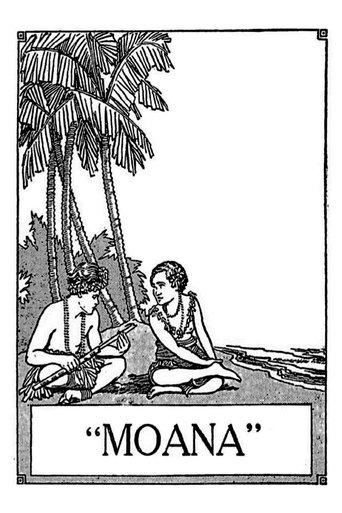
- Moana (1926 documentary)
- The Hurricane (1937 film)
This film influenced
- Mutiny on the Bounty (1935)
- Hurricane (1937)
- South Pacific (1958)
- Blue Hawaii (1961)
- The Thin Red Line (1998)
Film restoration
The film is preserved in the MGM/UA film archives and has been partially restored. Both the silent and sound versions survive, though the sound version has some deterioration. The film was selected for preservation in the United States National Film Registry in 2004 for its cultural, historical, and aesthetic significance. A complete restoration was undertaken by Warner Bros. in the 1990s, preserving both the visual elements and the synchronized soundtrack. The underwater sequences required special restoration attention due to the unique chemical processes used in their original development.
Where to watch
- Warner Archive Collection DVD/Blu-ray
- TCM (Turner Classic Movies) periodic broadcasts
- The Criterion Channel (streaming)
- MGM+ streaming service
- Public domain archives (silent version)
- Film preservation society screenings