
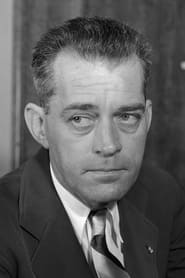
W.S. Van Dyke
Director
Born: March 21, 1889 in San Diego, California, United States Died: February 5, 1943 Active: 1917-1943 Birth Name: Woodbridge Strong Van Dyke II
Films
4 films

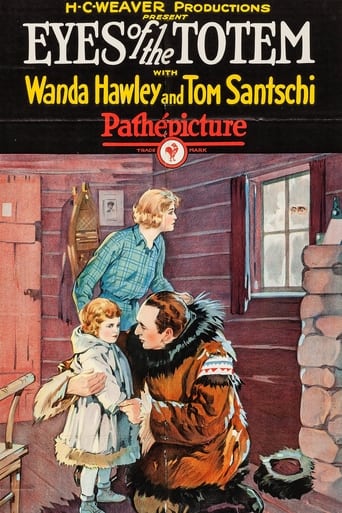
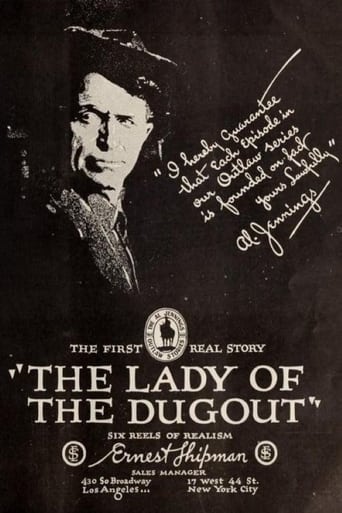
About W.S. Van Dyke
Woodbridge Strong Van Dyke II, known professionally as W.S. Van Dyke, was a prolific American director who rose from humble beginnings as a prospector and ranch hand to become one of Hollywood's most respected filmmakers during the Golden Age. His career began in the film industry as an assistant to D.W. Griffith, where he learned the fundamentals of cinematic storytelling before transitioning into directing his own films in the early 1920s. Van Dyke gained critical acclaim with his early silent films including 'White Shadows in the South Seas' (1928), which won an Academy Award for Best Cinematography and established his reputation for visual excellence. He became particularly renowned for his efficiency on set, earning the nickname 'One Take Woody' for his ability to complete scenes in minimal takes while maintaining high quality. His greatest success came with 'The Thin Man' (1934), which spawned a beloved film series and perfected the sophisticated comedy-mystery genre that would define much of his later career. Throughout the 1930s, he demonstrated remarkable versatility, directing everything from the disaster epic 'San Francisco' (1936) to the historical drama 'Marie Antoinette' (1938), showcasing his ability to work across multiple genres with equal skill. Despite his untimely death in 1943 at age 53, Van Dyke left behind a of over 80 films that continue to influence filmmakers today.
The Craft
Behind the Camera
Van Dyke was renowned for his efficient, no-nonsense directing approach that earned him the nickname 'One Take Woody' throughout Hollywood. His style emphasized clarity and pacing, with a focus on smooth narrative progression that kept audiences engaged without unnecessary flourishes. He excelled at creating naturalistic performances from his actors, particularly in comedy, where his timing and rhythm helped perfect the sophisticated banter that defined 'The Thin Man' series. Van Dyke was equally comfortable with large-scale productions like 'San Francisco' and intimate character studies, demonstrating remarkable versatility across genres while maintaining his signature straightforward approach. His technical proficiency and ability to complete films on or ahead of schedule made him one of MGM's most valuable directors during the studio system era.
Milestones
- Academy Award nomination for Best Director for 'The Thin Man' (1934)
- Directed the complete 'Thin Man' film series starring William Powell and Myrna Loy
- Won the Academy Award for Best Assistant Director (1929, the only year this category existed)
- Directed 'San Francisco' (1936), one of the highest-grossing films of the 1930s
- Pioneered location shooting with 'White Shadows in the South Seas' (1928)
- Established the sophisticated comedy-mystery genre with 'The Thin Man' series
Best Known For
Must-See Films
Accolades
Won
- Academy Award for Best Assistant Director (1929)
- Venice Film Festival Volpi Cup for Best Director for 'The Devil Is a Woman' (1935)
- Photoplay Award for Best Director for 'San Francisco' (1936)
Nominated
- Academy Award nomination for Best Director for 'The Thin Man' (1934)
- Academy Award nomination for Best Director for 'San Francisco' (1936)
- Directors Guild of America Award nomination for Outstanding Directorial Achievement in Motion Pictures for 'Marie Antoinette' (1938)
Special Recognition
- Hollywood Walk of Fame star at 6141 Hollywood Boulevard
- Inducted into the Directors Guild of America Hall of Fame
- Film Preservation Society honored 'The Thin Man' series for cultural significance
Working Relationships
Worked Often With
Studios
Why They Matter
Impact on Culture
W.S. Van Dyke significantly shaped American cinema by perfecting the sophisticated comedy-mystery genre through 'The Thin Man' series, which established a template for witty dialogue and charismatic detective partnerships that influenced countless films and television shows. His efficient directing methods helped establish the studio system's production standards, demonstrating that quality films could be produced quickly and economically without sacrificing artistic merit. Van Dyke's work in location shooting with 'White Shadows in the South Seas' paved the way for more ambitious on-location productions in Hollywood, proving that authentic settings could dramatically enhance storytelling. His disaster epic 'San Francisco' set new standards for special effects and large-scale productions, influencing how Hollywood would approach catastrophe films for decades. The director's ability to work across genres while maintaining consistent quality helped establish MGM's reputation for producing sophisticated entertainment during Hollywood's Golden Age.
Lasting Legacy
W.S. Van Dyke's legacy endures through his remarkable filmography that exemplifies the best of Hollywood's Golden Age craftsmanship. His 'Thin Man' series remains one of cinema's most beloved franchises, with the chemistry between William Powell and Myrna Loy continuing to influence romantic comedies and mystery films. Van Dyke's reputation as 'One Take Woody' has made him a figure among directors for his efficiency and technical proficiency, qualities that remain highly valued in the film industry. His films are regularly screened at film festivals and revival theaters, where they continue to captivate audiences with their timeless storytelling and sophisticated entertainment value. The director's influence can be seen in the work of filmmakers who value both artistic merit and commercial appeal, from Alfred Hitchcock's suspense-comedies to modern directors like Robert Altman who similarly blended genres with deft skill. Van Dyke's contributions to cinema were formally recognized when he was posthumously inducted into the Directors Guild of America Hall of Fame, cementing his status as one of Hollywood's most important and influential directors.
Who They Inspired
Van Dyke's influence extends across multiple generations of filmmakers who admired his versatility and efficiency. His work on 'The Thin Man' series directly influenced the development of television detective shows, particularly the dynamic between leads in series like 'Hart to Hart' and 'Moonlighting'. Directors such as Howard Hawks and Preston Sturges emulated Van Dyke's ability to blend comedy with other genres while maintaining sharp dialogue and pacing. The technical efficiency he demonstrated influenced the studio system's approach to production, with directors like Michael Curtiz and William Wyler adopting similar time-saving techniques. Modern filmmakers including the Coen Brothers and Wes Anderson have cited Van Dyke's genre-blending approach as an influence on their own work. His ability to create sophisticated entertainment that appealed to both critics and mass audiences established a template that continues to guide Hollywood's approach to mainstream filmmaking.
Off Screen
Van Dyke married Ruth Mannheimer in 1922, and their marriage lasted until his death in 1943. The couple had one son, Woodbridge Strong Van Dyke III, who followed in his father's footsteps by working in the film industry as a producer. Despite his Hollywood success, Van Dyke maintained a relatively private personal life, avoiding the scandal and publicity that plagued many of his contemporaries. He was known for his rugged outdoorsman persona, a remnant of his early years working as a prospector and ranch hand before entering the film industry. Van Dyke's health declined in his final years, and he tragically took his own life in 1943 after being diagnosed with terminal cancer, leaving behind a remarkable cinematic legacy.
Education
Limited formal education; largely self-taught through practical experience in various trades before entering the film industry
Family
- Ruth Mannheimer (1922-1943)
Did You Know?
- Earned the nickname 'One Take Woody' for his noted efficiency in completing scenes in minimal takes
- Was the only person to win the Academy Award for Best Assistant Director when the category existed for just one year (1929)
- Before entering films, worked as a gold prospector, railroad worker, and ranch hand in the American West
- Directed over 80 films in his 26-year career, an average of more than three films per year
- His film 'Manhattan Melodrama' (1934) was famously the movie John Dillinger had just watched before being shot by FBI agents outside Chicago's Biograph Theater
- Was one of the few directors who could effectively handle both comedy and drama, often in the same film
- His efficiency saved MGM millions of dollars during the Great Depression, making him one of the studio's most valuable assets
- Despite his success, he remained humble and often gave credit to his writers and actors for his films' achievements
- His final film, 'The Thin Man Goes Home' (1945), was released posthumously two years after his death
- Was a close friend of Clark Gable and directed him in five films, including 'San Francisco' and 'Test Pilot'
In Their Own Words
I don't make art. I make entertainment. And I make it as efficiently as possible.
The secret to directing is knowing exactly what you want before you ever step on the set.
A film should be like a well-oiled machine - every part working perfectly in harmony with the others.
I learned from the best. Mr. Griffith taught me that every frame must serve the story.
Efficiency isn't about rushing - it's about knowing exactly what you need and how to get it.
Frequently Asked Questions
Who was W.S. Van Dyke?
Prolific American on YTB.my. He directed over 80 films between 1917 and 1943, working across multiple genres from comedy to drama to disaster epics.
What films is W.S. Van Dyke best known for?
Titles linked here include The Thin Man (1934), After the Thin Man (1936).
When was W.S. Van Dyke born and when did he die?
Born March 21, 1889; died February 5, 1943.
What awards did W.S. Van Dyke win?
Van Dyke won the Academy Award for Best Assistant Director in 1929 (the only year this category existed), the Venice Film Festival Volpi Cup for Best Director for 'The Devil Is a Woman' (1935), and received two Academy Award nominations for Best Director for 'The Thin Man' (1934) and 'San Francisco' (1936).
What was W.S. Van Dyke's directing style?
Van Dyke was known for his efficient, straightforward directing approach that emphasized clarity, pacing, and naturalistic performances. His style focused on smooth narrative progression without unnecessary flourishes, earning him the nickname 'One Take Woody' for completing scenes in minimal takes while maintaining high quality.
How did W.S. Van Dyke influence Hollywood?
Van Dyke helped establish the studio system's production standards through his efficiency, pioneered sophisticated comedy-mystery with 'The Thin Man' series, and advanced location shooting techniques. His genre versatility and commercial success influenced how Hollywood balanced artistic merit with popular entertainment throughout the Golden Age.
What was W.S. Van Dyke's connection to Clark Gable?
Van Dyke directed Clark Gable in five films including 'San Francisco' (1936), 'Test Pilot' (1938), and 'Too Hot to Handle' (1938). The two developed a close friendship, with Van Dyke being one of the few directors who could effectively handle Gable's powerful screen presence while bringing out his more subtle acting abilities.