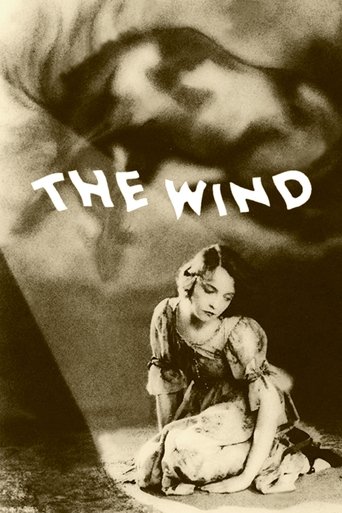
The Eyes of the Totem
"young daughter Betty and husband Jim live in a log cabin in the desolate and frozen north"
Keys: Space play/pause · ←/→ 10s · F fullscreen · M mute · </> speed
About this film
Mariam Hardy, young daughter Betty and husband Jim live in a log cabin in the desolate and frozen north, where Jim works their mining claim. Mariam longs for a normal life in the civilized world. Her husband returns one day with cash and the news that he has sold the claim.
Cast & crew
More films like this
More Drama films
View all →







More from W.S. Van Dyke
View all →

More about this film
About the production
Release dateApril 10, 1927
Box officeUnknown
ProductionCosmopolitan Productions
Filmed inTacoma, Washington, Los Angeles, California
The Eyes of the Totem was filmed during the transitional period of late silent cinema, just as sound was beginning to revolutionize the industry. Director W.S. Van Dyke, known for his efficient shooting style, completed this production relatively quickly. The film featured location shooting in Tacoma, Washington, which was unusual for the time and added authenticity to the Pacific Northwest setting. The production utilized the natural landscapes of the region to contrast the harsh northern mining territories with the more urban environment of Tacoma.
Themes
Justice and RevengeSocial Class DisparityDual IdentityMaternal SacrificeUrban vs. Wilderness
Themes & topics
Historical background
The Eyes of the Totem (1927) emerged during the silent-film era. Mariam Hardy, young daughter Betty and husband Jim live in a log cabin in the desolate and frozen north, where Jim works their mining claim. Archival records and catalog entries help place the work within film-history surveys of the period.
Why this film matters
Preserved under Wikidata ID Q20649941, The Eyes of the Totem is valued as a screen drama within catalog and archive collections. Wikipedia's "Eyes of the Totem" entry connect it to broader histories of cinema exhibition and restoration.
Making of
The production of The Eyes of the Totem took place during a tumultuous period in Hollywood history, as the industry was rapidly transitioning from silent to sound films. Director W.S. Van Dyke, who would later find great success with the Tarzan films and the Thin Man series, was still establishing his reputation as a reliable director of melodramas. The film's shooting schedule was notably efficient, even by silent film standards, with Van Dyke often completing scenes in just one or two takes. The cast faced the challenge of conveying complex emotions through the exaggerated acting style required for silent cinema. Location shooting in Tacoma provided authentic backdrops but also presented logistical challenges for the crew, who had to transport heavy equipment to the Pacific Northwest. The film's themes of social class and hidden identities resonated with audiences of the Roaring Twenties, a period of significant economic inequality in America.
What critics said
Survival status shapes reception: The Eyes of the Totem is discussed mainly in preservation and film-history literature rather than in wide contemporary review columns.
Did you know?
- The Eyes of the Totem is now considered a lost film, with no known complete copies surviving in archives or private collections.
- Director W.S. Van Dyke was nicknamed 'One Take Woody' for his efficiency in filmmaking, a trait that served him well in the rapidly changing industry of the late 1920s.
- The film was produced by Cosmopolitan Productions, a company founded by newspaper magnate William Randolph Hearst to promote the career of his mistress, Marion Davies.
- The title refers to a symbolic totem pole that appears in the film, representing themes of justice and retribution.
- This was one of Wanda Hawley's final starring roles before her career declined with the advent of sound cinema.
- Tom Santschi, who plays the mysterious stranger, was a veteran character actor who had been performing in films since the early 1910s.
- The film's themes of social class disparity and hidden identities were common in late silent era melodramas.
- The production coincided with the release of The Jazz Singer, which would soon make silent films like this one obsolete.
- Anne Cornwall, who played the daughter, would later transition to sound films and appear in several popular comedies of the 1930s.
- The film's depiction of beggar societies was based on real organized groups of homeless people that existed in major American cities during the 1920s.
Visual style
The cinematography of The Eyes of the Totem, typical of late silent era productions, employed sophisticated visual techniques to convey emotion and narrative without dialogue. The film likely made extensive use of dramatic lighting contrasts to emphasize the duality of the protagonist's life as both beggar and society member. Location shooting in Tacoma and the Pacific Northwest provided authentic exteriors that contrasted the harsh wilderness with urban environments. The cinematographer would have utilized varying camera angles and movements to enhance the dramatic tension, particularly in scenes involving the mysterious stranger with the sinister eyes. The visual style probably incorporated the soft focus and dramatic shadows characteristic of 1920s melodramas, creating a romantic yet foreboding atmosphere. The totem pole referenced in the title would have been filmed as a recurring visual motif, symbolizing the themes of justice and retribution central to the narrative.
Innovations
The Eyes of the Totem employed the technical standards of late silent cinema, which had reached considerable sophistication by 1927. The film likely utilized the panchromatic film stock that was becoming standard, offering better tonal range than earlier orthochromatic film. The production may have experimented with location sound recording equipment that was being tested during this transitional period, though the film was ultimately released as a silent feature. The cinematography probably employed camera movement techniques that had become common by the late 1920s, including tracking shots and varying camera heights to enhance dramatic impact. The film's special effects, if any, would have been achieved through in-camera techniques rather than post-production processes. The editing style likely incorporated the rhythmic pacing and cross-cutting techniques that had been refined throughout the silent era to build suspense and emotional resonance.
Music
As a silent film, The Eyes of the Totem would have been accompanied by musical score performed live in theaters during its original run. The typical presentation would have featured either a theater organist or small orchestra providing background music synchronized with the on-screen action. The score likely incorporated popular songs of the era as well as classical themes appropriate to the dramatic moments of the story. Musical cues would have heightened the tension in scenes involving the mysterious stranger and provided emotional underscoring for the protagonist's struggles. Larger urban theaters might have commissioned original scores or used compiled cue sheets specifically designed for dramatic films of this type. The music would have been crucial in conveying the emotional arc of the story, particularly in scenes where the protagonist maintains her dual identity or finally confronts her husband's murderer.
Famous quotes
No dialogue available - silent film
Memorable scenes
- The opening sequence showing the family's journey from the northern mining territories to Tacoma
- The murder of the husband by the sinister-eyed stranger
- Miriam's introduction to the beggar's society by the kindly elderly beggar
- The contrasting scenes of Miriam begging on the street versus visiting her daughter at the seminary
- The climactic confrontation between Miriam and her husband's murderer years after the crime
What audiences thought
Audience reception to The Eyes of the Totem in 1927 appears to have been moderate, with the film finding its primary audience among fans of silent melodramas and Wanda Hawley's followers. The story's themes of justice and redemption resonated with contemporary audiences, particularly women who related to the protagonist's struggle for independence in the face of adversity. However, the film's release coincided with the growing excitement surrounding 'talkies,' which may have diminished its appeal to general audiences seeking the latest technological innovations in cinema. The Pacific Northwest setting likely attracted regional audiences who appreciated seeing their local landscapes portrayed on screen. While not a blockbuster, the film apparently performed adequately enough to complete its theatrical run, though it was quickly overshadowed by the sound revolution that would soon transform the industry.
Film connections
Influenced by
- Other silent melodramas of the 1920s
- Social problem films of the era
- D.W. Griffith's narrative techniques
- German Expressionist visual style
This film influenced
- Later films about women seeking justice
- Depression-era films about social class
- Film noir themes of revenge and mystery
Film restoration
The Eyes of the Totem is currently considered a lost film. No complete copies are known to exist in any film archives or private collections worldwide. The film is listed among the thousands of silent features that have been lost due to the fragile nature of nitrate film stock and the lack of preservation efforts in the early decades of cinema. Some production stills and promotional materials may survive in archives, but the actual film content appears to have been lost forever. This loss is particularly unfortunate as it represents an example of W.S. Van Dyke's early directorial work before his major successes in the sound era. The film's status as a lost feature highlights the critical importance of film preservation efforts for early cinema.
Where to watch
- Not available - lost film