Anne Cornwall
Actor
Born: October 17, 1897 in Dallas, Texas, USA Died: March 2, 1987 Active: 1918-1930
Films
5 films
About Anne Cornwall
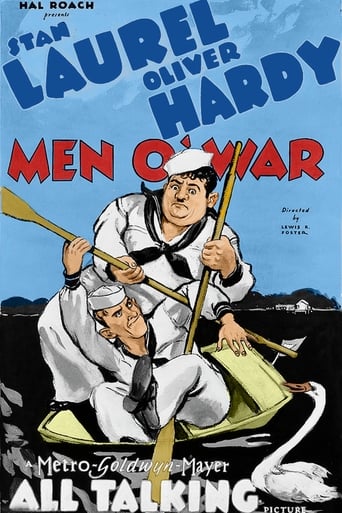
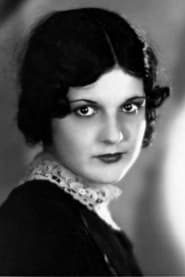
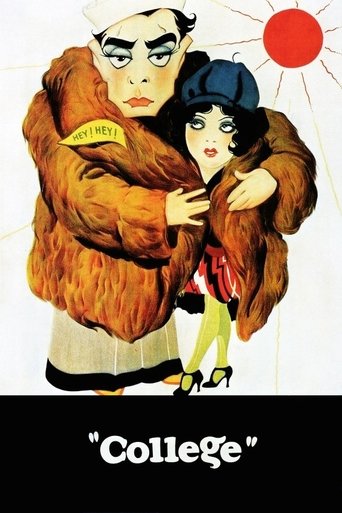
American actress who flourished during the silent film era and successfully transitioned into early sound pictures. Born in Dallas, Texas, she began her film career in the late 1910s and quickly established herself as a versatile performer in both dramatic and comedic roles. Her expressive face and natural acting style made her particularly effective in silent films, where visual storytelling was paramount. Cornwall worked with some of the era's biggest stars, including Buster Keaton in 'College' (1927) and Laurel and Hardy in 'Men O' War' (1929). Anne appears in over 50 films throughout her career, primarily as a leading lady in comedies and dramas. After marrying actor Charles 'Buddy' Rogers in 1927, she continued her acting career but gradually reduced her film appearances. Cornwall made her final film appearance in 1930 and retired from acting, though she remained connected to the film industry through her marriage. Her career, while not as extensively documented as some of her contemporaries, represents the typical trajectory of a successful supporting actress during Hollywood's transition from silent to sound films.
The Craft
On Screen
Anne Cornwall was known for her naturalistic acting style and remarkable facial expressiveness, which served her exceptionally well in the silent film era. She possessed a keen sense of timing for physical comedy while maintaining a graceful presence in dramatic scenes. Her performances were characterized by an understated approach that avoided the exaggerated gestures common among some silent film actors, instead relying on subtle expressions and authentic emotions. In comedy, she demonstrated excellent chemistry with her leading men, particularly in physical gags and slapstick situations. Her ability to convey complex emotions through minimal expression made her a valuable supporting actress in both comedies and dramas.
Milestones
- Breakthrough role in 'The Teaser' (1925)
- Starring opposite Buster Keaton in 'College' (1927)
- Working with Laurel and Hardy in 'Men O' War' (1929)
- Successful transition from silent films to talkies
- Marriage to fellow actor Charles 'Buddy' Rogers in 1927
Best Known For
Iconic Roles
Must-See Films
Working Relationships
Worked Often With
Studios
Why They Matter
Impact on Culture
Anne Cornwall's cultural impact lies primarily in her contribution to the golden age of silent comedy and her role in preserving the art form through the transition to sound. While not a major star, she was part of the ensemble that created some of the most enduring comedies of the era, working alongside legends who would become cultural icons. Her performances in films like 'College' with Buster Keaton and 'Men O' War' with Laurel and Hardy helped define the visual language of silent comedy. As a woman working in early Hollywood, she represented the increasing opportunities for female performers beyond mere decorative roles, often playing characters with agency and personality. Her successful transition from silent to sound films demonstrated the adaptability required of actors during this pivotal period in cinema history.
Lasting Legacy
Anne Cornwall's legacy is that of a reliable and talented supporting actress who contributed significantly to some of the most beloved films of the silent era. While her name may not be as recognizable as her more famous co-stars, film historians and silent cinema enthusiasts recognize her as an essential component of the films that have become classics. Her work serves as an example of the many skilled actors who formed the backbone of Hollywood's golden age, enabling stars to shine while maintaining their own artistic integrity. Her performances continue to be appreciated in film retrospectives and silent film festivals, where her natural acting style and comedic timing are studied by scholars and admired by classic film fans.
Who They Inspired
Anne Cornwall influenced subsequent generations of character actresses through her demonstration of how supporting roles could be both memorable and essential to a film's success. Her naturalistic acting style in an era often characterized by theatricality helped pave the way for more subtle performances in cinema. Her ability to work effectively in both comedy and drama showed the value of versatility for actors, a lesson that remains relevant in contemporary filmmaking. While she didn't directly mentor specific individuals who became famous, her performances continue to serve as inspiration for actors studying the techniques of silent film acting and the art of physical comedy.
Off Screen
Anne Cornwall married actor Charles 'Buddy' Rogers, known as 'America's Boyfriend,' in 1927, making them one of Hollywood's prominent couples of the late silent era. Their marriage ended in divorce in 1933, after which Cornwall married Dr. Ernest E. Smith, a physician, in 1935. Unlike many Hollywood actresses of her time, Cornwall chose to step away from the limelight after her second marriage and focused on her family life. She had no children from either marriage. After retiring from films, she lived a relatively private life in California, maintaining connections with Hollywood friends but avoiding public attention. Her later years were spent in Van Nuys, California, where she passed away at the age of 89.
Education
Limited information available about her formal education, though she likely received some dramatic training to prepare for her film career
Family
- Charles 'Buddy' Rogers (1927-1933)
- Dr. Ernest E. Smith (1935-1987)
Did You Know?
- She appeared in over 50 films during her 12-year career
- Her marriage to Charles 'Buddy' Rogers made them one of Hollywood's power couples of the late 1920s
- She successfully transitioned from silent films to talkies, a feat many of her contemporaries couldn't achieve
- She worked with three of silent comedy's greatest legends: Buster Keaton, Stan Laurel, and Oliver Hardy
- Despite her successful career, she retired from acting at the relatively young age of 33
- Her final film appearance was in 1930, just as the sound era was fully establishing itself
- She was particularly known for her expressive eyes, which served her well in silent films
- Unlike many silent film stars, she made a conscious choice to leave Hollywood rather than fading into obscurity
- Her role in 'College' (1927) is one of her most remembered performances, despite being a supporting part
- She lived to be 89 years old, outliving most of her contemporaries from the silent era
In Their Own Words
No documented famous quotes from Anne Cornwall, as was common for supporting actors of her era
Frequently Asked Questions
Who was Anne Cornwall?
American actress who worked primarily during the silent film era and early sound period from 1918 to 1930. She appeared in over 50 films and worked with comedy legends like Buster Keaton and Laurel and Hardy, establishing herself as a versatile performer in both dramatic and comedic roles.
What films is Anne Cornwall best known for?
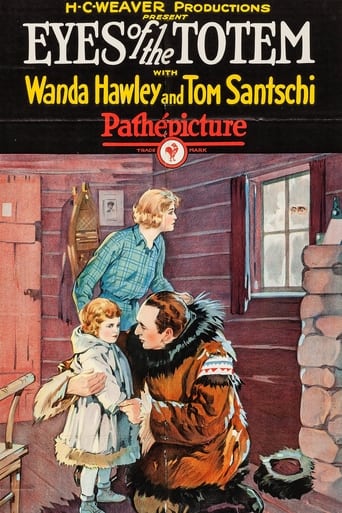
Titles linked here include College (1927), Men O' War (1929).
When was Anne Cornwall born and when did she die?
Born October 17, 1897; died March 2, 1987.
What awards did Anne Cornwall win?
Anne Cornwall did not receive any major awards or nominations during her career, which was common for supporting actors of her era. Her legacy lies in her contributions to classic films rather than formal recognition through awards.
What was Anne Cornwall's acting style?
Anne Cornwall was known for her naturalistic acting style and remarkable facial expressiveness, which served her well in silent films. She avoided the exaggerated gestures common among some silent actors, instead relying on subtle expressions and authentic emotions, with a particular talent for physical comedy and timing.
Was Anne Cornwall married to anyone famous?
Yes, Anne Cornwall was married to actor Charles 'Buddy' Rogers, known as 'America's Boyfriend' and star of the first Best Picture winner 'Wings' (1927). They were married from 1927 to 1933 and were considered one of Hollywood's prominent couples during the late silent era.
Why did Anne Cornwall retire from acting?
Anne Cornwall retired from acting in 1930 at the age of 33, shortly after the transition to sound films. While she successfully made the transition to talkies, she chose to leave Hollywood after her divorce from Charles 'Buddy' Rogers and subsequent marriage to Dr. Ernest E. Smith, preferring a more private life away from the film industry.