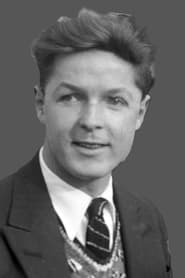
Gareth Hughes
Actor
Born: May 23, 1894 in Dowlais, Wales, United Kingdom Died: October 1, 1965 Active: 1919-1929
Films
4 films
About Gareth Hughes
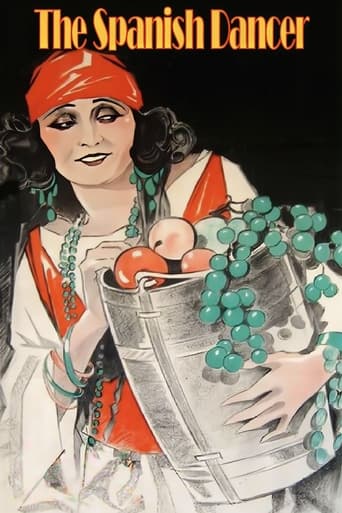
Welsh-born actor who achieved significant success during Hollywood's silent era — known for his romantic leading roles and character performances. Born in Wales in 1894, Hughes began his career on the British stage before emigrating to the United States and transitioning to film in the late 1910s. He quickly established himself as a reliable leading man, appearing in numerous productions for major studios including Paramount and Famous Players-Lasky. His most notable period was from 1919 to 1929, during which he starred opposite actresses like Pola Negri in 'The Spanish Dancer' (1923). Hughes successfully navigated the challenging transition from silent films to talkies, though his career began to wane as the 1930s progressed. In a remarkable life transformation, he later left acting behind to become an Episcopal minister, serving communities in California. His the golden age of silent cinema, and he witnessed firsthand the dramatic changes in filmmaking technology and style that defined the era.
The Craft
On Screen
Hughes was known for his expressive, theatrical style typical of the silent era, with large, emotive gestures and facial expressions that effectively conveyed emotion without dialogue. His background in stage acting contributed to his commanding screen presence and ability to project emotion across the silent medium. He particularly excelled in romantic roles, bringing a passionate intensity to his performances that resonated with audiences of the era.
Milestones
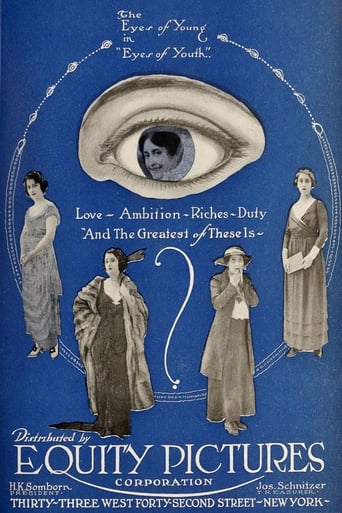
- Breakthrough role in 'Eyes of Youth' (1919)
- Starring opposite Pola Negri in 'The Spanish Dancer' (1923)
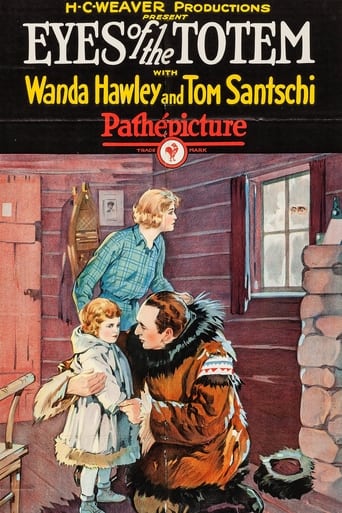
- Leading role in 'The Eyes of the Totem' (1927)
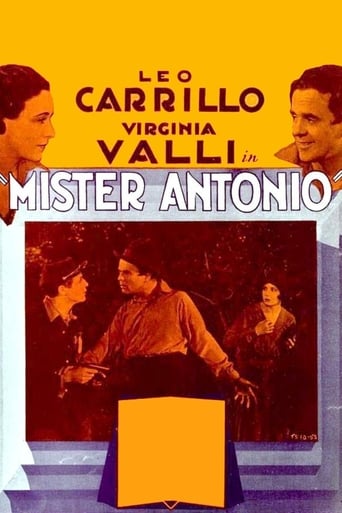
- Transition to talkies with 'Mister Antonio' (1929)
- Becoming an Episcopal minister after his acting career
Best Known For
Iconic Roles
Must-See Films
Accolades
Special Recognition
- Recognized as one of Wales' early contributions to Hollywood cinema
Working Relationships
Worked Often With
Studios
Why They Matter
Impact on Culture
Gareth Hughes represents the archetype of the European actor who found success in early Hollywood, contributing to the internationalization of American cinema during the silent era. His work helped bridge the gap between European theatrical traditions and the emerging American film industry. As one of the few Welsh actors to achieve significant Hollywood success during this period, he paved the way for future British performers in American cinema. His career trajectory from silent film stardom to religious ministry also reflects the broader cultural shifts of the 1930s, when many in Hollywood sought deeper meaning beyond entertainment.
Lasting Legacy
Hughes' legacy is twofold: as a contributor to the golden age of silent cinema and as an example of personal transformation and spiritual dedication. While his films may not be as widely remembered today as those of some contemporaries, his performances in notable productions like 'The Spanish Dancer' remain important artifacts of silent era cinema. His later life as a minister demonstrated that there could be meaningful life after Hollywood stardom, inspiring others who sought purpose beyond the entertainment industry. His story is often cited in discussions about the transitory nature of fame and the search for lasting fulfillment.
Who They Inspired
Hughes influenced other European actors seeking to break into Hollywood during the silent era, demonstrating that theatrical training could translate successfully to screen performance. His ability to work with leading stars of the day and maintain a steady career through the transition to sound provided a model for other actors navigating this challenging period. His later spiritual journey also influenced others in the entertainment industry who sought meaning beyond their careers, showing that it was possible to completely reinvent oneself after leaving Hollywood.
Off Screen
Gareth Hughes led a remarkable life that underwent a dramatic transformation from Hollywood stardom to religious ministry. After his acting career diminished in the early 1930s, he experienced a spiritual awakening and decided to pursue religious studies. He was ordained as an Episcopal minister and served various congregations in California, where he was known for his compassionate pastoral care and engaging sermons. Hughes never married and dedicated his later years entirely to his ministry work, finding fulfillment in helping others that he had not found in his Hollywood career.
Education
Stage training in Wales and England, later theological studies for ordination as Episcopal minister
Did You Know?
- Was one of the first Welsh actors to achieve significant success in Hollywood
- Spoke with a Welsh accent that was considered exotic and appealing to American audiences
- His transition from actor to minister was considered unusual for a Hollywood star of his era
- Worked with legendary actress Pola Negri at the height of her American fame
- His stage name was his birth name, unusual for actors of his generation
- Survived the transition from silent films to talkies when many of his contemporaries did not
- Was known for his intense preparation for roles, often spending weeks studying characters
- Maintained connections to his Welsh heritage throughout his Hollywood career
- His ministry work in California was well-regarded, with many unaware of his Hollywood past
- Appeared in over 30 films during his decade-long career
In Their Own Words
The stage taught me everything I needed to know about acting, but film taught me everything I needed to know about life
There comes a time when the applause fades, but the calling remains
From the silver screen to the sacred pulpit, I found my true purpose
Frequently Asked Questions
Who was Gareth Hughes?
Welsh with credits in this catalog. He was known for his romantic leading roles and later became an Episcopal minister after leaving the film industry.
What films is Gareth Hughes best known for?
Titles linked here include Eyes of Youth (1919), The Spanish Dancer (1923).
When was Gareth Hughes born and when did he die?
Born May 23, 1894; died October 1, 1965.
What awards did Gareth Hughes win?
While Gareth Hughes did not receive major film awards during his acting career, he was recognized as one of Wales' early successful Hollywood exports and later found fulfillment in his religious ministry.
What was Gareth Hughes' acting style?
Hughes employed the expressive, theatrical style typical of silent era actors, using large gestures and emotive facial expressions to convey emotion without dialogue. His stage background contributed to his commanding screen presence.
Why did Gareth Hughes leave acting?
Hughes left acting in the early 1930s after experiencing a spiritual awakening and feeling called to religious service. He was ordained as an Episcopal minister and served congregations in California for the remainder of his life.
Did Gareth Hughes transition successfully to talkies?
Yes, Hughes made the transition to sound films, appearing in 'Mister Antonio' (1929), though his career began to decline as the 1930s progressed, leading to his eventual departure from acting.