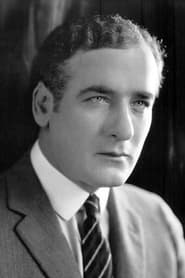
Tom Santschi
Actor
Born: June 24, 1880 in Cochrane, Ontario, Canada Died: April 8, 1931 Active: 1910-1927 Birth Name: Thomas Edwin Santschi
Films
11 films
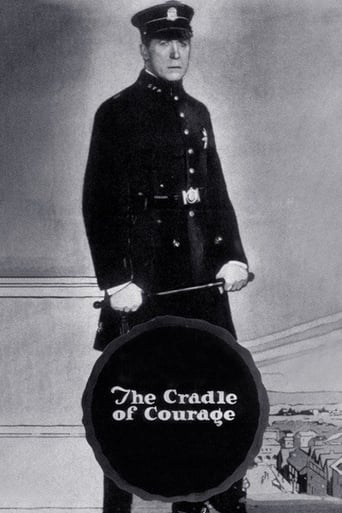
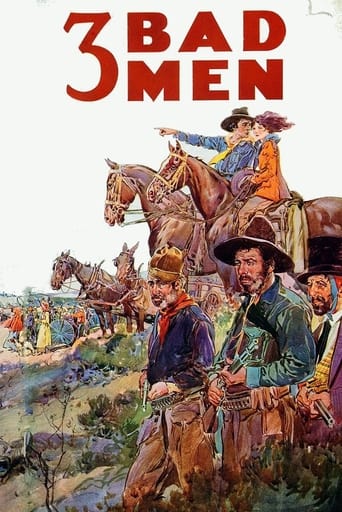
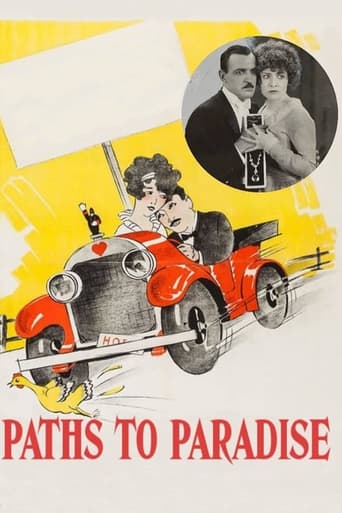
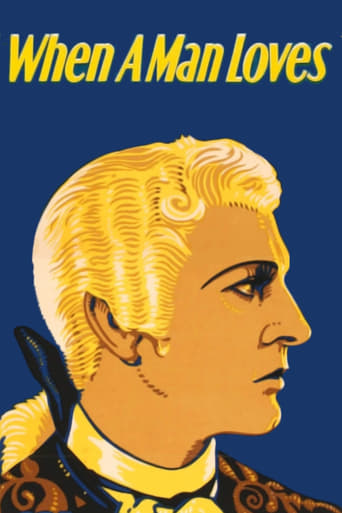
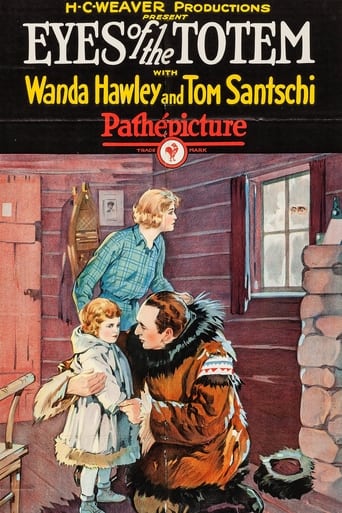
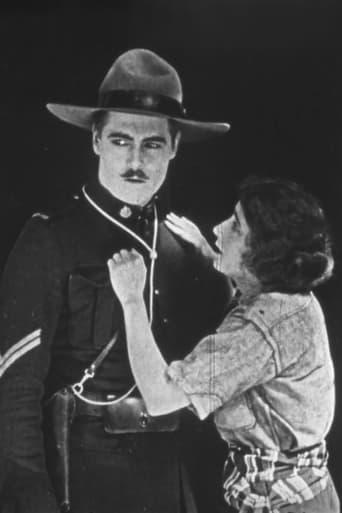
About Tom Santschi
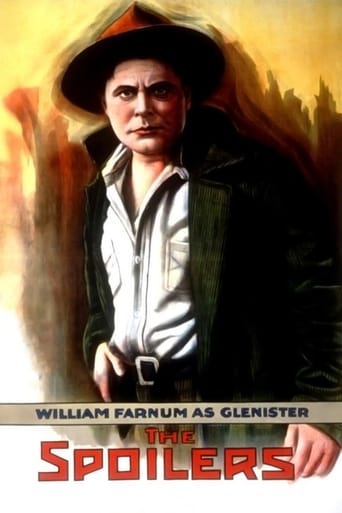
Prominent American actor, director, and screenwriter who rose to fame during the golden age of silent cinema. Born in 1880, he began his film career around 1910 and quickly established himself as a versatile character actor with a commanding screen presence. Santschi's imposing physique and intense gaze made him particularly effective in villainous roles, though he also played heroic characters throughout his career. He reached the pinnacle of his fame with his memorable performance in 'The Spoilers' (1914), which featured one of cinema's most famous fight scenes. Beyond acting, Santschi successfully transitioned into directing, helming numerous westerns and adventure films throughout the 1910s and 1920s. His nearly two decades, during which he appeared in over 200 films and directed more than 30. Despite his significant contributions to early cinema, his career declined with the advent of sound, and he retired from filmmaking in the late 1920s. Santschi passed away in 1931, leaving behind a legacy as one of silent cinema's most recognizable character actors.
The Craft
On Screen
Santschi was known for his intense, physical acting style that emphasized raw emotion and dramatic gestures typical of the silent era. His tall, muscular build and commanding presence made him particularly effective in roles requiring authority or menace. He employed broad but controlled facial expressions to convey complex emotions, and his ability to switch between villainous and heroic roles demonstrated remarkable range. Santschi's fight scenes were legendary for their realism and athleticism, particularly his famous brawl in 'The Spoilers' which set new standards for cinematic action sequences.
Milestones
- Breakthrough role in 'The Spoilers' (1914) with the legendary fight scene
- Directorial debut with 'The Man from Texas' (1915)
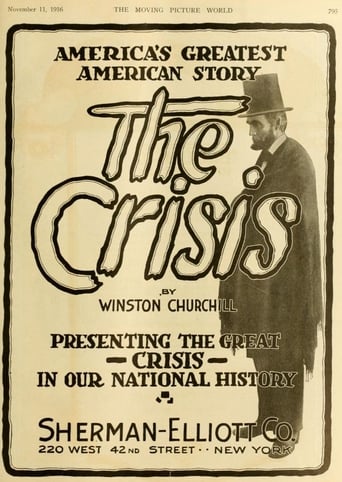
- Starred in D.W. Griffith's 'The Crisis' (1916)
- Directed and starred in numerous westerns for Fox Film Corporation
- Successful transition from character actor to leading man
- Mentored younger actors in the film industry
Best Known For
Iconic Roles
Must-See Films
Accolades
Special Recognition
- Hollywood Walk of Fame star (located at 6423 Hollywood Boulevard)
Working Relationships
Worked Often With
Studios
Why They Matter
Impact on Culture
Tom Santschi made significant contributions to the development of the American western and action genres during the silent era. His fight scene in 'The Spoilers' became legendary among film historians and influenced how cinematic violence was choreographed for decades. As one of the first actors to successfully transition from character roles to directing, he paved the way for other performers to take control behind the camera. Santschi's rugged, masculine persona helped establish the archetype of the strong, silent film hero that would dominate American cinema throughout the 1920s. His work with major studios helped standardize production methods for western films and adventure pictures.
Lasting Legacy
Tom Santschi's legacy endures through his influential body of work that helped shape early American cinema. While many of his films have been lost to time, those that survive demonstrate his significant impact on action choreography and storytelling techniques. His star on the Hollywood Walk of Fame ensures his contributions are remembered alongside other silent era pioneers. Film scholars and historians continue to study his directorial work for insights into early Hollywood production methods. Santschi represents the transition period in American cinema when actors began taking creative control behind the camera, a trend that would become increasingly common in subsequent decades.
Who They Inspired
Santschi influenced several generations of action film performers and directors through his innovative approach to physical cinema. His realistic fight choreography set new standards that would be emulated in films throughout the 1920s and beyond. Younger actors who worked with him often cited his professionalism and technical knowledge as formative influences on their own careers. His success as both actor and director demonstrated the viability of dual roles in the film industry, inspiring others like William S. Hart and Tom Mix to follow similar paths. The visual storytelling techniques he developed for silent westerns continued to influence the genre well into the sound era.
Off Screen
Tom Santschi was known as a private individual who maintained a relatively low profile off-screen despite his fame. He was married twice during his lifetime and had no children. Santschi was respected by his colleagues for his professionalism and willingness to help younger actors develop their craft. He was an avid outdoorsman and often incorporated his love of nature and adventure into his film projects. After retiring from the film industry, he lived quietly in Los Angeles until his death from a heart attack at age 50.
Education
Limited formal education; largely self-taught in the dramatic arts through theater experience before entering films
Family
- Edith Bostwick (1910-1920)
- Belle Bennett (1921-1931, until his death)
Did You Know?
- The famous fight scene in 'The Spoilers' (1914) between Santschi and William Farnum took three days to film and was considered
- He stood 6'2" tall, making him an imposing figure in silent films
- Before entering films, Santschi worked as a lumberjack and professional boxer
- He directed over 30 films, most of which are now considered lost
- Santschi was one of the few silent era actors who successfully maintained his popularity throughout World War I
- He often performed his own stunts, leading to numerous injuries during his career
- His distinctive scar on his left cheek was real, resulting from a bar fight before his acting career
- Santschi — accomplished horseman and owned several horses that appeared in his films
- He was one of the founding members of the Motion Picture Directors Association
- Despite his villainous roles, he was known as a kind and generous person off-screen
In Their Own Words
In pictures, the audience must see what you feel, not just hear what you say. Every gesture, every look must tell the story.
A good fight scene is like a dance - it requires rhythm, timing, and both partners knowing their steps.
The western isn't just about cowboys and Indians; it's about the American spirit of adventure and conquest.
Frequently Asked Questions
Who was Tom Santschi?
Prominent American actor, on YTB.my. He appeared in over 200 films and directed more than 30, leaving a significant mark on early Hollywood cinema.
What films is Tom Santschi best known for?
Titles linked here include The Spoilers (1914), The Crisis (1916).
When was Tom Santschi born and when did he die?
Born June 24, 1880; died April 8, 1931.
What awards did Tom Santschi win?
While Tom Santschi did not receive major film awards during his lifetime (as the Academy Awards were established late in his career), he was honored with a star on the Hollywood Walk of Fame at 6423 Hollywood Boulevard for his contributions to the film industry.
What was Tom Santschi's acting style?
Santschi was known for his intense, physical acting style characterized by dramatic gestures and powerful screen presence. His tall, muscular build made him particularly effective in villainous or authoritative roles, and he was renowned for his realistic fight choreography and ability to convey emotion through facial expressions typical of the silent era.
Did Tom Santschi direct films?
Yes, Tom Santschi directed over 30 films during his career, primarily westerns and action pictures. His directorial work was noted for its straightforward storytelling, emphasis on action, and authentic locations, though most of these films are now considered lost.
What was Tom Santschi's legacy in cinema?
Santschi's legacy includes his work in action choreography, particularly the influential fight scene in 'The Spoilers', and his role in establishing the western genre in early cinema. As one of the first actors to successfully transition to directing, he helped pave the way for future filmmaker-performers in Hollywood.