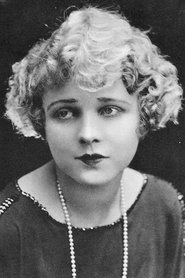
Wanda Hawley
Actor
Born: July 30, 1895 in Scranton, Pennsylvania, USA Died: March 18, 1963 Active: 1917-1932 Birth Name: Selma Wanda Pittack
Films
5 films
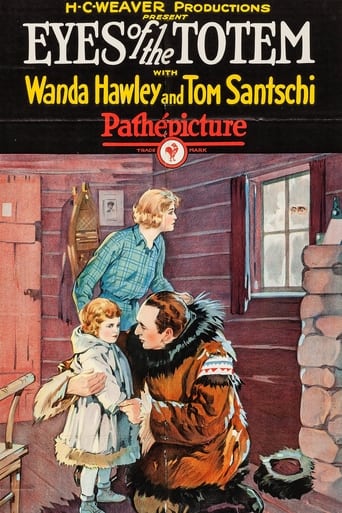
About Wanda Hawley
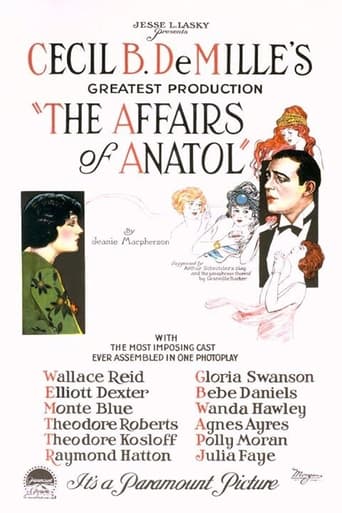
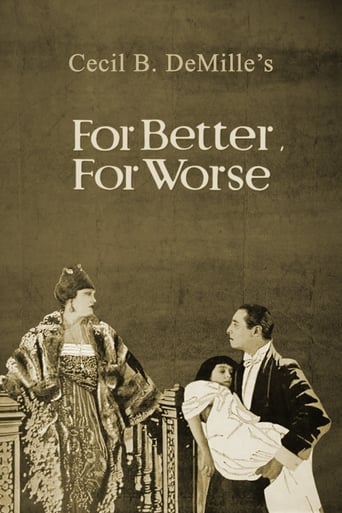
Prominent American actress of the silent film era who rose to fame as one of Cecil B. DeMille's leading ladies at Paramount Pictures. Born Selma Wanda Pittack in Scranton, Pennsylvania, she was discovered by the director and quickly became a fixture in his productions throughout the 1920s. Hawley specialized in portraying sophisticated, elegant women in romantic dramas and comedies, often playing second leads to stars like Gloria Swanson. Her career peaked in the early 1920s with notable films such as 'The Affairs of Anatol' (1921) and 'For Better, for Worse' (1919), where she demonstrated remarkable screen presence and emotional depth. As the transition to sound films began, Hawley, like many silent era performers, struggled to adapt her career to the new medium. Her final films in the late 1920s marked the end of her relatively brief but impactful Hollywood career, after which she largely retired from public life.
The Craft
On Screen
Wanda Hawley was known for her naturalistic acting style that was ahead of its time in the silent era. She employed subtle facial expressions and restrained gestures, contrasting with the more theatrical style common among her contemporaries. Her performances were characterized by emotional authenticity and a sophisticated demeanor that made her particularly effective in romantic roles. Hawley had a unique ability to convey complex emotions through her eyes, a skill that served her well in the intimate close-ups favored by DeMille. Her screen presence combined elegance with approachability, allowing her to play both high society characters and more relatable, down-to-earth roles with equal conviction.
Milestones
- Discovered by Cecil B. DeMille in 1917
- Signed exclusive contract with Paramount Pictures in 1919
- Starred in 'The Affairs of Anatol' (1921) directed by Cecil B. DeMille
- Appeared in over 60 films during her career
- Successfully transitioned from supporting roles to leading lady status
Best Known For
Iconic Roles
Must-See Films
Accolades
Special Recognition
- Hollywood Walk of Fame star (6609 Hollywood Blvd)
Working Relationships
Worked Often With
Studios
Why They Matter
Impact on Culture
Wanda Hawley represented the sophisticated, modern woman of the Jazz Age on screen, helping to define the archetype of the 1920s leading lady. Her work with Cecil B. DeMille contributed to the visual language of American cinema, particularly in the development of intimate close-up techniques and naturalistic performance styles. As one of Paramount's major stars during the studio's formative years, she was part of the establishment of the Hollywood studio system. Her films often explored themes of female independence and sexual freedom that were progressive for their time, reflecting the changing social mores of the 1920s. Though her career was relatively brief, her body of work serves as an important record of silent era cinematic techniques and storytelling approaches.
Lasting Legacy
Wanda Hawley's legacy lies in her contributions to the golden age of silent cinema and her role in shaping the image of the modern woman in 1920s film. While she may not be as well-remembered today as some of her contemporaries, her performances in DeMille's films are studied by film scholars as examples of sophisticated silent era acting. Her career trajectory also illustrates the challenges faced by many silent film actors during the transition to sound, making her story representative of a pivotal moment in cinema history. Her films, particularly 'The Affairs of Anatol,' remain valuable artifacts of early Hollywood production values and storytelling techniques. The preservation of her work has helped maintain understanding of the artistic achievements of the silent era.
Who They Inspired
Wanda Hawley influenced subsequent generations of actresses through her naturalistic acting style, which contrasted with the more theatrical approaches common in early cinema. Her subtle performance techniques anticipated the more nuanced acting that would become standard in sound films. Younger actresses studying silent era performances often look to Hawley's work as an example of how to convey emotion effectively without dialogue. Her collaborations with Cecil B. DeMille helped establish new standards for visual storytelling and character development that influenced directors and actors alike. While she didn't directly mentor specific protégés, her body of work served as a model for performers transitioning from stage to film in the 1920s.
Off Screen
Wanda Hawley was married twice during her lifetime. Her first marriage was to wealthy businessman Irvin J. Willat, a prominent film director, in 1919, which ended in divorce in 1923. She later married Dr. Daniel B. Wesson, a physician, in 1931, and remained with him until her death. Unlike many Hollywood stars of her era, Hawley maintained a relatively private personal life and avoided scandal. After retiring from films, she lived quietly in Los Angeles, occasionally attending film retrospectives and silent film conventions in her later years. She had no children from either marriage.
Education
Educated in Scranton public schools; studied dramatic arts in New York before moving to Hollywood
Family
- Irvin J. Willat (1919-1923)
- Dr. Daniel B. Wesson (1931-1963)
Did You Know?
- Her real name was Selma Wanda Pittack, but she shortened it to Wanda Hawley for her film career
- She was discovered by Cecil B. DeMille while working as a model in New York
- Hawley was one of the first actresses to sign an exclusive long-term contract with Paramount Pictures
- She stood at 5'3" and was known for her distinctive dark hair and expressive eyes
- During her peak years, she earned approximately $1,000 per week, a substantial sum for the time
- Her first film appearance was as an extra in D.W. Griffith's 'Intolerance' (1916)
- She was a skilled horsewoman and performed many of her own stunts in western-themed films
- Hawley — founding member of the Hollywood Motion Picture Relief Fund
- She successfully sued a tabloid newspaper in 1924 for false stories about her personal life
- After retiring from films, she became an accomplished painter and had several gallery exhibitions
In Their Own Words
The camera doesn't lie, but it can be taught to see beauty in truth.
In silent pictures, the eyes must do what the voice cannot.
Working with Mr. DeMille was like attending the finest acting school in the world.
The transition to sound wasn't just technical—it was emotional for those of us who lived through the change.
Frequently Asked Questions
Who was Wanda Hawley?
American actress who rose to fame during the silent film era as one of Cecil B. DeMille's leading ladies at Paramount Pictures. She was known for her sophisticated roles in romantic dramas and comedies throughout the 1920s.
What films is Wanda Hawley best known for?
Titles linked here include For Better, for Worse (1919), The Affairs of Anatol (1921).
When was Wanda Hawley born and when did she die?
Born July 30, 1895; died March 18, 1963.
What awards did Wanda Hawley win?
While Wanda Hawley did not receive major acting awards during her career, she was honored with a star on the Hollywood Walk of Fame at 6609 Hollywood Blvd for her contributions to motion pictures.
What was Wanda Hawley's acting style?
Wanda Hawley was known for her naturalistic acting style that was ahead of its time in the silent era. She used subtle facial expressions and restrained gestures, contrasting with the more theatrical style common among her contemporaries.