
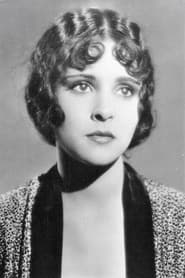
Dorothy Janis
Actor
Born: February 19, 1910 in Dallas, Texas, USA Died: March 10, 2010 Active: 1928-1929 Birth Name: Dorothy Janis Penrose
Films
2 films

About Dorothy Janis
Silent film actress who rose to brief but notable fame during the transition period from silent films to talkies in the late 1920s. Discovered by director W.S. Van Dyke while still a teenager, she was immediately cast opposite Ramon Novarro in MGM's exotic adventure 'White Shadows in the South Seas' (1928), which was partially filmed on location in Tahiti. Her striking beauty and natural screen presence led to her second and final major role in 'The Pagan' (1929), again paired with Novarro. Despite her promising start and the success of her films, Janis abruptly retired from acting in 1930 at the age of 19, choosing instead to focus on her personal life. She married orchestra leader Wayne King, known as 'the Waltz King,' and remained married to him for 53 years until his death in 1985. After leaving Hollywood, Janis lived a private life away from the spotlight, occasionally giving interviews about her brief but memorable film career. Her legacy endures as one of the many promising careers cut short by the transition to sound and personal choice in early Hollywood.
The Craft
On Screen
Natural and understated with a luminous screen presence, Janis embodied the innocent exotic beauty archetype popular in late silent cinema. Her style was characterized by expressive eyes and graceful movements rather than exaggerated melodrama, making her well-suited for the transition to sound. Critics noted her sincerity and authenticity, particularly in scenes requiring emotional depth rather than technical performance.
Milestones
- Discovered by director W.S. Van Dyke at age 17
- Starred in MGM's 'White Shadows in the South Seas' (1928)
- Filmed on location in Tahiti for her debut film
- Paired with Ramon Novarro in both of her films
- Retired from acting at age 19 after marriage
Best Known For
Iconic Roles
Must-See Films
Working Relationships
Worked Often With
Studios
Why They Matter
Impact on Culture
Dorothy Janis represents the archetype of the promising star who chose personal happiness over Hollywood fame during the tumultuous transition from silent films to talkies. Her brief career coincided with a pivotal moment in cinema history, and her decision to retire at the height of her potential made her a subject of fascination among film historians. Her films, particularly 'White Shadows in the South Seas,' were among the early productions to embrace location shooting and exotic themes that would influence adventure cinema for decades. Janis embodied the type of natural beauty that studios sought during this period, and her departure highlighted the personal sacrifices many faced in early Hollywood.
Lasting Legacy
Dorothy Janis is remembered as one of Hollywood's most intriguing 'what if' stories - a talented actress with immense potential who chose love over fame. Her two surviving films serve as valuable artifacts of late silent cinema, showcasing the production values and storytelling techniques of MGM at its peak. Film scholars often cite her as an example of the many careers cut short by the transition to sound and personal choice in early Hollywood. Her longevity, living to 100 years old, made her one of the last surviving stars of the silent era, and in her final years she provided valuable firsthand accounts of silent film production to historians and documentarians.
Who They Inspired
While her direct influence on other performers was limited due to her brief career, Janis's natural acting style and decision to prioritize personal life over stardom influenced subsequent generations of actors who sought balance between fame and privacy. Her work in exotic location films helped pave the way for more ambitious on-location productions in the following decades. Her story has been frequently cited in discussions about the human cost of Hollywood fame and the agency of early film actresses in controlling their own destinies.
Off Screen
Dorothy Janis led a remarkably private life after her brief film career. She married orchestra leader Wayne King in 1930, just as her film career was ending, and their marriage lasted 53 years until King's death in 1985. The couple had no children. After retiring from Hollywood, Janis completely withdrew from public life and rarely gave interviews, though she occasionally spoke about her experiences in silent films in her later years. She spent her later years in Paradise Valley, Arizona, and lived to be 100 years old, dying just a few weeks after her 100th birthday.
Family
- Wayne King (1930-1985)
Did You Know?
- Was discovered by director W.S. Van Dyke while still in high school
- Her birth name was Dorothy Janis Penrose, but she dropped 'Penrose' for her film career
- Both of her films were made for MGM and co-starred Ramon Novarro
- Filmed 'White Shadows in the South Seas' on location in Tahiti for three months
- Her second film 'The Pagan' was one of MGM's early sound productions
- Retired from acting at age 19 after marrying orchestra leader Wayne King
- Was one of the last surviving stars of the silent film era
- Lived to be exactly 100 years old, dying just weeks after her centennial birthday
- Rarely gave interviews after her retirement, making her one of Hollywood's more mysterious figures
- Her husband Wayne King was known as 'the Waltz King' and had a popular radio show
In Their Own Words
I was very young and very much in love. I chose love over a career in pictures.
Making movies in those days was wonderful. We worked hard, but it was like one big family.
I have no regrets. I had a wonderful life with Wayne, and that was more important to me than being a movie star.
Frequently Asked Questions
Who was Dorothy Janis?
Silent film actress active in 1928-1929 who starred in two MGM films, 'White Shadows in the South Seas' and 'The Pagan,' both opposite Ramon Novarro. She retired from acting at age 19 to marry orchestra leader Wayne King and lived a private life thereafter, becoming one of the last surviving stars of the silent era.
What films is Dorothy Janis best known for?
Titles linked here include White Shadows in the South Seas (1928), The Pagan (1929).
When was Dorothy Janis born and when did she die?
Born February 19, 1910; died March 10, 2010.
What awards did Dorothy Janis win?
Dorothy Janis did not receive any major film awards during her brief career, as she retired from acting before the establishment of many industry honors and before the Academy Awards became the prestigious institution they are today.
What was Dorothy Janis's acting style?
Dorothy Janis was known for her natural and understated acting style with a luminous screen presence. Rather than using the exaggerated gestures common in silent films, she employed subtle expressions and graceful movements, making her well-suited for the transition to sound films.
Why did Dorothy Janis retire so early?
Dorothy Janis retired from acting at age 19 in 1930 to marry orchestra leader Wayne King, choosing personal happiness and marriage over a potentially long film career. She remained married to him for 53 years until his death in 1985.
Was Dorothy Janis in any sound films?
Yes, her second film 'The Pagan' (1929) was one of MGM's early sound productions, featuring both synchronized music and dialogue sequences. This made it part of the transitional period between silent and sound cinema.
What happened to Dorothy Janis after she left Hollywood?
After leaving Hollywood, Dorothy Janis lived a completely private life with her husband Wayne King. The couple had no children, and Janis rarely gave interviews or made public appearances, though she occasionally spoke about her silent film experiences in her later years.