Greta Garbo
Actor
Born: September 18, 1905 in Stockholm, Sweden Died: April 15, 1990 Active: 1924-1941 Birth Name: Greta Lovisa Gustafsson
Films
11 films



About Greta Garbo
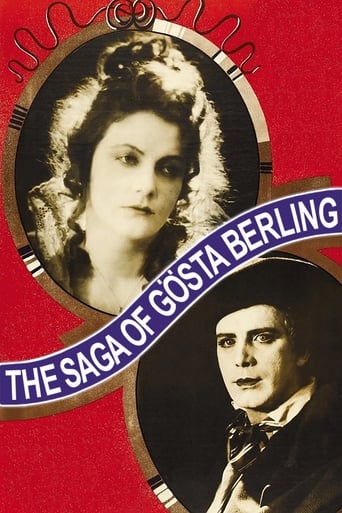
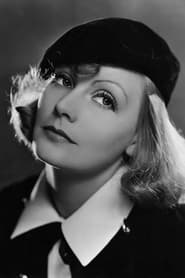
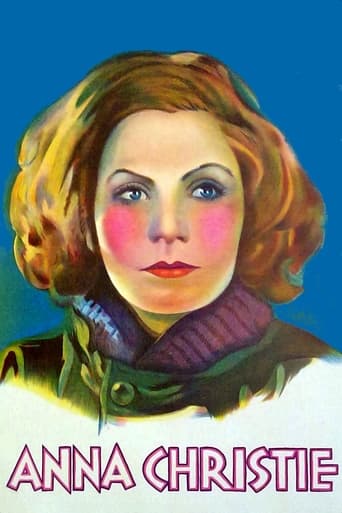
Greta Garbo, born Greta Lovisa Gustafsson, was and enigmatic actresses of the silent era and early sound period. Discovered by Swedish director Mauritz Stiller while working as a department store clerk, she made her film debut in 'The Saga of Gösta Berling' (1924). MGM studio chief Louis B. Mayer brought her to Hollywood in 1925, where she quickly became one of the studio's biggest stars, successfully transitioning from silent films to talkies with her first sound film 'Anna Christie' (1930), promoted with the tagline 'Garbo Talks!' Known as 'The Divine Garbo' for her ethereal beauty and mysterious persona, she created some of cinema's most memorable performances in both dramatic and comedic roles. Despite her immense popularity, Garbo retired abruptly in 1941 at age 36 after the disappointing reception of 'Two-Faced Woman', becoming one of Hollywood's most reclusive former stars. She spent the remainder of her life in New York City, shunning publicity and maintaining her privacy until her death in 1990.
The Craft
On Screen
Garbo's acting style was characterized by its subtlety, emotional depth, and minimalist approach. In silent films, she conveyed complex emotions through her expressive eyes and controlled gestures, creating a sense of mysterious melancholy that became her trademark. Her transition to sound revealed a distinctive husky voice that added to her exotic appeal. She employed a naturalistic acting technique that was ahead of her time, avoiding the exaggerated gestures common in silent cinema. Her performances often balanced vulnerability with strength, creating complex, multidimensional characters that audiences found both captivating and elusive.
Milestones
- Film debut in 'The Saga of Gösta Berling' (1924)
- Contract with MGM and move to Hollywood (1925)
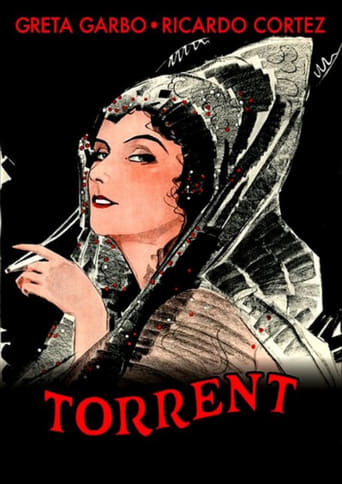
- First American film 'Torrent' (1926)
- Successful transition to sound with 'Anna Christie' (1930)
- Iconic performance in 'Grand Hotel' (1932)
- Critically acclaimed role in 'Queen Christina' (1933)
- Academy Award-nominated performance in 'Camille' (1936)
- Comedy triumph in 'Ninotchka' (1939)
- Retirement from films (1941)
- Honorary Academy Award (1955)
Best Known For
Iconic Roles
Must-See Films
Accolades
Won
- Academy Honorary Award (1954, presented in 1955)
- New York Film Critics Circle Award for Best Actress for 'Camille' (1936)
- National Board of Review Award for Best Acting for 'Anna Christie' (1930)
- Kinema Junpo Award for Best Foreign Actress for 'Camille' (1937)
- Photoplay Award for Most Popular Female Star (1931, 1932, 1934, 1936, 1937, 1938, 1939)
Nominated
- Academy Award for Best Actress for 'Anna Christie' (1930)
- Academy Award for Best Actress for 'Romance' (1930)
- Academy Award for Best Actress for 'Camille' (1936)
- Academy Award for Best Actress for 'Ninotchka' (1939)
- Academy Award for Best Actress for 'Two-Faced Woman' (1941)
- Venice Film Festival Volpi Cup for Best Actress for 'Anna Christie' (1930)
- Venice Film Festival Volpi Cup for Best Actress for 'Queen Christina' (1934)
Special Recognition
- Hollywood Walk of Fame star at 6901 Hollywood Blvd
- AFI's Greatest Female Stars of American Cinema - ranked #5
- United States Postal Service commemorative stamp (2005)
- Swedish Royal Medal 'Litteris et Artibus' (1937)
- New York Film Critics Circle Special Award for lifetime achievement (1976)
Working Relationships
Worked Often With
Studios
Why They Matter
Impact on Culture
Greta Garbo revolutionized film stardom with her mysterious persona and sophisticated screen presence. She embodied the transition from the flamboyant excess of the 1920s to the more nuanced realism of the 1930s, setting new standards for naturalistic acting. Her 'Garbo Mystique' created a template for celebrity privacy that few stars have successfully emulated. She challenged gender norms with her androgynous appeal and played roles that subverted traditional feminine stereotypes. Garbo's international appeal helped establish Hollywood's global dominance, proving that a foreign star could become America's biggest box office draw. Her influence extended beyond cinema to fashion, beauty standards, and the very concept of celebrity itself.
Lasting Legacy
Garbo's legacy endures as one of cinema's greatest enigmas and most talented performers. Her films continue to be studied and celebrated for their artistic merit and her extraordinary performances. She remains a cultural icon whose name is synonymous with mystery, elegance, and artistic integrity. The American Film Institute ranks her among the greatest female stars in cinema history, and her films are preserved in the National Film Registry. Her influence can be seen in later stars who cultivated similar personas of mystery and exclusivity. Garbo's decision to retire at the height of her fame has become legendary, cementing her status as Hollywood's eternal mystery and ensuring her mystique would never fade.
Who They Inspired
Garbo influenced generations of actors with her naturalistic acting style and emotional authenticity. Her subtle, minimalist approach to performance predated method acting and influenced stars like Marlon Brando and Montgomery Clift. She inspired countless actresses including Ingrid Bergman, Audrey Hepburn, and Grace Kelly, who emulated her combination of elegance and depth. Directors like Alfred Hitchcock and Ingmar Bergman admired her work and drew inspiration from her screen presence. Her international success paved the way for other foreign actors in Hollywood, including Marlene Dietrich and Sophia Loren. The concept of the reclusive celebrity that she perfected has influenced stars from Marilyn Monroe to Johnny Depp.
Off Screen
Garbo was intensely private throughout her life and career, never marrying and having no children. She had several rumored romantic relationships with both men and women, including a long-term relationship with actress Mercedes de Acosta and a brief engagement to actor John Gilbert. After retiring from films, she lived as a recluse in New York City, rarely giving interviews and avoiding public appearances. She invested wisely in real estate and the stock market, becoming quite wealthy. Garbo maintained friendships with a small circle of trusted confidants and was known for her daily walks through Manhattan streets, often wearing sunglasses and a trench coat to maintain her anonymity.
Education
Royal Dramatic Training Academy (Royal Dramatic Theatre's acting school) in Stockholm (1922-1924)
Did You Know?
- She was nicknamed 'The Divine Garbo' by her fans and the press
- Her first sound film 'Anna Christie' was marketed with the famous tagline 'Garbo Talks!'
- She was one of the highest-paid actresses of her time, earning $250,000 per film in the 1930s
- She became a US citizen in 1951 but maintained her Swedish citizenship as well
- Garbo was offered but declined the role of Norma Desmond in 'Sunset Boulevard' (1950)
- She was a talented painter and created many artworks during her retirement
- Garbo never attended any of her own film premieres
- She had a photographic memory and could recall dialogue from films made decades earlier
- Her famous line 'I want to be alone' from 'Grand Hotel' is often misquoted as 'I want to be left alone'
- She was offered $1 million to appear in a 1948 film adaptation of 'The Sound of Music' but declined
- Garbo — close friend of the Rothschild banking family and stayed with them in Europe during WWII
- She invented her own exercise routine called 'The Garbo Walk' which she practiced daily
In Their Own Words
'I want to be alone.' (from 'Grand Hotel', 1932)
'I never said, 'I want to be alone.' I only said, 'I want to be left alone.' There is all the difference.' (in a 1955 interview)
'Being a movie star, and this applies to all of them, means being looked at from every possible direction. You are never left at peace, you're just fair game.'
'Your joys and sorrows, you can never share them, you can tell your troubles to a few friends, but you can never tell them to the crowd.'
'Life would be so wonderful if we only knew what to do with it.'
'Is there anything better than to be wandering the world as a tourist?'
'I have made my resolutions for the New Year. I will be good. I will not talk so much. I will be more retiring.'
Frequently Asked Questions
Who was Greta Garbo?
Swedish-American actress who became. Known as 'The Divine Garbo,' she was famous for her mysterious persona, ethereal beauty, and extraordinary talent in both silent films and talkies from the 1920s through the early 1940s.
What films is Greta Garbo best known for?
Titles linked here include Flesh and the Devil (1926), Anna Christie (1930).
When was Greta Garbo born and when did she die?
Born September 18, 1905; died April 15, 1990.
What awards did Greta Garbo win?
Garbo received an Honorary Academy Award in 1955 for her 'unforgettable screen performances.' She was nominated four times for the Academy Award for Best Actress and won the New York Film Critics Circle Award for Best Actress for 'Camille' (1936). She was also ranked #5 on AFI's list of greatest female stars.
What was Greta Garbo's acting style?
Garbo's acting style was characterized by its subtlety, emotional depth, and naturalistic approach. She conveyed complex emotions through minimal gestures and expressive eyes, avoiding the exaggerated techniques common in silent cinema. Her husky voice and controlled performances created a unique screen presence that was both powerful and mysterious.
Why did Greta Garbo retire so early?
Garbo retired in 1941 at age 36 after the disappointing reception of her last film 'Two-Faced Woman.' Various theories include her desire to leave while still at the top, her natural reclusiveness, and her dissatisfaction with Hollywood's changing studio system. She never publicly explained her decision, maintaining her privacy for the rest of her life.
Was Greta Garbo married?
No, Greta Garbo never married and had no children. She had several rumored relationships, including a famous engagement to actor John Gilbert that was called off, and a long-term friendship with actress Mercedes de Acosta. She remained fiercely private about her personal life throughout her career and retirement.