
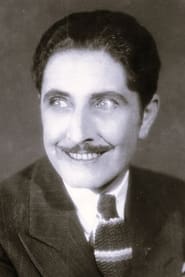
Roy D'Arcy
Actor
Born: February 10, 1894 in San Francisco, California, USA Died: November 15, 1969 Active: 1925-1929 Birth Name: Roy Francis Giusti
Films
5 films
About Roy D'Arcy
Character actor of the silent film era, renowned for his aristocratic bearing and villainous portrayals that made him a memorable presence in numerous Hollywood productions. Born in San Francisco, California, he began his acting career on the stage before transitioning to films in the mid-1920s. D'Arcy quickly established himself as a reliable antagonist, often cast as the scheming nobleman or jealous rival in romantic dramas and swashbucklers. His distinctive appearance, featuring sharp features and an imposing presence, made him particularly effective in period pieces where he could embody European aristocracy with convincing authenticity. Throughout his brief but impactful film career, he worked with some of the biggest stars of the era, including Greta Garbo, Mae Murray, and John Gilbert. Despite his success in silent films, D'Arcy's career waned with the transition to sound, and he made his last film appearance in 1929. His legacy endures through his memorable performances in classic silent films that showcased his unique talent for bringing sophisticated villains to life on screen.
The Craft
On Screen
Roy D'Arcy was known for his sophisticated and nuanced portrayals of aristocratic villains, characterized by his commanding screen presence, refined mannerisms, and ability to convey complex emotions through subtle facial expressions. His acting style embodied the theatrical traditions of the silent era, using exaggerated gestures and intense gazes to communicate character motivations without dialogue. D'Arcy excelled at portraying jealousy, ambition, and moral corruption with a certain elegance that made his villains both threatening and compelling to audiences.
Milestones
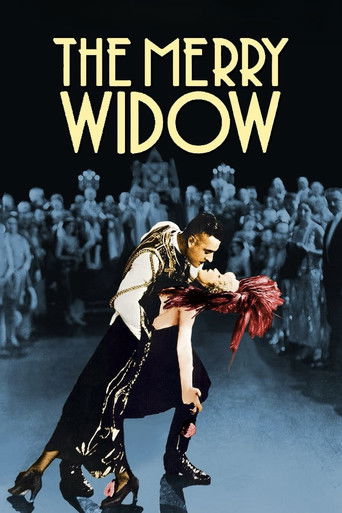
- Breakthrough role in 'The Merry Widow' (1925)
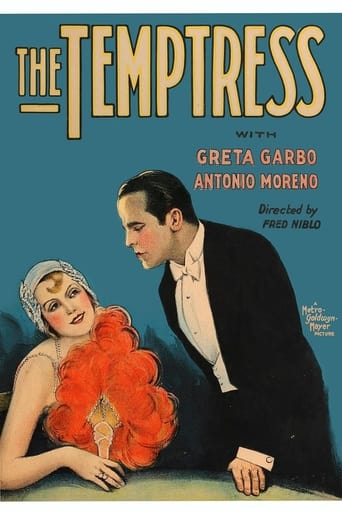
- Memorable villain in 'The Temptress' (1926) opposite Greta Garbo
- Critical acclaim in 'Bardelys the Magnificent' (1926) with John Gilbert
- Final film appearance in early sound horror 'The Last Warning' (1929)
Best Known For
Iconic Roles
Must-See Films
Working Relationships
Worked Often With
Studios
Why They Matter
Impact on Culture
Roy D'Arcy made a significant contribution to the golden age of silent cinema as one of the era's most recognizable character actors specializing in villainous roles. His performances helped establish the archetype of the sophisticated European antagonist that would become a staple in Hollywood cinema for decades to come. D'Arcy's ability to embody aristocratic evil with style and panache influenced how villains would be portrayed in subsequent films, particularly in period pieces and romantic dramas. His work alongside legendary stars like Greta Garbo and John Gilbert placed him at the center of some of the most significant productions of the mid-1920s, making him an integral part of Hollywood's transition from the primitive cinema of the early 1920s to the sophisticated productions that would define the late silent era.
Lasting Legacy
Roy D'Arcy's legacy endures through his memorable performances in classic silent films that continue to be studied and appreciated by film historians and enthusiasts. Though his career was brief, spanning only five years, his impact on the development of character acting in silent cinema remains significant. D'Arcy represents the type of specialized performer who was essential to the studio system of the 1920s, actors who could reliably deliver specific character types that audiences loved to hate. His films, particularly those directed by Erich von Stroheim, are considered important examples of late silent cinema and continue to be preserved and screened at film festivals and classic cinema venues worldwide.
Who They Inspired
D'Arcy's portrayal of sophisticated villains influenced subsequent generations of character actors who specialized in antagonistic roles. His technique of combining aristocratic refinement with underlying menace became a template for actors playing similar characters in later Hollywood productions. The way he used his physical presence and facial features to create memorable villains without relying on dialogue demonstrated the power of pure visual performance in cinema, a lesson that continues to influence actors and directors today.
Off Screen
Roy D'Arcy led a relatively private life away from the Hollywood spotlight. After his film career ended, he largely disappeared from public view and returned to his birth name of Roy Francis Giusti. He spent his later years working outside the entertainment industry and maintained a low profile until his death in 1969. Unlike many of his contemporaries, D'Arcy did not seek publicity or attempt to revive his career with the advent of sound films, choosing instead to retire from acting altogether.
Did You Know?
- Born Roy Francis Giusti, he adopted the stage name Roy D'Arcy for his film career
- His distinctive appearance and aristocratic bearing made him a natural choice for villainous roles
- Worked extensively with director Erich von Stroheim, who was known for his demanding directing style
- His career ended almost simultaneously with the transition to sound films in Hollywood
- Despite his success, he never attempted to make the transition to talking pictures
- Was often typecast as European nobility or aristocratic villains due to his refined appearance
- His final film 'The Last Warning' (1929) was one of the early horror films with partial sound sequences
- Retired from acting at the height of the transition to sound, choosing to leave Hollywood rather than adapt
- His performances are now considered excellent examples of silent era character acting
- Many of his films are now considered lost, making his surviving performances particularly valuable to film historians
Frequently Asked Questions
Who was Roy D'Arcy?
American character with credits in this catalog. He worked extensively with MGM Studios and appeared alongside legendary stars like Greta Garbo and John Gilbert in some of the most significant films of the mid-1920s.
What films is Roy D'Arcy best known for?
Titles linked here include The Merry Widow (1925), The Temptress (1926).
When was Roy D'Arcy born and when did he die?
Born February 10, 1894; died November 15, 1969.
What awards did Roy D'Arcy win?
Roy D'Arcy did not receive any major formal awards or nominations during his brief film career. However, his performances were critically acclaimed and he was regarded as one of Hollywood's most reliable character actors for villainous roles during the silent era.
What was Roy D'Arcy's acting style?
Roy D'Arcy's acting style was characterized by sophisticated and theatrical portrayals of aristocratic villains, using refined mannerisms, commanding presence, and expressive facial features to convey complex emotions without dialogue. He embodied the grand, exaggerated style of silent era acting while bringing nuance and elegance to his antagonistic characters.