Virginia Brown Faire
Actor
Born: June 26, 1904 in Brooklyn, New York, USA Died: June 30, 1980 Active: 1920-1934 Birth Name: Virginia Labuna
Films
4 films
About Virginia Brown Faire
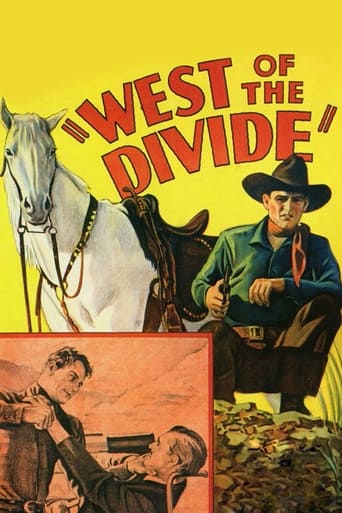
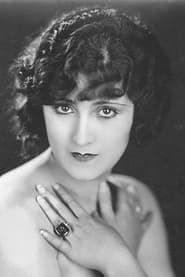
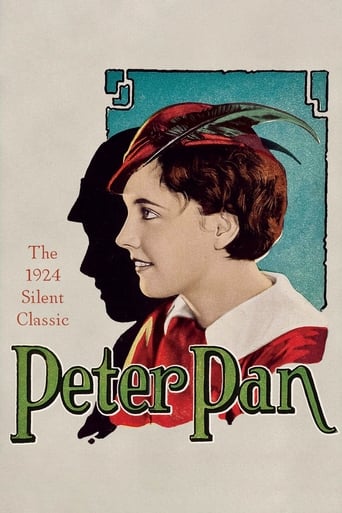
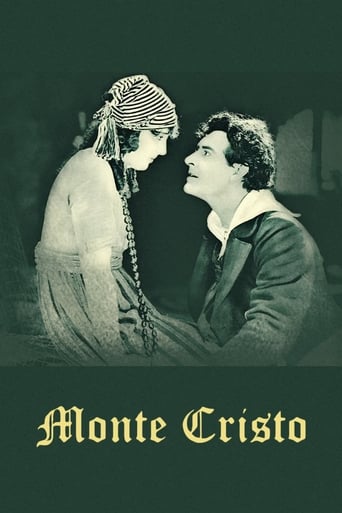
Prominent American actress of the silent film era who successfully transitioned into early sound pictures. Born Virginia Labuna, she began her career as a teenager after winning a beauty contest sponsored by Universal Pictures, which led to her first film contract. She rose to fame in the early 1920s, starring in numerous silent films including the acclaimed Monte Cristo (1922) opposite John Gilbert and the Peter Pan (1924) where she played Wendy Darling. Her career peaked in the mid-1920s with roles in major productions like The Temptress (1926) alongside Greta Garbo. As the film industry transitioned to sound, she continued working in smaller roles and B-pictures through the early 1930s, with her final appearance in West of the Divide (1934) with John Wayne. After retiring from acting, she largely withdrew from public life, leaving behind a legacy of memorable silent film performances that showcased her versatility and screen presence.
The Craft
On Screen
Virginia Brown Faire was known for her naturalistic acting style that was ahead of its time for the silent era. She possessed a delicate yet expressive screen presence, using subtle facial expressions and body language to convey emotion, which made her particularly effective in dramatic roles. Her performances were characterized by a gentle sincerity and innocence that made her especially popular in romantic and family-oriented films. Unlike many silent era actors who relied on exaggerated gestures, Faire's more restrained approach helped her transition smoothly into sound films.
Milestones
- Won Universal Pictures beauty contest leading to film contract
- Starred as Wendy Darling in Peter Pan (1924)
- Appeared in Monte Cristo (1922) with John Gilbert
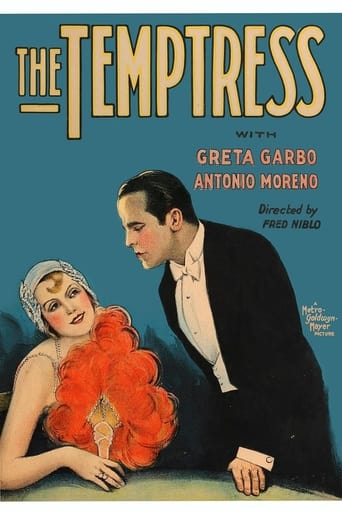
- Co-starred with Greta Garbo in The Temptress (1926)
- Successfully transitioned from silent films to early talkies
- Worked with major studios including Universal and MGM
Best Known For
Iconic Roles
Must-See Films
Accolades
Won
- WAMPAS Baby Stars of 1923
Special Recognition
- Star on the Hollywood Walk of Fame (located at 1715 Vine Street)
Working Relationships
Worked Often With
Studios
Why They Matter
Impact on Culture
Virginia Brown Faire represented the transition from the dramatic acting style of the silent era to the more naturalistic approach required in sound films. Her portrayal of Wendy Darling in Peter Pan became one of the definitive film interpretations of the character for decades, influencing how the role was played in subsequent adaptations. As one of the WAMPAS Baby Stars of 1923, she was part of a prestigious group of actresses who were predicted to become major stars, and her successful career helped validate the industry's scouting system. Her ability to maintain a career through the challenging transition from silent to sound films demonstrated the adaptability required of actors during this pivotal period in cinema history.
Lasting Legacy
Virginia Brown Faire's legacy lies primarily in her contribution to silent cinema, particularly her memorable performances in major productions of the 1920s. Her work in Peter Pan remains historically significant as one of the earliest and most influential film adaptations of J.M. Barrie's beloved play. While she may not have achieved the lasting fame of some of her contemporaries, her career serves as an example of the typical trajectory of successful silent film actresses who navigated the industry's dramatic technological changes. Her films continue to be studied by film historians and enthusiasts as representative examples of 1920s Hollywood cinema.
Who They Inspired
Faire influenced other actors through her naturalistic acting style, which was somewhat ahead of its time for the silent era. Her successful transition to sound films provided a model for other silent era actors facing the same challenge. Her portrayal of Wendy Darling set a standard for the character that influenced subsequent actresses in the role. Her career demonstrated the importance of versatility and adaptability for actors in an industry undergoing rapid technological change.
Off Screen
Virginia Brown Faire married Jack Dougherty, a film director, in 1925, though the marriage ended in divorce. She later married William B. Fritzsche in 1932, with whom she remained until his death. After retiring from acting in 1934, she largely withdrew from the entertainment industry and focused on her private life. She spent her later years in Laguna Beach, California, where she lived quietly away from the public eye. Unlike many of her contemporaries, she rarely gave interviews or made public appearances after her retirement.
Education
Attended public schools in Brooklyn, New York; no formal dramatic training reported
Family
- Jack Dougherty (1925-1929)
- William B. Fritzsche (1932-1965)
Did You Know?
- Won a beauty contest sponsored by Universal Pictures that launched her film career
- Was one of the WAMPAS Baby Stars of 1923, a group of actresses predicted to become major stars
- Her birth name was Virginia Labuna, but she changed it for her acting career
- Appeared in over 50 films during her 14-year career
- Her role in Peter Pan (1924) was one of her most critically acclaimed performances
- Worked with legendary director Ernst Lubitsch on multiple occasions
- Successfully made the transition from silent films to talkies, unlike many of her contemporaries
- Retired from acting at age 30, relatively young for an actress of her era
- Her final film appearance was in an early John Wayne western
- Lived the last decades of her life in relative obscurity in Laguna Beach, California
In Their Own Words
I never sought stardom, it sought me through that beauty contest. I was just a girl from Brooklyn who loved movies.
The transition to sound wasn't as difficult for me as it was for others. I always tried to act naturally, not theatrically.
Playing Wendy was a dream come true. Every girl wants to fly to Neverland, and I got to do it on film.
Frequently Asked Questions
Who was Virginia Brown Faire?
American actress who was prominent during the silent film era of the 1920s and early 1930s. She is best remembered for her roles in Peter Pan (1924) as Wendy Darling, Monte Cristo (1922), and The Temptress (1926). She successfully transitioned from silent films to early talkies before retiring in 1934.
What films is Virginia Brown Faire best known for?
Titles linked here include Peter Pan (1924), Monte Cristo (1922).
When was Virginia Brown Faire born and when did she die?
Born June 26, 1904; died June 30, 1980.
What awards did Virginia Brown Faire win?
Virginia Brown Faire was selected as one of the WAMPAS Baby Stars of 1923, which was a prestigious honor given to young actresses predicted to become major stars. She also received a star on the Hollywood Walk of Fame located at 1715 Vine Street for her contributions to the film industry.
What was Virginia Brown Faire's acting style?
Faire was known for her naturalistic acting style that was ahead of its time for the silent era. She used subtle facial expressions and restrained gestures rather than the exaggerated movements common in silent films. This approach made her transition to sound films smoother than many of her contemporaries.
How did Virginia Brown Faire get discovered?
Faire was discovered after winning a beauty contest sponsored by Universal Pictures. This contest victory led to her first film contract and launched her career in Hollywood. She was one of many actresses who entered the film industry through similar beauty competitions during the 1920s.
Why did Virginia Brown Faire retire from acting?
Virginia Brown Faire retired from acting in 1934 at the age of 30. While the exact reasons aren't fully documented, it was common for actors of her era to retire relatively young. She may have chosen to focus on her personal life after marrying William B. Fritzsche in 1932, and she spent her remaining decades living quietly in California.