Peter Pan
"Never grow up, never say goodbye."
Keys: Space play/pause · ←/→ 10s · F fullscreen · M mute · </> speed
About this film
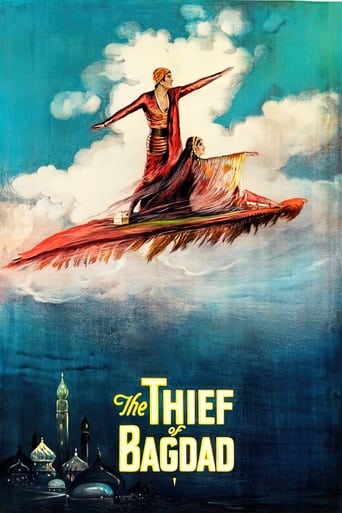
Peter Pan visits the Darling nursery to reclaim his shadow, sprinkles fairy dust on Wendy, John, and Michael, and flies them to Never Never Land. Wendy mothers the Lost Boys while Peter battles Captain Hook's pirates, rescues the kidnapped children, and returns home—refusing to grow up despite Wendy's plea to stay.
Cast & crew
More films like this
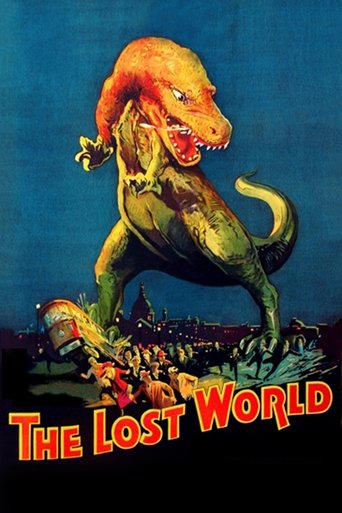
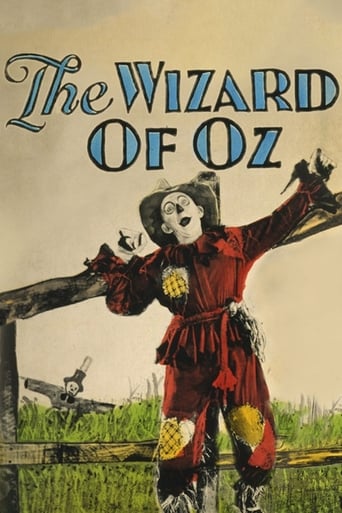
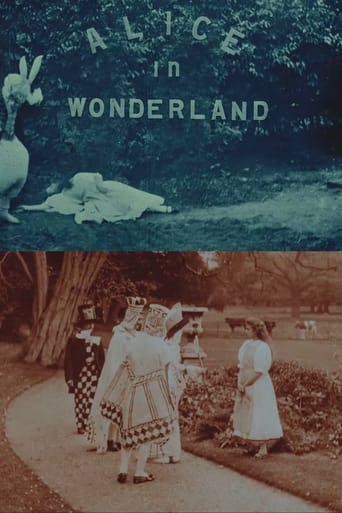
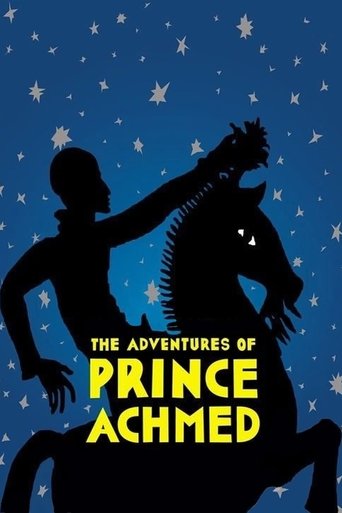
More Family films
View all →

More from Herbert Brenon
View all →
More about this film
About the production
Release dateDecember 29, 1924
Box officeSuccessful upon release, though exact figures are not documented
ProductionParamount Pictures
Filmed inParamount Studios, Hollywood, California, Various locations in California for exterior shots
The film featured elaborate special effects for the flying sequences using wires and careful camera work. The production built massive sets including a full-scale pirate ship and detailed Never Land environments. The crocodile was created using both mechanical props and costumed actors to achieve the desired effect.
Themes
The conflict between childhood and adulthoodThe power of imaginationThe fear of growing upThe nature of memory and storytellingThe battle between innocence and corruption
Themes & topics
flyingpiratesfairiesnever growing upmagicadventurelost boyscaptain hookdarling childrenneverlandcrocodiletinker bellwendyrevengefantasy world
Historical background
Released around 1924, Peter Pan reached audiences while exhibitors were still shaping program length and star promotion.
Why this film matters
Archivists revisit Peter Pan (1924) for performance styles and craft choices that later releases refined or replaced.
Making of
The production of Peter Pan was especially ambitious undertakings of the silent era. Director Herbert Brenon worked closely with J.M. Barrie to ensure authenticity to the original vision. The flying sequences required innovative techniques including invisible wires, glass shots, and carefully constructed flying rigs. Betty Bronson, who was only 17 when cast, underwent extensive training for the physically demanding role. The sets were enormous, with the pirate ship alone costing a fortune to construct. The cast worked long hours in heavy costumes, particularly challenging for the actors playing the Lost Boys who had to maintain childlike energy throughout the grueling shoot. The film's success established new standards for fantasy adaptations and demonstrated that literary works could be successfully translated to the silent screen.
What critics said
Specialist writers today emphasize preservation and access when a viewable copy of Peter Pan survives.
Did you know?
- Betty Bronson was chosen from over 1,000 actresses for the role of Peter Pan, beating out established star Mary Pickford who desperately wanted the part
- This was the first film adaptation of J.M. Barrie's play and was made with his personal approval and consultation
- The film's special effects were groundbreaking for 1924, particularly the flying sequences which used invisible wires and careful camera angles
- Ernest Torrence, who played Captain Hook, was a classically trained opera singer who brought theatrical gravitas to the role
- The film was considered lost for decades until a complete print was discovered in the 1990s at the Danish Film Institute
- J.M. Barrie himself handpicked Betty Bronson for the title role after seeing her screen test
- The famous crocodile that pursues Captain Hook was played by multiple actors in costume and mechanical props
- The film's success led to a Broadway revival of the stage play with similar casting choices
- Tinker Bell was portrayed by actress Virginia Brown Faire using special effects to create the fairy light effect
- The original negative was destroyed in a 1930s studio fire, making surviving prints particularly valuable
Awards & recognition
- Photoplay Magazine Medal of Honor (1925)
Visual style
The cinematography by James Wong Howe employed innovative techniques to create the magical atmosphere of Never Land. The film used multiple exposure photography for the fairy effects and carefully designed camera movements to enhance the flying sequences. Howe employed soft focus techniques to create dreamlike quality in the Never Land scenes, contrasting with the sharper, more realistic look of the London sequences. The lighting design was particularly sophisticated for its time, using practical effects to create the illusion of fairy dust and magical transformations. The underwater sequences involving mermaids were shot through special filters to create the illusion of being beneath the sea. The cinematography successfully balanced the fantastical elements with emotional intimacy, particularly in close-ups of the characters.
Innovations
The 1924 Peter Pushed the boundaries of special effects technology for its time. The flying sequences used a complex system of invisible wires, flying rigs, and carefully timed camera movements to create realistic flight. The film employed multiple exposure photography to create Tinker Bell's fairy light effects. The transformation scenes and magical elements used innovative optical printing techniques. The production built some of the most elaborate sets of the silent era, including a full-scale pirate ship that could actually sail on water tanks. The crocodile effects combined mechanical props with actors in costume to create a believable menace. The film's success in creating these effects without modern technology demonstrated remarkable ingenuity and creativity from the technical team.
Music
As a silent film, Peter Pan was accompanied by live musical performance during its original theatrical run. The compiled score included classical pieces adapted for the film, along with original compositions. Paramount provided theaters with detailed cue sheets suggesting appropriate music for each scene. The score featured works by composers like Mendelssohn, Schubert, and original themes by studio musicians. For the flying sequences, lighter, more ethereal music was recommended, while Captain Hook's appearances were accompanied by dramatic, ominous themes. Modern restorations have been accompanied by newly commissioned scores that attempt to recreate the spirit of the original musical accompaniment while utilizing contemporary orchestral resources.
Famous quotes
All children, except one, grow up." (Opening title card)
Second star to the right and straight on till morning." (Peter Pan)
To die will be an awfully big adventure." (Peter Pan)
You know that place between sleep and awake? That place where you still remember dreaming? That's where I'll always love you." (Peter Pan to Wendy)
Memorable scenes
- The flying sequence over London at night, with Peter Pan and the Darling children silhouetted against the moonlit clouds
- The introduction of Captain Hook on his pirate ship, with the ominous presence of the ticking crocodile
- The fairy dance in Never Land, using special effects to create magical light trails
- The final battle between Peter Pan and Captain Hook on the pirate ship
- The emotional farewell scene between Peter and Wendy as she chooses to grow up
What audiences thought
The 1924 Peter Pan was a major commercial success upon its release, attracting both children and adults to theaters. Audiences were particularly enchanted by the flying sequences, which were considered revolutionary for the time. The film played for extended runs in major cities and was one of Paramount's biggest hits of 1924. Contemporary audience accounts describe the magical effect the film had on viewers, with many reporting being completely transported to Never Land. The film's popularity led to increased demand for fantasy productions in Hollywood. Modern audiences, following the film's restoration, have rediscovered its charms, with screenings at film festivals and revival houses drawing enthusiastic crowds who appreciate its timeless appeal and historical significance.
Film connections
Influenced by
- J.M. Barrie's original 1904 stage play
- Arthur Rackham's illustrations for Peter Pan
- Contemporary silent film fantasy productions
- German Expressionist cinema for atmospheric lighting
This film influenced
- Disney's 1953 animated Peter Pan
- Steven Spielberg's Hook (1991)
- P.J. Hogan's Peter Pan (2003)
- Joe Wright's Pan (2015)
- Numerous television adaptations
Film restoration
The film was considered lost for decades until a complete 35mm print was discovered at the Danish Film Institute in the 1990s. This print was subsequently restored by the Museum of Modern Art and the George Eastman Museum. The restored version has been released on DVD and Blu-ray by the Milestone Collection. While some scenes show minor deterioration, the film is largely complete and viewable. The restoration has preserved this important work of silent cinema for future generations.
Where to watch
- Available on DVD and Blu-ray from Milestone Films
- Streaming on The Criterion Channel
- Available for digital rental/purchase on Amazon Prime Video
- Occasionally screened at film festivals and revival houses
- Accessible through some university film archives and libraries