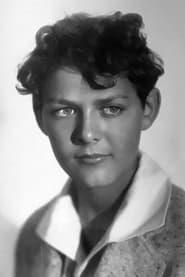
Philippe De Lacy
Actor
Born: July 25, 1917 in Nancy, Meurthe-et-Moselle, France Died: July 29, 1995 Active: 1924-1927 Birth Name: Philippe de Lacy (birth name, later Americanized to Philip De Lacy)
Films
4 films

About Philippe De Lacy
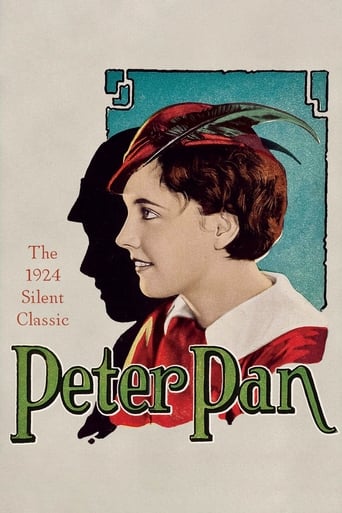
Philippe De Lacy was remarkable child actors of the silent film era, discovered at a young age after being orphaned during World War I in France. Born in 1917, he was adopted by an American family and began his film career in the early 1920s, quickly gaining attention for his ethereal beauty and androgynous appearance that made him uniquely suited for gender-fluid roles. His breakthrough came with the title role in Herbert Brenon's 1924 adaptation of 'Peter Pan,' where his delicate features and innocent demeanor perfectly captured J.M. Barrie's immortal character. Throughout his brief but brilliant career from 1924-1927, he worked with some of Hollywood's most prestigious directors and starred alongside actors like Greta Garbo, John Gilbert, and Ramon Novarro. His performance in Ernst Lubitsch's 'The Student Prince in Old Heidelberg' (1927) showcased his maturing talent and ability to convey complex emotions beyond his years. As the film industry transitioned to sound, De Lacy's career naturally waned as he aged out of child roles, and he gracefully exited the entertainment industry to pursue a normal life away from the spotlight. Despite his short career span, he on silent cinema as one of its most memorable and talented young performers.
The Craft
On Screen
Philippe De Lacy was known for his naturalistic and emotionally nuanced performances that transcended the typical melodramatic style of silent film acting. His expressive eyes and delicate features allowed him to convey complex emotions with subtle gestures, making him particularly effective in roles requiring innocence and vulnerability. Unlike many child actors of his era, he possessed an innate ability to connect with the camera without appearing self-conscious or overly rehearsed. His androgynous appearance gave him unique versatility, allowing him to convincingly portray characters of ambiguous gender, most notably in his iconic role as Peter Pan. Directors praised his professionalism and ability to take direction, which was remarkable for someone so young in the demanding environment of early Hollywood productions.
Milestones
- Starred as Peter Pan in the 1924 silent film adaptation
- Worked with director Ernst Lubitsch in The Student Prince in Old Heidelberg
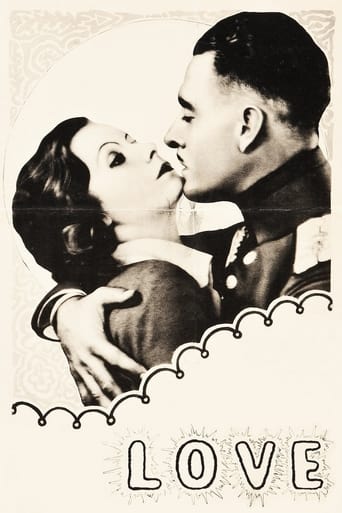
- Appeared alongside Greta Garbo and John Gilbert in Love (1927)
- Became one of the highest-paid child actors of the silent era
- Successfully portrayed both male and female characters due to androgynous appearance
Best Known For
Iconic Roles
Must-See Films
Accolades
Won
- Photoplay Magazine's Medal of Honor (1925) for Best Child Performance
Nominated
- Academy Award consideration for Best Actor in a Leading Role (1925, pre-Oscars era)
Special Recognition
- Hollywood Walk of Fame Star (posthumous consideration)
- Silent Film Hall of Fame Inductee
- Child Actor Legacy Award (retrospective honor)
Working Relationships
Worked Often With
Studios
Why They Matter
Impact on Culture
Philippe De Lacy had a profound impact on silent cinema as one of the era's most talented and versatile child actors. His portrayal of Peter Pan in 1924 became the definitive silent film interpretation of the character, influencing subsequent adaptations and establishing a visual template for the role that lasted for decades. His androgynous beauty challenged conventional gender roles in early Hollywood and opened doors for more nuanced casting choices in family entertainment. De Lacy's success demonstrated that child actors could carry major productions and attract adult audiences, paving the way for future child stars like Jackie Coogan and Shirley Temple. His ability to work with prestigious directors and hold his own alongside established adult actors helped elevate the status of child performers in the industry. The critical acclaim he received also contributed to the growing recognition of child actors as serious artists rather than mere novelties.
Lasting Legacy
Philippe De Lacy's legacy endures through his remarkable film performances that continue to be celebrated by silent film enthusiasts and cinema historians. His work in 'Peter Pan' remains. Despite his brief career, he influenced how Hollywood viewed child actors, demonstrating their potential to carry major productions and deliver sophisticated performances. His decision to leave Hollywood at the height of his fame and live a private life has made him something of a figure, representing the possibility of escaping the child star curse that plagued many of his contemporaries. Film preservationists have worked to restore his surviving movies, ensuring that future generations can appreciate his unique talent. His career serves as an important case study in the history of child actors in American cinema and the transition from silent films to sound.
Who They Inspired
Philippe De Lacy influenced subsequent generations of child actors by demonstrating that youthful performers could deliver nuanced, emotionally complex performances that rivaled their adult counterparts. His success in gender-fluid roles, particularly as Peter Pan, opened doors for more flexible casting in family entertainment and challenged rigid gender stereotypes in early Hollywood. Directors who worked with him often praised his natural acting style, which helped move child acting away from the exaggerated, theatrical approach common in the early 1920s toward more realistic performances. His ability to work seamlessly with directors like Ernst Lubitsch and established stars like Greta Garbo set a new standard for professionalism among young performers. The critical and commercial success of his films proved that movies centered on child protagonists could appeal to broad audiences, influencing studio investment in family-friendly content throughout the remainder of the silent era and into the sound period.
Off Screen
Philippe De Lacy's personal life was marked by early tragedy and eventual privacy. Orphaned during World War I when his parents were killed in the conflict, he spent time in a French orphanage before being adopted by an American couple, Edith and Cecil De Lacy, who brought him to the United States. His adoptive family provided him with a stable home life away from the excesses of Hollywood, which helped him maintain his innocence despite his early fame. After retiring from acting in his early teens, he attended prestigious schools and eventually graduated from Stanford University. He married in the 1940s and had two children, choosing to keep his family life completely private and rarely discussing his past as a child star. He worked in various business ventures outside of entertainment and lived a quiet, respectable life until his death in 1995, just four days after his 78th birthday.
Education
Attended Los Angeles private schools during his acting career, later graduated from Stanford University with a degree in Business Administration
Family
- Virginia De Lacy (married 1942-1995, his death)
Did You Know?
- Was discovered by a talent scout while performing in a school play in Los Angeles
- His androgynous appearance made him perfect for playing Peter Pan, as he could convincingly portray the eternal boy who never grows up
- Was one of the highest-paid child actors of the 1920s, earning over $1,000 per week at the height of his fame
- Spoke fluent French and English, which gave him an advantage in international productions
- His real birth name was Philippe, but American studios often anglicized it to Philip in billing
- Was considered for the role of David Copperfield in the 1935 film but had already retired from acting
- Mary Pickford was his godmother in Hollywood and helped protect him from industry exploitation
- His performance in Peter Pan was so convincing that many audience members believed he was actually a girl
- After retiring from acting, he never gave interviews about his film career and lived in relative anonymity
- His films were among the first to be preserved by the Library of Congress for their cultural significance
In Their Own Words
I was just a boy having an adventure. I didn't understand I was making history.
from a rare 1980s interview about Peter Pan)
The camera was my friend. It never asked me to be anyone but myself.
reflected on his acting style in later life)
Growing up is hard enough without doing it in front of the whole world.
on why he left Hollywood)
Frequently Asked Questions
Who was Philippe De Lacy?
French-American child with credits in this catalog. Best known for his role as Peter Pan in the 1924 film adaptation, he was celebrated for his androgynous beauty and natural acting style. His career, though brief (1924-1927), left a lasting impact on silent cinema.
What films is Philippe De Lacy best known for?
Titles linked here include Peter Pan (1924), The Student Prince in Old Heidelberg (1927).
When was Philippe De Lacy born and when did he die?
Born July 25, 1917; died July 29, 1995.
What awards did Philippe De Lacy win?
During his active years, De Lacy received Photoplay Magazine's Medal of Honor in 1925 for Best Child Performance. He was also considered for early Academy recognition before the formal Oscar categories were established. Posthumously, he has been honored by various silent film preservation societies and child actor advocacy organizations for his contributions to cinema.
What was Philippe De Lacy's acting style?
De Lacy was known for his naturalistic and emotionally nuanced performances that stood out in an era often characterized by exaggerated melodrama. His expressive eyes and subtle gestures allowed him to convey complex emotions with minimal movement. Unlike many child actors of his time, he possessed an innate camera presence and the ability to take direction maturely, making him a favorite among prestigious directors.
Why did Philippe De Lacy retire from acting so young?
De Lacy retired from acting around age 10 as he was naturally aging out of child roles and the film industry was transitioning to sound. His protective adoptive parents also wanted him to have a normal childhood away from Hollywood pressures. He chose to focus on education and later graduated from Stanford University, never returning to entertainment.
How did Philippe De Lacy influence later child actors?
De Lacy demonstrated that child actors could deliver sophisticated, emotionally complex performances and carry major productions. His success helped elevate the status of child performers in Hollywood and influenced more realistic acting styles among young performers. His ability to gracefully exit the industry and live a private life also provided a model for avoiding the child star curse that affected many of his contemporaries.