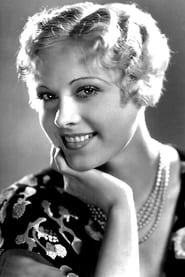
Esther Ralston
Actor
Born: September 17, 1902 in Bar Harbor, Maine, USA Died: January 14, 1994 Active: 1915-1962 (film), 1950s-1960s (television) Birth Name: Esther Louise Worth
Films
8 films
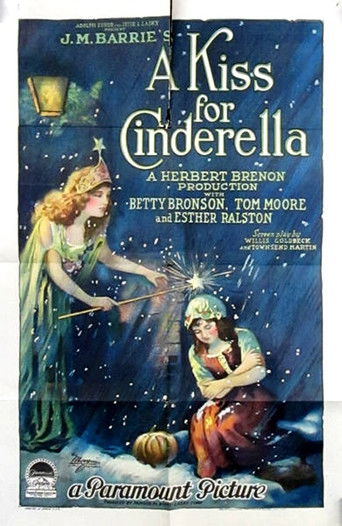
About Esther Ralston
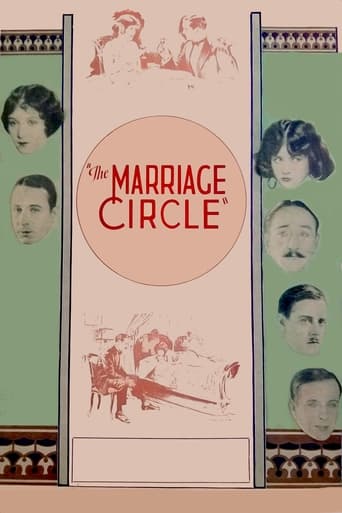
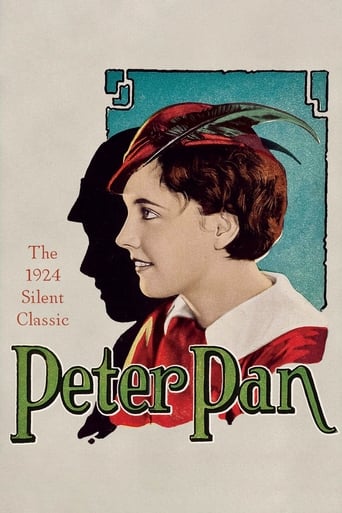
Esther Ralston was prominent actresses of the silent film era, beginning her career as a child performer in vaudeville before transitioning to films in her teens. She rose to stardom in the early 1920s with her luminous screen presence and natural acting style, becoming one of Paramount Pictures' most valuable assets during the mid-1920s. Her breakthrough came with Ernst Lubitsch's sophisticated comedy 'The Marriage Circle' (1924), followed by her memorable portrayal of Mrs. Darling in the first film adaptation of 'Peter Pan' (1924). Ralston successfully navigated the transition to sound films in the late 1920s, though her career began to wane as she entered her thirties and the studio system evolved. By the early 1930s, she had largely retired from major studio films, though she continued to appear in smaller roles and B-pictures. After leaving Hollywood, Ralston found success in radio and television, eventually becoming a beloved television personality in Portland, Oregon. Her multiple eras of cinema, from silent films to the dawn of television, making her a unique bridge between classic Hollywood and modern media.
The Craft
On Screen
Esther Ralston was known for her natural, understated acting style that contrasted with the more theatrical performances common in silent cinema. She possessed a luminous screen presence and an ability to convey subtle emotions through her expressive eyes and gentle demeanor. Her performances were characterized by a warmth and sincerity that made her particularly effective in maternal roles and romantic comedies. In talkies, her clear, well-modulated voice and natural delivery helped her transition smoothly from silent films, though she maintained the delicate, graceful quality that had made her a silent film star.
Milestones
- Child vaudeville performer with her family's traveling show
- Signed with Paramount Pictures in 1923
- Starred in Ernst Lubitsch's 'The Marriage Circle' (1924)
- Played Mrs. Darling in 'Peter Pan' (1924)
- Named one of WAMPAS Baby Stars in 1924
- Successfully transitioned to talkies in late 1920s
- Became popular television host in Portland, Oregon in 1950s
- Published autobiography 'Some Memories and a Few Confessions' in 1985
Best Known For
Iconic Roles
Must-See Films
Accolades
Won
- WAMPAS Baby Star (1924)
Special Recognition
- Hollywood Walk of Fame star (6606 Hollywood Boulevard)
- Named one of the 10 most beautiful women in films by Photoplay magazine (multiple years)
Working Relationships
Worked Often With
Studios
Why They Matter
Impact on Culture
Esther Ralston represented the ideal of sophisticated, elegant womanhood during the Jazz Age, embodying the transition from Victorian modesty to modern independence. Her performances in films like 'The Marriage Circle' helped establish the sophisticated comedy genre that would become a staple of Hollywood cinema. As one of the few actresses who successfully transitioned from child performer to adult star, she paved the way for future actresses to have longer, more varied careers. Her portrayal of Mrs. Darling in 'Peter Pan' created the template for how this character would be interpreted in subsequent adaptations. Later in life, her successful transition to television demonstrated the adaptability of classic Hollywood performers to new media.
Lasting Legacy
Esther Ralston's legacy lies in her contributions to the sophisticated comedy genre of the 1920s and her role in defining maternal archetypes in early cinema. Her performances in films directed by Ernst Lubitsch helped establish the 'Lubitsch touch' as a significant cinematic style. Her successful transition from silent films to talkies, while not as celebrated as some of her contemporaries, demonstrated professionalism and adaptability that many stars of her era lacked. Her later career in regional television showed how classic Hollywood stars could find new audiences and relevance in the changing media landscape of the 1950s and 1960s. Her autobiography provides valuable insights into the Hollywood studio system and the challenges faced by actresses as they aged.
Who They Inspired
Ralston influenced subsequent generations of actresses through her natural acting style, which contrasted with the theatrical approach common in silent cinema. Her ability to convey complex emotions with subtlety and grace inspired actresses in the sound era to adopt more realistic performances. Her business acumen and financial independence served as a model for performers seeking control over their careers and finances. Her successful transition to television demonstrated the potential for classic film stars to adapt to new media formats, influencing how later Hollywood personalities approached career longevity.
Off Screen
Esther Ralston's personal life was marked by three marriages and a complex relationship with Hollywood fame. She married her first husband, newspaperman George Webb, in 1926, but the marriage ended in divorce in 1934. Her second marriage to radio executive Will Morgan in 1935 proved more stable, lasting until his death in 1961. In 1969, she married Lloyd Kenyon Jones, a former radio announcer, with whom she spent her remaining years. Despite her early success in Hollywood, Ralston found greater happiness in her later life away from the film industry, embracing a quieter existence in the Pacific Northwest. She was known for her intelligence and business acumen, having invested wisely during her peak earning years, which allowed her financial independence in her later years.
Education
Limited formal education due to early career in vaudeville and films, though she was known to be well-read and self-educated throughout her life
Family
- George Webb (1926-1934)
- Will Morgan (1935-1961)
- Lloyd Kenyon Jones (1969-1994)
Did You Know?
- Began her career at age 2 in her family's vaudeville act called 'The Ralston Family'
- Was nicknamed 'The American Venus' after starring in the 1926 film of the same name
- Was one of the first actresses to successfully negotiate her own contracts with studios
- Her salary peaked at $3,000 per week in 1926 (equivalent to over $50,000 today)
- Owned and operated a successful restaurant in Hollywood during the 1930s
- Was a skilled pilot and owned her own airplane in the late 1920s
- Turned down the lead role in 'It' (1927), which made Clara Bow a star
- Her daughter Mary Judith appeared in a few films as a child actress
- Was a founding member of the Hollywood Anti-Nazi League in the 1930s
- In her later years, she hosted a popular children's television show in Portland called 'The Esther Ralston Show'
In Their Own Words
In those days, we didn't have acting coaches. We learned by doing, by watching, by feeling. The camera was our teacher, and it was a very strict one.
Hollywood was a wonderful place for a young woman in the 1920s, if you had your head on straight. I was lucky - I had my mother to keep me grounded.
The transition to sound wasn't as difficult for me as it was for some others. I had a good voice and I came from the theater, so speaking was natural to me.
I never regretted leaving Hollywood when I did. I had a wonderful career, but there's more to life than being a movie star.
Frequently Asked Questions
Who was Esther Ralston?
Prominent American actress of the silent film era and early talkies, best known for her work with Paramount Pictures in the 1920s. She began as a child performer in vaudeville before becoming a major Hollywood star, appearing in films like 'Peter Pan' and 'The Marriage Circle.' Later in life, she found success as a television personality in Portland, Oregon.
What films is Esther Ralston best known for?
Titles linked here include Peter Pan (1924), The Marriage Circle (1924).
When was Esther Ralston born and when did she die?
Born September 17, 1902; died January 14, 1994.
What awards did Esther Ralston win?
Esther Ralston was named one of the WAMPAS Baby Stars in 1924, an annual honor recognizing promising young actresses. She also received a star on the Hollywood Walk of Fame and was frequently named.
What was Esther Ralston's acting style?
Esther Ralston was known for her natural, understated acting style that contrasted with the more theatrical performances common in silent cinema. She possessed a luminous screen presence and specialized in conveying subtle emotions through her expressive eyes and gentle demeanor, making her particularly effective in sophisticated comedies and maternal roles.
Did Esther Ralston successfully transition to sound films?
Yes, Esther Ralston successfully transitioned to sound films in the late 1920s, unlike many of her silent film contemporaries. Her clear, well-modulated voice and natural delivery helped her maintain her career, though her stardom gradually diminished as she entered her thirties and the studio system evolved.
What happened to Esther Ralston after her film career ended?
After her film career declined in the early 1930s, Esther Ralston moved to the Pacific Northwest where she found success in radio and later television. She hosted a popular children's television show in Portland, Oregon, during the 1950s and 1960s, becoming a beloved local personality. She also published her autobiography 'Some Memories and a Few Confessions' in 1985.