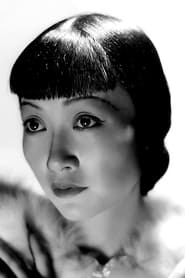
Anna May Wong
Actor
Born: January 3, 1905 in Los Angeles, California, USA Died: February 3, 1961 Active: 1919-1960 Birth Name: Wong Liu Tsong
Films
10 films

About Anna May Wong
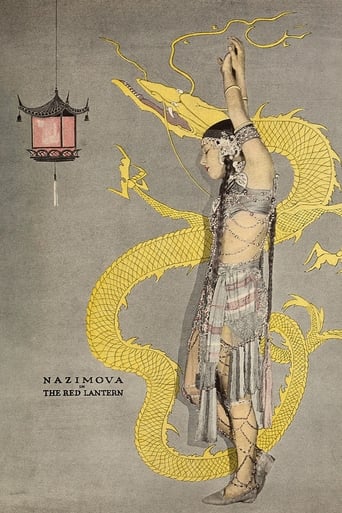
Anna May Wong was born Wong Liu Tsong in Los Angeles in 1905 to second-generation Chinese-American parents. She began her film career as an extra in 1919's 'The Red Lantern' at age 14 and quickly rose to prominence, becoming the first Chinese-American movie star in Hollywood. Despite her talent and popularity, she faced significant discrimination in Hollywood, often being passed over for leading roles in favor of white actresses in yellowface. Frustrated by American limitations, she traveled to Europe in 1928 where she found greater artistic freedom and critical acclaim, starring in successful British and German films. She returned to Hollywood in the 1930s and continued her career through the 1940s and 1950s, though she continued to face typecasting in exotic 'dragon lady' roles. She was a trailblazer who fought against racial stereotypes and paved the way for future Asian-American performers, becoming an international style icon and cultural ambassador. Her over four decades, during which she appeared in more than 60 films across silent, sound, and television mediums.
The Craft
On Screen
Anna May Wong developed a subtle, nuanced acting style that combined traditional Chinese theatrical techniques with modern film performance methods. Her expressive eyes and graceful movements became her signature, allowing her to convey deep emotion even in silent films. She mastered the art of understated performance, using minimal gestures to maximum effect, which was particularly effective in her exotic and mysterious roles. Despite being typecast, she brought depth and humanity to characters that were often written as one-dimensional stereotypes. Her transition to sound films was seamless, and she developed a sophisticated, cosmopolitan screen presence that appealed to international audiences.
Milestones
- First Chinese-American movie star in Hollywood
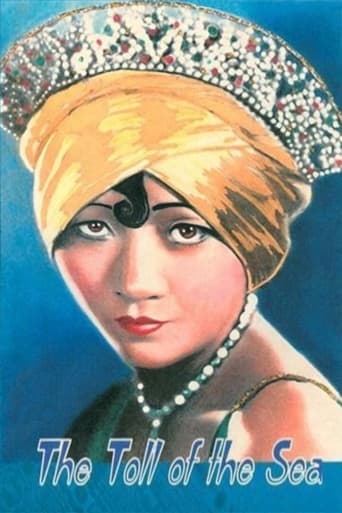
- Starred in 'The Toll of the Sea' (1922), one of the first Technicolor films
- Achieved international acclaim in European films during late 1920s
- Leading role in 'Daughter of the Dragon' (1931) opposite Warner Oland
- Co-starred with Marlene Dietrich in 'Shanghai Express' (1932)
- First Asian-American to lead a US television series with 'The Gallery of Madame Liu-Tsong' (1951)
- Received a star on the Hollywood Walk of Fame in 1960
- Posthumously featured on US quarter dollar coin in 2022 as part of American Women Quarters Program
Best Known For
Iconic Roles
Must-See Films
Accolades
Won
- Hollywood Walk of Fame Star (1960)
- Asian Pacific American Heritage Award (posthumous)
- Women in Film Crystal Award (posthumous)
Nominated
- Academy Award nomination consideration for 'The Toll of the Sea' (1922) - though not officially nominated in the first year of Oscars
- Considered for Best Actress Oscar for 'The Story of a Poor Young Man' (1933) in early discussions
Special Recognition
- Hollywood Walk of Fame Star at 1708 Vine Street
- Featured on US quarter dollar coin as part of 2022 American Women Quarters Program
- Inducted into the National Women's Hall of Fame (2023)
- Google Doodle featured on her 108th birthday (2013)
- Anna May Wong Award established by Asian American Arts Foundation
- U.S. Postal Service commemorative stamp (2022)
Working Relationships
Worked Often With
Studios
Why They Matter
Impact on Culture
Groundbreaking figure who challenged Hollywood's racial barriers and stereotypes. As the first Chinese-American movie star, she opened doors for Asian representation in American cinema, though she constantly fought against limiting typecasting. Her international success demonstrated the global appeal of diverse stories and performers. She became a fashion icon whose style influenced Western perceptions of Asian aesthetics. Her career highlighted the systemic racism in Hollywood and sparked important conversations about representation that continue today. She used her platform to advocate for better roles for Asian actors and refused to accept demeaning stereotypes, even when it meant losing opportunities. Her legacy as a cultural bridge between East and West helped pave the way for greater diversity in entertainment.
Lasting Legacy
Anna May Wong's legacy endures as a symbol of resilience and artistic integrity in the face of discrimination. She is remembered as a figure who fought against Hollywood's racist practices and opened doors for future generations of Asian-American performers. Her films continue to be studied for their artistic merit and cultural significance. In recent years, there has been a major reassessment of her contributions to cinema, with film historians recognizing her as. Her inclusion on the 2022 quarter dollar coin represents official recognition of her importance to American cultural history. The Anna May Wong Award continues to honor excellence in Asian-American arts and media. Her story has inspired books, documentaries, and academic studies that explore themes of identity, representation, and artistic integrity.
Who They Inspired
Anna May Wong influenced generations of Asian-American actors and filmmakers who followed in her footsteps. Her dignified portrayal of Asian characters, despite limited opportunities, set a standard for authenticity that inspired performers like Keye Luke, Philip Ahn, and later, Bruce Lee. Her international career demonstrated that Asian performers could achieve global stardom, encouraging later stars like Jackie Chan and Zhang Ziyi. Her fight against typecasting and discrimination inspired civil rights activism within the entertainment industry. Contemporary Asian-American actresses like Lucy Liu, Constance Wu, and Sandra Oh have cited her as a trailblazer who made their careers possible. Her influence extends beyond acting to fashion, where her elegant style continues to inspire designers, and to cultural studies, where her life is examined as a case study of immigrant experience and racial politics in America.
Off Screen
Anna May Wong never married, though she had several high-profile relationships including an engagement with director Marshall Neilan that ended due to anti-miscegenation laws. She was deeply devoted to her family, particularly her father who initially opposed her acting career but later became her business manager. She was a fashion icon known for her elegant style and became a cultural ambassador, traveling extensively in Asia. She spoke fluent Chinese and was proud of her heritage, working to bridge Eastern and Western cultures. In her later years, she struggled with health issues including heart problems and died of a heart attack at age 56. She left her estate to her sister and supported various charitable causes throughout her life.
Education
Attended Los Angeles High School but dropped out to pursue acting career. Later studied French and German during her time in Europe, and took acting classes in London and Berlin to refine her craft.
Did You Know?
- Her stage name 'Anna May' was suggested by a studio executive who thought her birth name was too difficult for American audiences
- She was the first Chinese-American to receive a star on the Hollywood Walk of Fame
- She was a skilled photographer and often documented her travels
- She spoke fluent Cantonese, English, French, and German
- She was offered the lead role in 'The Good Earth' (1937) but it went to Luise Rainer in yellowface
- She owned and operated her own restaurant, 'The Lotus Garden', in Hollywood
- She was a close friend of Marlene Dietrich and reportedly had an affair with her
- She was a fashion icon whose style was copied by designers worldwide
- She was the first Asian-American to be featured on US currency (2022 quarter)
- She was a licensed pilot and loved flying
- She was a founding member of the Screen Actors Guild
- She turned down roles that required her to perpetuate negative stereotypes
In Their Own Words
"I see no reason why the Chinese cannot be portrayed like anybody else in the world, with dignity and respect."
"I was so tired of the parts I had to play. Why is it that the screen Chinese is always the villain? And so crude a villain—murderous, treacherous, a snake in the grass!"
"I am Chinese by blood and American by birth. I have a right to be both."
When I die, my epitaph should be: I died a thousand times. That's what I did in the movies.",
I want to be a star, not a star of the Chinese ghetto, but a star of the world."
"I think I left the screen because I was tired of the roles I had to play. I am through with playing the exotic. I want to play a woman, not a Chinese woman."
Frequently Asked Questions
Who was Anna May Wong?
Anna May Wong was the first Chinese-American movie star in Hollywood, becoming an international film icon during the 1920s-1940s. She broke racial barriers in cinema while fighting against typecasting and discrimination in the film industry.
What films is Anna May Wong best known for?
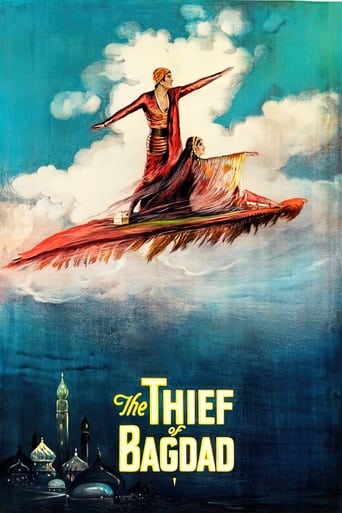
Titles linked here include The Toll of the Sea (1922), The Thief of Bagdad (1924).
When was Anna May Wong born and when did she die?
Born January 3, 1905; died February 3, 1961.
What awards did Anna May Wong win?
She received a star on the Hollywood Walk of Fame in 1960, was inducted into the National Women's Hall of Fame in 2023, and was featured on the 2022 US quarter dollar coin. She also received posthumous Asian Pacific American Heritage and Women in Film awards.
What was Anna May Wong's acting style?
Wong developed a subtle, nuanced acting style combining traditional Chinese theatrical techniques with modern film performance. She was known for her expressive eyes, graceful movements, and ability to convey deep emotion through minimal gestures.
How did Anna May Wong impact Hollywood?
She broke racial barriers as the first Chinese-American movie star, fought against typecasting, and opened doors for future Asian-American performers. Her career highlighted Hollywood's systemic racism and sparked important conversations about representation.
Why was Anna May Wong passed over for 'The Good Earth'?
Despite being perfect for the lead role in 'The Good Earth,' studio executives refused to cast her due to anti-miscegenation laws that prohibited her from romantic scenes with white actors. The role went to Luise Rainer in yellowface, sparking controversy.
What was Anna May Wong's real name?
Her birth name was Wong Liu Tsong, which means 'Frosted Yellow Willows' in Chinese. She adopted 'Anna May' as her stage name at the suggestion of studio executives.