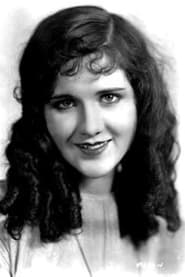
Mary Brian
Actor
Born: February 17, 1906 in Corsicana, Texas, USA Died: December 30, 2002 Active: 1924-1947 Birth Name: Louise Byrdie Dantzler
Films
7 films
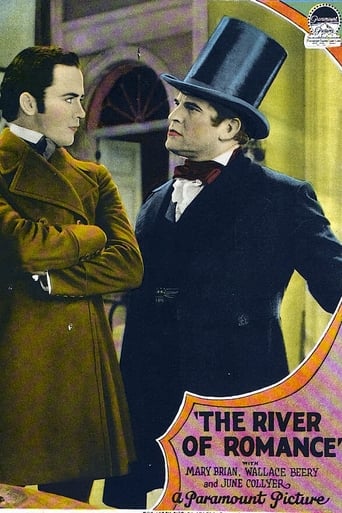
About Mary Brian
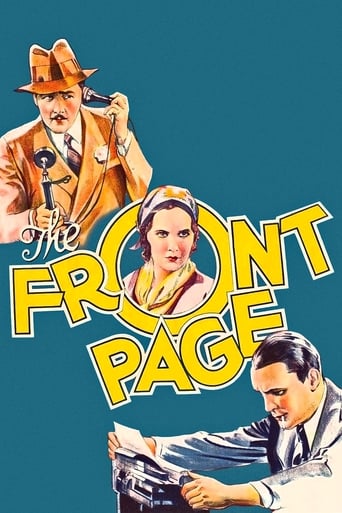
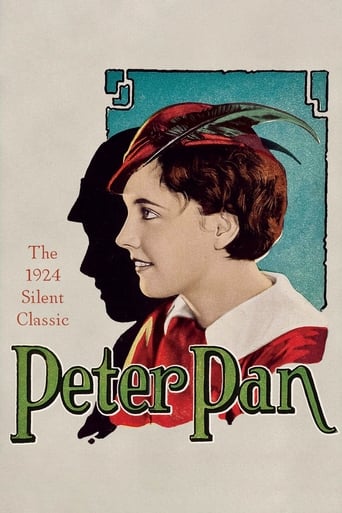
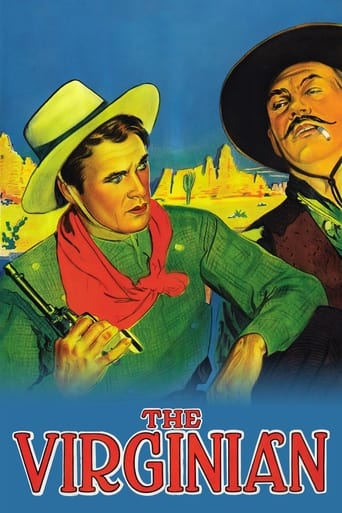
Mary Brian, born Louise Byrdie Dantzler, was an American actress who rose to prominence during the silent film era after winning a beauty contest in Dallas, Texas, which led to a Paramount Pictures contract. She made her film debut in the 1924 silent adaptation of 'Peter Pan' as Wendy Darling, establishing herself as a promising young talent. Brian successfully navigated the challenging transition from silent films to talkies, demonstrating versatility and adaptability that many of her contemporaries lacked. Throughout the late 1920s and early 1930s, she appeared in numerous notable films including 'The Virginian' (1929) opposite Gary Cooper, 'The Front Page' (1931), and 'The Amazing Quest of Ernest Bliss' (1936). Known for her wholesome screen presence and natural acting style, she was often cast as the girl-next-door type. Her career gradually declined by the late 1930s, though she continued appearing in films sporadically until 1947. After retiring from acting, she worked various jobs including real estate and hospital reception, living a quiet life until her death at age 96 in 2002.
The Craft
On Screen
Natural and understated with an authentic emotional quality, particularly effective in conveying feelings without dialogue in silent films. Brian possessed a wholesome screen presence that made her ideal for girl-next-door roles. Her acting technique emphasized subtlety over melodrama, which served her well during the transition to sound films where her natural delivery didn't seem artificial. She had a particular talent for portraying both innocence and underlying strength in her characters.
Milestones
- Film debut as Wendy in Peter Pan (1924)
- Named one of WAMPAS Baby Stars (1926)
- Successful transition to talkies with The Virginian (1929)
- Starred in acclaimed film The Front Page (1931)
- Received Hollywood Walk of Fame star (1960)
Best Known For
Iconic Roles
Must-See Films
Accolades
Special Recognition
- Hollywood Walk of Fame star (1960)
- WAMPAS Baby Star (1926)
Working Relationships
Worked Often With
Studios
Why They Matter
Impact on Culture
Mary Brian represented the ideal of wholesome American womanhood during Hollywood's transitional period from silent films to talkies. Her successful adaptation to sound cinema helped demonstrate that silent film stars could thrive in the new medium, challenging industry skepticism about actors' ability to transition. Her role in 'The Virginian' contributed to establishing the template for female leads in early sound westerns, blending traditional femininity with the strength required by frontier settings. As one of the few actresses who successfully maintained her career through the technological revolution in cinema, she served as a model for adaptability in an industry undergoing rapid transformation.
Lasting Legacy
Though not as widely remembered today as some of her more famous contemporaries, Mary Brian left a significant mark on early Hollywood cinema. Her performance as Wendy in 'Peter Pan' remains.M. Barrie's creation with remarkable authenticity. Her career trajectory—from beauty contest winner to successful film actress to transition survivor—exemplifies the opportunities and challenges faced by women in early Hollywood. The longevity of her life (96 years) made her one of the last surviving links to the silent era, and in her later years, she served as a living repository of film history for researchers and historians.
Who They Inspired
While not extensively documented as a major influence on subsequent generations of actors, Mary Brian's natural acting style and successful career transition influenced how studios and audiences perceived the potential of silent film stars in the talkie era. Her understated approach to performance, which avoided the exaggerated gestures common in silent films, presaged the more naturalistic acting style that would become standard in sound cinema. Her ability to maintain her career through the technological revolution provided a template for adaptability that other actors could follow, demonstrating that success in one medium did not preclude success in another.
Off Screen
Mary Brian led a relatively quiet personal life marked by three marriages but no children. Her first marriage was to artist Jon Whitcomb in 1928, which ended in divorce after just two years. She then married film editor George Tomasini in 1934, but this marriage also ended in divorce in 1941. Her final and longest marriage was to James W. Sponable in 1947, which lasted until his death in 1975. After retiring from acting, Brian worked various jobs including as a real estate agent and later as a hospital receptionist. She spent her later years in Del Mar, California, living quietly until her death at age 96.
Education
Attended public schools in Corsicana, Texas; no formal dramatic training or college education documented
Family
- Jon Whitcomb (1928-1930)
- George Tomasini (1934-1941)
- James W. Sponable (1947-1975)
Did You Know?
- Won a Dallas beauty contest which led to her discovery by Paramount Pictures
- Birth name was Louise Byrdie Dantzler
- Nicknamed 'The Sweetest Girl in Pictures' by Paramount Studios
- Successfully transitioned from silent films to talkies when many contemporaries failed
- Role in Peter Pan (1924) was her film debut
- Named one of the WAMPAS Baby Stars of 1926
- Worked as a real estate agent after retiring from acting
- Lived to be 96 years old, outliving most silent era contemporaries
- Final film appearance was in Dragnet (1947)
- Received Hollywood Walk of Fame star in 1960 at 6247 Hollywood Boulevard
- Never had children despite three marriages
- Was an accomplished horseback rider, which helped in western roles
In Their Own Words
I was never a great star, but I was a good actress and I had a wonderful time.
The transition to sound wasn't as difficult for me as it was for some others. I had a decent voice and I had always tried to be natural in my acting.
Being Wendy in Peter Pan was the most wonderful experience for a young actress just starting out.
Frequently Asked Questions
Who was Mary Brian?
American actress who rose to fame during the silent film era in the 1920s. She is best remembered for her role as Wendy Darling in the 1924 film 'Peter Pan' and for successfully transitioning to talkies, appearing in films like 'The Virginian' and 'The Front Page' throughout the 1930s.
What films is Mary Brian best known for?
Titles linked here include Peter Pan (1924), The Virginian (1929).
When was Mary Brian born and when did she die?
Born February 17, 1906; died December 30, 2002.
What awards did Mary Brian win?
While Mary Brian didn't receive major acting awards during her career, she was selected as one of the WAMPAS Baby Stars of 1926, an honor given to promising young actresses. She also received a star on the Hollywood Walk of Fame in 1960 in recognition of her contributions to film.
What was Mary Brian's acting style?
Mary Brian was known for her natural and understated acting style, which emphasized authenticity over melodrama. Her wholesome screen presence and emotional subtlety made her particularly effective in silent films and served her well during the transition to talkies, where her natural delivery didn't seem artificial as it did for some of her contemporaries.
How did Mary Brian get discovered?
Mary Brian was discovered after winning a beauty contest in Dallas, Texas. This victory led to a screen test and subsequent contract with Paramount Pictures, launching her film career with her debut role as Wendy in 'Peter Pan' (1924).
What happened to Mary Brian's career after the 1930s?
Mary Brian's career gradually declined in the late 1930s as she aged out of the ingénue roles that had made her famous. She made her final film appearance in 1947's 'Dragnet' and subsequently retired from acting, working various jobs including real estate and as a hospital receptionist.