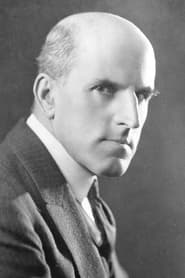
Gustav von Seyffertitz
Actor
Born: August 4, 1862 in Thorn, West Prussia, Kingdom of Prussia (now Toruń, Poland) Died: December 25, 1943 Active: 1917-1934
Films
14 films


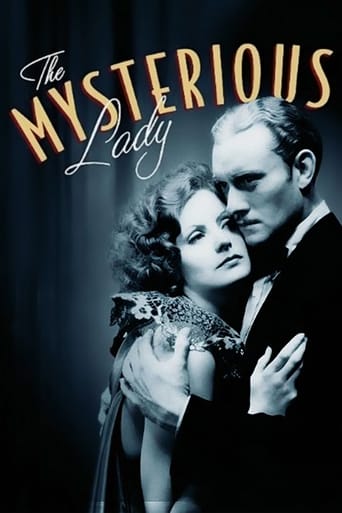
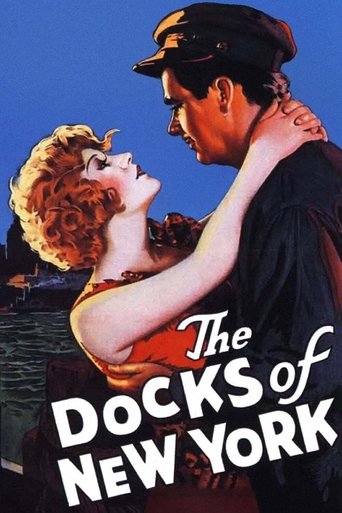
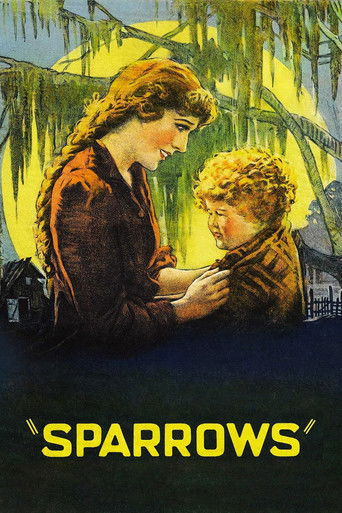

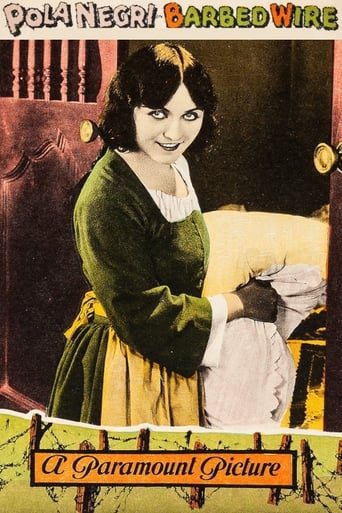
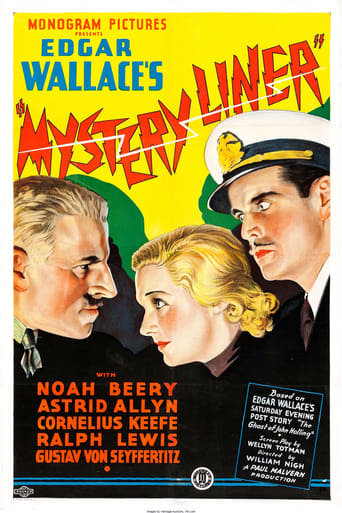

About Gustav von Seyffertitz
German-American actor and director who menaced leads in The Man Who Laughs (1928) and dozens of Universal horror features. Born into German nobility, he began his career on the European stage before emigrating to the United States in the early 1910s. He made his film debut in 1917 and quickly established himself as a versatile villain, often playing aristocratic antagonists, mad scientists, and foreign dignitaries in over 200 films. His distinctive appearance, complete with piercing eyes and a commanding presence, made him a favorite among directors seeking memorable antagonists. During the transition to sound films, his German accent proved advantageous for playing foreign characters, and he continued working steadily through the early 1930s. Beyond acting, he also directed several films in the 1920s, though his acting career remained his primary focus. He retired from films in the mid-1930s and spent his later years in California, leaving behind a legacy as one of cinema's most prolific character actors.
The Craft
On Screen
Known for his commanding screen presence and intense, theatrical style honed from his stage background. Seyffertitz specialized in playing villains and antagonists with a distinctive European flair, using his aristocratic bearing and piercing gaze to create memorable characters. His acting was characterized by exaggerated gestures and facial expressions typical of the silent era, which translated effectively to his sound film roles where his German accent added authenticity to foreign characters.
Milestones
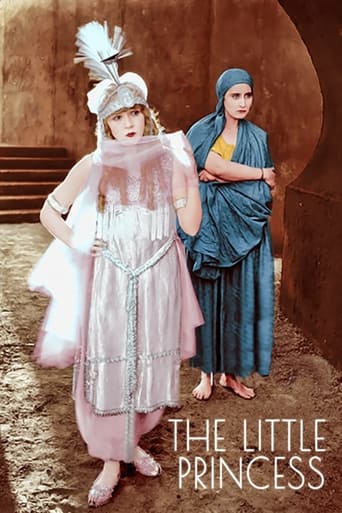
- Film debut in 'A Little Princess' (1917)
- Breakthrough role in 'Stella Maris' (1918)
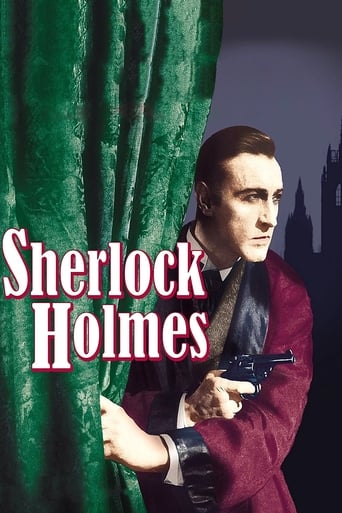
- Memorable performance as Professor Moriarty in 'Sherlock Holmes' (1922)
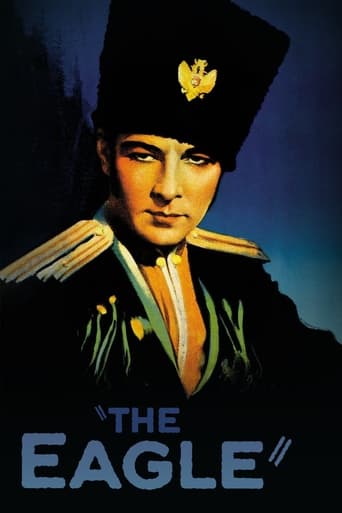
- Critical acclaim in 'The Eagle' (1925) opposite Rudolph Valentino
- Successful transition to sound films in early 1930s
- Directed several silent films in the 1920s
- Appeared in over 200 films during his career
Best Known For
Iconic Roles
Must-See Films
Accolades
Special Recognition
- Star on the Hollywood Walk of Fame (for contributions to motion pictures)
Working Relationships
Worked Often With
Studios
Why They Matter
Impact on Culture
Gustav von Seyffertitz helped establish the archetype of the European villain in American cinema, paving the way for generations of foreign-born character actors. His ability to convey menace and sophistication simultaneously created a template for aristocratic antagonists that would be emulated for decades. During World War I and II, his German heritage made him a valuable asset for portraying complex foreign characters, helping to humanize or vilify German figures as required by the narrative. His extensive filmography provides a comprehensive record of character acting techniques from the silent era through the transition to sound.
Lasting Legacy
Seyffertitz left an indelible mark on Hollywood as. His work serves as a masterclass in silent film acting and the challenges of transitioning to sound cinema. Film historians often cite him as an example of how European theatrical training influenced American cinema, particularly in the development of the character actor as a specialized craft. His performances continue to be studied by actors and scholars interested in the evolution of screen acting techniques.
Who They Inspired
Seyffertitz influenced subsequent generations of character actors, particularly those specializing in villainous or foreign roles. His technique of combining physical presence with nuanced character study became a model for actors like Peter Lorre, Conrad Veidt, and later, Christopher Lee. His successful career demonstrated the value of specialized character actors in supporting leading stars, helping establish the importance of character actors in Hollywood's studio system.
Off Screen
Gustav von Seyffertitz was born into Prussian nobility, which influenced his aristocratic screen persona. He married actress Frances Rose in 1915, and they had one child together. The family settled in Hollywood, where they became part of the German-American film community. Despite his villainous screen roles, contemporaries described him as a gentleman off-screen with a dry wit and intellectual demeanor. He was known for his love of classical music and literature, maintaining his European cultural connections throughout his life in America.
Education
Educated in European schools and universities; studied acting at prestigious German theater academies; trained in classical theater and opera before transitioning to film
Family
- Frances Rose (1915-1943)
Did You Know?
- Born into Prussian nobility with the 'von' title indicating his aristocratic status
- Originally trained as an opera singer before turning to acting
- Spoke fluent German, English, and French, making him valuable for international productions
- Often played characters older than his actual age due to his mature appearance
- Was one of the few German actors to maintain steady work in Hollywood during both World Wars
- His piercing gaze and intense stare became his trademark, often used to establish villainy without dialogue
- Appeared in films with many of the biggest stars of the silent era, including Valentino, Pickford, and Chaney
- Directed several films in the 1920s but preferred acting to directing
- Was a member of the exclusive Hollywood German Club, which included many prominent German-American actors
- His final film appearance was in 1934, after which he retired due to declining health
- Despite playing villains, he was known for his kindness to younger actors on set
- Maintained his aristocratic bearing and European manners throughout his Hollywood career
In Their Own Words
The villain is often more interesting than the hero, for he has nothing to lose and everything to gain
In America, I found that my German accent, which I once tried to hide, became my greatest asset
To play a convincing villain, one must first understand the hero's virtues
The transition from silent to sound was not difficult for those of us who came from the theater
Every character, whether hero or villain, deserves to be played with truth and dignity
Frequently Asked Questions
Who was Gustav von Seyffertitz?
German-American actor and on YTB.my.
What films is Gustav von Seyffertitz best known for?
Titles linked here include A Little Princess (1917), Stella Maris (1918).
When was Gustav von Seyffertitz born and when did he die?
Born August 4, 1862; died December 25, 1943.
What awards did Gustav von Seyffertitz win?
While he didn't receive major acting awards during his career, he was honored with a star on the Hollywood Walk of Fame for his significant contributions to motion pictures.
What was Gustav von Seyffertitz's acting style?
His acting style was characterized by a commanding presence, theatrical gestures, and intense expressions honed from his European stage background, making him particularly effective as aristocratic villains and antagonists.
How did Gustav von Seyffertitz transition from silent to sound films?
His transition was successful due to his German accent and multilingual abilities, which actually enhanced his casting in foreign character roles, allowing him to continue working steadily through the early 1930s.
What was Gustav von Seyffertitz's background before acting?
He was born into Prussian nobility, originally trained as an opera singer, and received extensive theatrical training in Germany before emigrating to the United States and beginning his film career in 1917.