
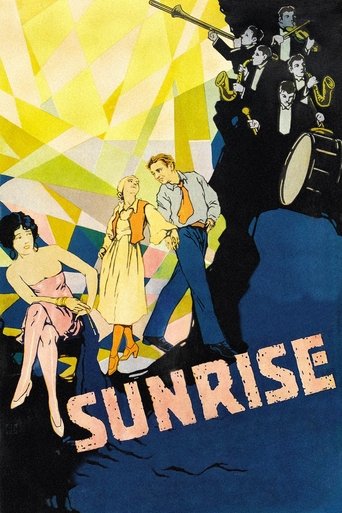
The Docks of New York
"A stoker saves a woman from the river"
Keys: Space play/pause · ←/→ 10s · F fullscreen · M mute · </> speed
About this film
A blue-collar worker on New York's depressed waterfront finds his life changed after he saves a woman attempting suicide.
Cast & crew
More films like this
More Drama films
View all →







More from Josef von Sternberg
View all →

More about this film
About the production
Release dateSeptember 16, 1928
Budget$423,000
Box officeCommercially successful but not a blockbuster, performed moderately at the box office
ProductionParamount Pictures
Filmed inParamount Studios, Hollywood, California, Studio backlot constructed to replicate New York waterfront
The film was shot during the critical transition period from silent films to talkies. Von Sternberg insisted on creating an incredibly detailed and atmospheric set of the New York waterfront, complete with artificial fog, rain machines, and elaborate lighting to achieve maximum visual impact. The production faced challenges from the studio's growing focus on sound production, with executives questioning the investment in a silent film. Von Sternberg fought for artistic control and delivered the film ahead of schedule, using innovative techniques like forced perspective and miniature models to create the illusion of a vast harbor.
Themes
Redemption and second chancesClass differences and social mobilityThe transformative power of loveUrban alienation and lonelinessThe search for human connection
Themes & topics
waterfrontsuicide attemptrescueprostitutionimpulsive marriageworking classurban liferedemptionromancesailorboarding housejealousyclass conflictnew york citysilent film
Historical background
The Docks of New York appeared in 1928, when the late silent period and the transition to sound shaped how movies were financed, distributed, and discussed. Audiences of the day encountered the work amid shifting tastes in acting, pacing, and spectacle. Its focus on a blue-collar worker on new york's depressed waterfront finds his life changed after he saves a woman attempting suicide mirrors themes circulating in popular culture of that moment.
Why this film matters
The Docks of New York (1928) belongs to the wider archive of world cinema, documenting a blue-collar worker on new york's depressed waterfront. Archivists and historians value such titles for what they reveal about craft, genre, and audience expectations. Restorations and festival screenings keep the work visible to viewers far beyond its first run.
Making of
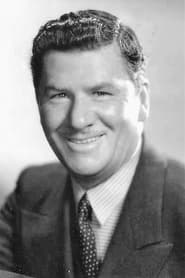
Josef von Sternberg approached this film with the vision of creating a poetic and atmospheric study of human redemption against the gritty backdrop of urban life. He worked closely with cinematographer Harold Rosson to develop a distinctive visual style using dramatic lighting, deep shadows, and innovative camera movements. The famous waterfront set was among the costliest and elaborate ever constructed at Paramount at that time, featuring working cranes, moving trains, and a complex system of water pumps to create realistic wave effects. Von Sternberg was known for his meticulous attention to detail and often shot dozens of takes to achieve the perfect emotional tone. The director developed a close working relationship with George Bancroft, coaching him to deliver a more nuanced performance than his typical tough-guy roles. The film was rushed into production and completed in just over a month to beat the industry's full transition to sound, creating immense pressure on the cast and crew.
What critics said
Press coverage from 1928 is fragmentary for many titles of this vintage; surviving notices for The Docks of New York tend to stress novelty, star power, or topical appeal. Later writing places the picture within its national and generic context, weighing both period conventions and moments that still land for modern viewers. Streaming and disc releases have revived discussion among classic-film audiences.
Did you know?
- Josef von Sternberg considered this his most personal and accomplished silent film
- The film was one of the last major silent productions before the sound revolution completely took over Hollywood
- George Bancroft's performance earned him an Academy Award nomination for Best Actor, though the category was officially for 'Best Actor in a Leading Role'
- The artificial fog created for the waterfront scenes was so thick and realistic that it caused several cast members to become temporarily lost on the set
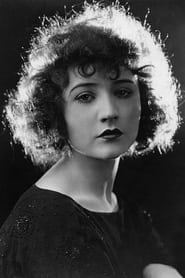
- Betty Compson, who played Mae, was actually a major star of the early 1920s whose career was declining by the time of this film
- The film's original running time was approximately 90 minutes, but several minutes were cut for release, including some scenes that von Sternberg later claimed were crucial to character development
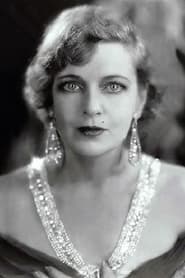
- Olga Baclanova, who plays the entertainer, would later become famous as the villainous Cleopatra in 'Freaks' (1932)
- The ship sequences were filmed using a combination of full-scale sets and meticulously crafted miniature models
- Von Sternberg and George Bancroft collaborated on several films together, with this being considered their masterpiece
- The film's intertitles were written by renowned screenwriter Julian Johnson, who was known for his poetic and evocative title cards
Awards & recognition
- National Board of Review - One of the Top Ten Films of 1928
Visual style
The cinematography by Harold Rosson is groundbreaking for its time, featuring sophisticated use of chiaroscuro lighting, deep focus shots, and atmospheric effects. Rosson and von Sternberg employed numerous innovative techniques, including extensive use of artificial fog and smoke to create mood and depth, complex lighting setups that simulated the harsh reality of waterfront life, and moving camera shots that followed characters through the elaborate sets. The film's visual style combines the dramatic lighting of German Expressionism with the emerging realism of American cinema. Notable sequences include the opening shots of the waterfront at night, the rescue scene in the rain-swept river, and the claustrophobic boarding house interiors. Rosson's work on this film earned him an Academy Award nomination and influenced generations of cinematographers, particularly those working in film noir.
Innovations
The film featured several technical innovations for its time, including sophisticated miniature work for the harbor sequences, advanced artificial fog and rain systems, and complex lighting setups that created depth and atmosphere. The production team developed new techniques for simulating water movement and reflections on the studio set. The film's editing, particularly during the action sequences, was ahead of its time in its rhythm and pacing. Von Sternberg experimented with subjective camera angles and point-of-view shots to enhance the emotional impact of key scenes. The film's special effects, while subtle by modern standards, were impressive for 1928, particularly in the creation of the waterfront environment. The production also pioneered certain sound recording techniques, as it was one of the last films shot before Paramount's full conversion to sound, requiring the crew to work around the installation of sound equipment on the lot.
Music
As a silent film, The Docks of New York was originally presented with live musical accompaniment that varied by theater. Paramount provided a detailed musical cue sheet with suggestions for appropriate pieces, including classical works and popular songs of the era. The score was designed to enhance the film's emotional arc, with romantic themes for the developing relationship between Bill and Mae, dramatic music for the rescue sequence, and tense underscoring for the confrontational scenes. Modern restorations have featured newly commissioned scores by composers such as Robert Israel, who created orchestral scores that reflect the film's 1920s setting while utilizing contemporary orchestration techniques. The Criterion Collection release includes a score by the Mont Alto Motion Picture Orchestra that recreates the authentic silent film experience using period-appropriate instrumentation and musical styles.
Famous quotes
Sometimes a man's gotta do what's right, even if it hurts." - Bill Roberts (intertitle)
In the fog of the harbor, two lost souls found each other." - Opening intertitle
Love doesn't wait for perfect timing." - Mae (intertitle)
The river takes many things, but tonight it gave back a life." - Closing intertitle
Memorable scenes
- The dramatic opening sequence establishing the bustling, dangerous atmosphere of the New York waterfront at night, with its fog, shadows, and working machinery
- The rescue scene where Bill plunges into the dark, churning river to save Mae from drowning, shot with dynamic camera work and heightened emotional intensity
- The impulsive wedding scene in the boarding house parlor, capturing both the awkwardness and genuine emotion of two strangers committing to each other
- The tense confrontation in the boarding house when past relationships and jealousies come to a head, showcasing von Sternberg's masterful use of close-ups and composition
What audiences thought
Upon its initial release, The Docks of New York resonated strongly with audiences who appreciated its authentic portrayal of working-class life and its romantic storyline. The film performed well in urban areas, particularly in cities with significant waterfront communities. Despite the growing popularity of talkies, audiences still embraced quality silent productions, and this film's emotional power transcended the lack of dialogue. Modern audiences, particularly those interested in classic cinema and film history, have rediscovered the film through revivals, home video releases, and streaming platforms. The film's themes of redemption and unconventional love continue to resonate with contemporary viewers, and its visual storytelling techniques are often cited as examples of cinema at its most pure and powerful. The film has developed a cult following among silent film enthusiasts and is frequently featured in classic film festivals and retrospectives.
Film connections
Influenced by
- German Expressionist cinema
- F.W. Murnau's 'Sunrise' (1927)
- King Vidor's 'The Crowd' (1928)
- Soviet montage theory
- Contemporary American social realist literature
This film influenced
- Morocco (1930)
- The Blue Angel (1930)
- Scarface (1932)
- On the Waterfront (1954)
- Out of the Past (1947)
- The Last Picture Show (1971)
- Taxi Driver (1976)
Film restoration
The Docks of New York has been fully preserved and restored by major film archives. The original nitrate negative is held at the UCLA Film & Television Archive, with additional materials at the Library of Congress. A comprehensive restoration was undertaken by The Museum of Modern Art in conjunction with Paramount Pictures, resulting in high-quality digital and 35mm preservation prints. The Criterion Collection released a fully restored version on Blu-ray and DVD, featuring a new 4K digital restoration from the original camera negative. The film is considered to be in excellent preservation condition, with all original sequences intact and minimal deterioration. It remains one of the best-preserved examples of late silent American cinema.
Where to watch
- The Criterion Channel (streaming)
- The Criterion Collection Blu-ray/DVD
- Kino Lorber Blu-ray
- MUBI (streaming)
- FilmStruck (archive)
- Various public domain streaming sites
- Film archives and cinematheques that screen classic films