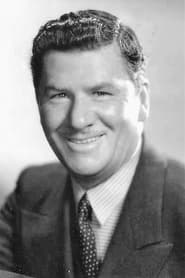
George Bancroft
Actor
Born: September 30, 1882 in Philadelphia, Pennsylvania, USA Died: October 2, 1956 Active: 1921-1942
Films
6 films
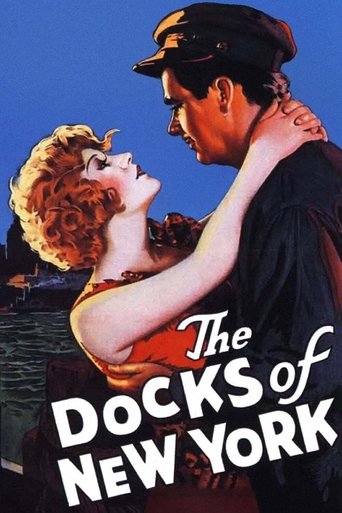
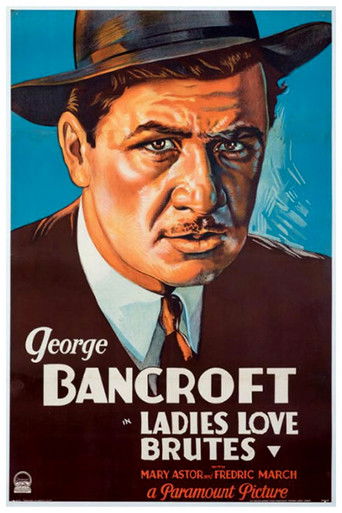
About George Bancroft
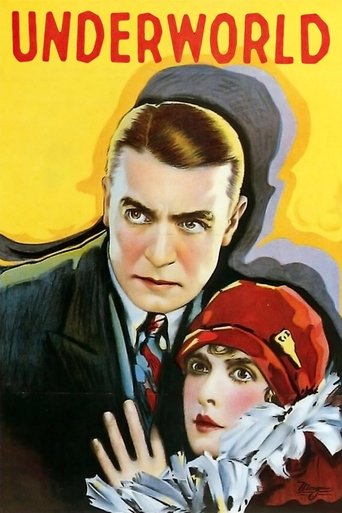
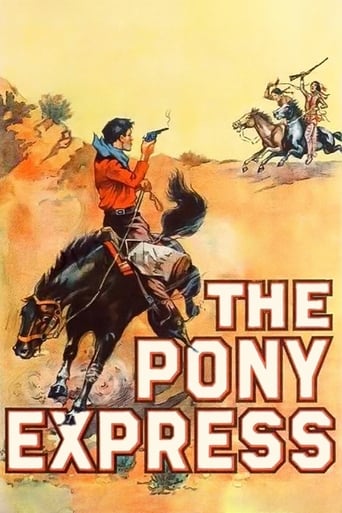
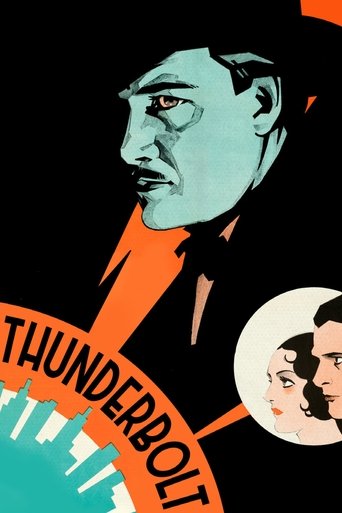
George Bancroft was prominent character actors of the late silent era and early sound period, known for his imposing physical presence and tough-guy persona. Born in Philadelphia in 1882, he began his career in vaudeville and even served in the Navy before transitioning to films in the early 1920s. His breakthrough came with Cecil B. DeMille's 'The Pony Express' (1925), which established him as a leading man capable of commanding the screen. Bancroft reached the pinnacle of his fame through his collaborations with director Josef von Sternberg, particularly in the gangster film 'Underworld' (1927), which helped define the genre. He successfully made the transition to talkies, earning an Academy Award nomination for 'Thunderbolt' (1929) and continuing his stardom into the early 1930s. As his leading man status waned, he transitioned successfully into character roles, often playing authority figures or paternal characters. Bancroft retired from acting in the early 1940s, leaving behind a legacy of powerful performances that helped shape American cinema's portrayal of masculinity during its formative years.
The Craft
On Screen
Bancroft was known for his naturalistic acting style that contrasted with the exaggerated gestures common in silent films. He possessed a commanding screen presence, standing 6'2" with a powerful physique and deep, resonant voice that perfectly suited his tough-guy roles. His performances were characterized by a subtle blend of menace and vulnerability, allowing him to portray complex characters who were both intimidating and sympathetic. Bancroft had a unique ability to convey emotion through minimal movement and facial expression, making him particularly effective in the close-up shots favored by directors like von Sternberg. His transition to sound was seamless due to his distinctive voice, which became one of his most valuable assets in talkies.
Milestones
- Breakthrough role in 'The Pony Express' (1925)
- Starred in Josef von Sternberg's 'Underworld' (1927), one of the first gangster films
- Academy Award nomination for Best Actor for 'Thunderbolt' (1929)
- Successful transition from silent films to talkies
- Became one of Paramount Pictures' highest-paid actors in the late 1920s
- Memorable supporting role in 'Stagecoach' (1939)
- Star on the Hollywood Walk of Fame
Best Known For
Iconic Roles
Must-See Films
Accolades
Won
- Academy Award nomination for Best Actor (1929) for 'Thunderbolt'
Nominated
- Academy Award for Best Actor (1929) for 'Thunderbolt'
Special Recognition
- Star on the Hollywood Walk of Fame (6524 Hollywood Blvd)
Working Relationships
Worked Often With
Studios
Why They Matter
Impact on Culture
George Bancroft played a pivotal role in establishing the gangster film genre and the tough-guy archetype in American cinema. His performance as 'Bull' Weed in 'Underworld' (1927) was groundbreaking, creating a template for the complex gangster character that would be emulated for decades. Bancroft's success demonstrated that audiences were drawn to morally ambiguous protagonists, challenging the simplistic hero-villain dichotomy of early cinema. His naturalistic acting style influenced a generation of actors moving away from theatrical silent film techniques toward more realistic performances. As one of the first major stars to successfully transition from silent films to talkies, he helped pave the way for other actors during this challenging period of cinematic evolution.
Lasting Legacy
George Bancroft's legacy endures through his influential performances that helped shape American cinema's portrayal of masculinity and criminality. He is remembered as. His collaborations with Josef von Sternberg produced some of the most artistically significant films of the late silent period. Bancroft's work in films like 'Underworld' and 'Stagecoach' continues to be studied by film scholars and appreciated by classic cinema enthusiasts. He represents an important bridge between the theatrical acting style of the silent era and the naturalistic approach that would dominate sound cinema, making him a transitional figure in Hollywood history.
Who They Inspired
Bancroft's tough-guy persona and naturalistic acting style directly influenced subsequent generations of actors specializing in gangster and tough-guy roles. His success in 'Underworld' helped establish the commercial viability of gangster films, leading to classics like 'Little Caesar' and 'The Public Enemy' in the 1930s. Actors such as James Cagney, Edward G. Robinson, and later Marlon Brando built upon the foundation Bancroft helped create in portraying complex, morally ambiguous characters. His ability to convey menace while maintaining audience sympathy became a hallmark of the American anti-hero. Directors like John Ford and Howard Hawks later cast Bancroft in supporting roles precisely because of his established authority and screen presence, utilizing his influence to bolster their productions.
Off Screen
George Bancroft led a relatively private personal life despite his public fame. He married actress Octavia Broske in 1928, but the marriage ended in divorce. He later married Kathryn Stuart, who remained his wife until his death. The couple had one daughter, Anne. Bancroft was known for his professionalism on set and was respected by his colleagues for his dedication to his craft. In his later years, he lived a quiet life in Santa Monica, California, away from the Hollywood spotlight. He passed away from a heart attack at age 74, just two days after his 74th birthday.
Education
Briefly attended the United States Naval Academy at Annapolis before leaving to pursue other interests
Family
- Octavia Broske (1928-1935)
- Kathryn Stuart (1937-1956)
Did You Know?
- He was one of the highest-paid actors in Hollywood during the late 1920s, earning $7,500 per week
- Before acting, he served in the United States Navy during the Spanish-American War
- He worked as a professional boxer under the name 'Kid Bancroft'
- Bancroft was 6'2" tall, giving him an imposing physical presence that served his tough-guy roles well
- He was one of the first actors to successfully make the transition from silent films to talkies
- His role in 'Underworld' was one of the first times a gangster was portrayed as the protagonist of a major film
- He turned down the lead role in 'The Big Trail' (1930), which launched John Wayne's career
- Bancroft was known for his professionalism and rarely required multiple takes for his scenes
- He owned a successful cattle ranch in California during his later years
- Despite his tough-guy image, colleagues described him as gentle and kind off-screen
In Their Own Words
The trouble with acting is that you can't fake it. You either feel it or you don't, and the camera knows the difference.
In the silent days, you had to use your whole body to express what you felt. In talkies, you can say it, but you still have to feel it in your bones.
Playing a tough guy isn't about being tough. It's about understanding what makes a man tough, and showing that vulnerability underneath.
Von Sternberg taught me that the camera sees everything, even what you're trying to hide. That's where the truth of the performance comes from.
Frequently Asked Questions
Who was George Bancroft?
Prominent American with credits in this catalog. He starred in groundbreaking films like 'Underworld' (1927) and successfully transitioned from silent films to talkies, earning an Academy Award nomination for 'Thunderbolt' (1929).
What films is George Bancroft best known for?
Titles linked here include Underworld (1927), The Docks of New York (1928).
When was George Bancroft born and when did he die?
Born September 30, 1882; died October 2, 1956.
What awards did George Bancroft win?
George Bancroft received an Academy Award nomination for Best Actor for his performance in 'Thunderbolt' (1929). He also received a star on the Hollywood Walk of Fame in recognition of his contributions to cinema.
What was George Bancroft's acting style?
Bancroft was known for his naturalistic acting style that contrasted with the exaggerated gestures common in silent films. He possessed a commanding screen presence with a powerful physique and deep voice, perfect for his tough-guy roles. His performances blended menace with vulnerability, allowing him to portray complex characters who were both intimidating and sympathetic.
How did George Bancroft influence cinema?
Bancroft helped establish the gangster film genre through his groundbreaking performance in 'Underworld' (1927). His naturalistic acting style influenced the transition from theatrical silent film techniques to more realistic performances in sound cinema. He also demonstrated the commercial viability of morally ambiguous protagonists, paving the way for more complex characterizations in American films.