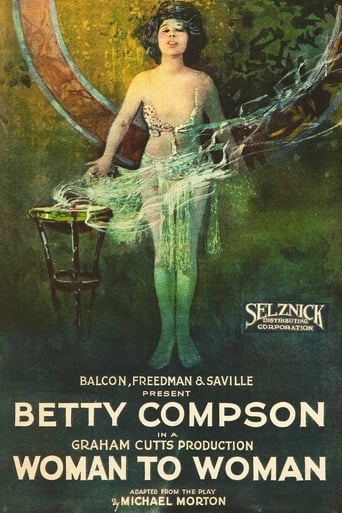
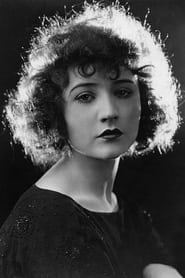
Betty Compson
Actor
Born: March 19, 1897 in Beaver, Utah, USA Died: April 18, 1974 Active: 1915-1948 Birth Name: Eleanor Luicime Compson
Films
13 films
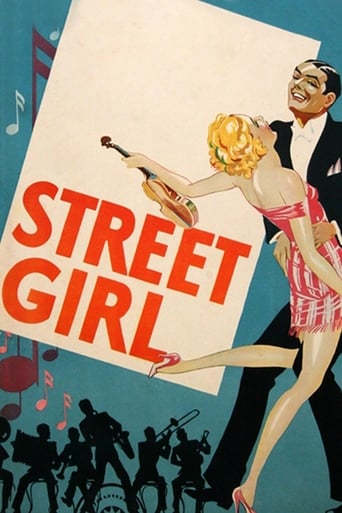
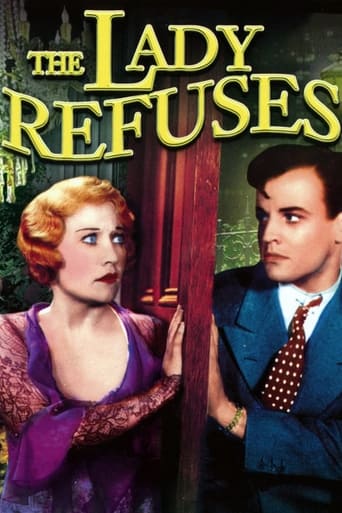

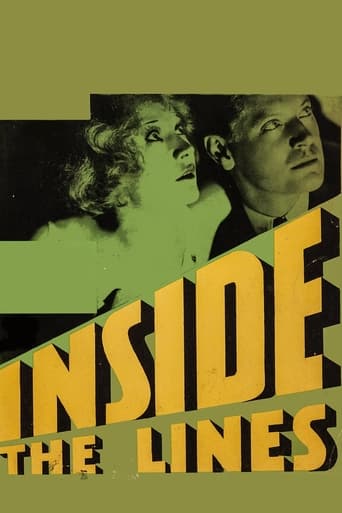
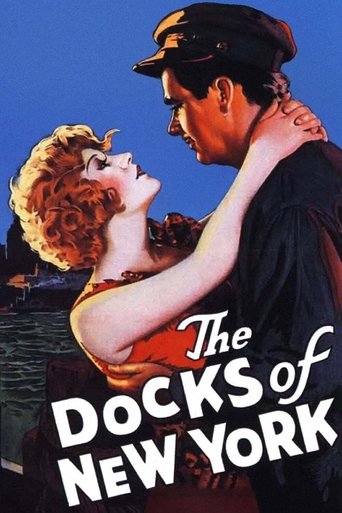
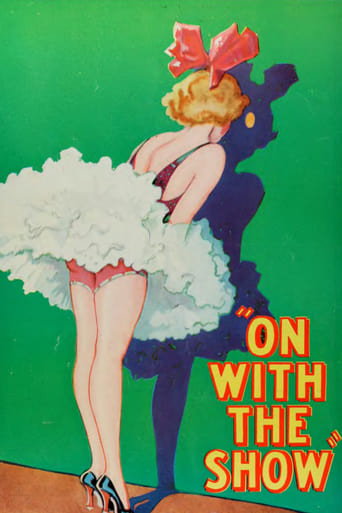
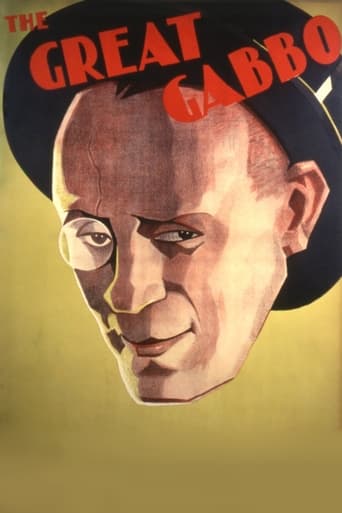
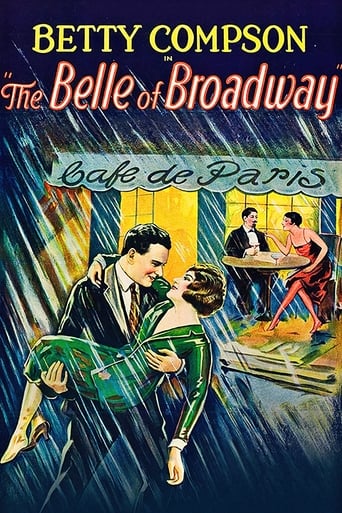
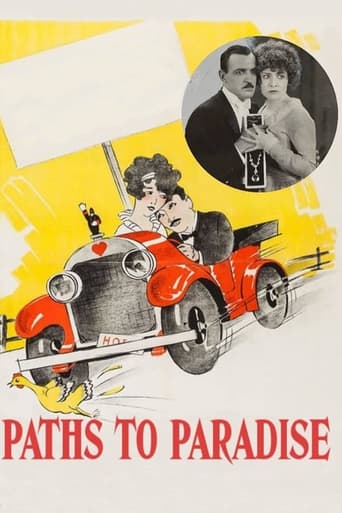
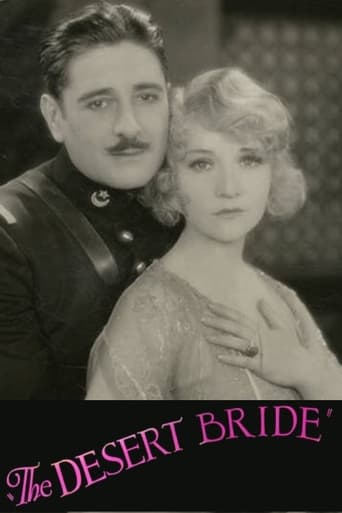
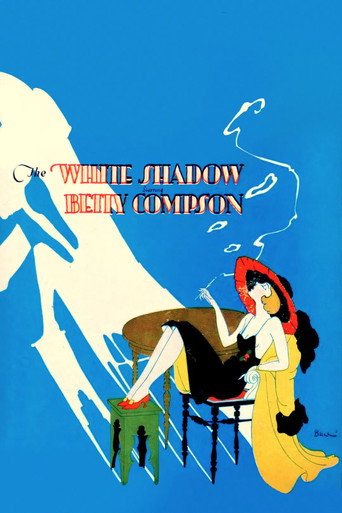
About Betty Compson
Prominent American actress who rose to stardom during the silent film era and successfully transitioned into talkies. Born Eleanor Luicime Compson in Beaver, Utah, she began her career as a violinist before being discovered by a talent scout while working at a Los Angeles department store. Her breakthrough came in 1919 when she signed with Paramount Pictures and quickly became one of the studio's highest-paid stars, earning approximately $3,000 per week at her peak. Compson received an Academy Award nomination for Best Actress for her role in 'The Barker' (1928), demonstrating her remarkable ability to adapt to sound films. She was particularly known for her versatility, playing both dramatic and comedic roles with equal skill, and her performances often showcased a naturalistic acting style that set her apart from many of her contemporaries. By the early 1930s, her star had begun to wane, though she continued working in smaller roles and B-movies throughout the decade. After retiring from acting, she successfully ventured into business, owning a cosmetics company and later a successful chain of restaurants, demonstrating her entrepreneurial spirit beyond her film career.
The Craft
On Screen
Betty Compson was known for her naturalistic and understated acting style, which contrasted with the exaggerated gestures common in silent cinema. She possessed a remarkable ability to convey complex emotions through subtle facial expressions and body language, making her particularly effective in dramatic roles. Her performances often featured a blend of vulnerability and strength, allowing her to portray characters with depth and authenticity. Compson's transition to sound films was seamless due to her clear diction and natural speaking voice, which complemented her visual acting style.
Milestones
- Signed with Paramount Pictures in 1919
- Became one of Hollywood's highest-paid actresses in the 1920s
- Academy Award nomination for Best Actress for 'The Barker' (1928)
- Successful transition from silent films to talkies
- Starred in over 200 films during her career
- Formed her own production company in the late 1920s
Best Known For
Iconic Roles
Must-See Films
Accolades
Won
- Photoplay Magazine Medal of Honor (1928)
Nominated
- Academy Award nomination for Best Actress for 'The Barker' (1928)
Special Recognition
- Hollywood Walk of Fame star at 6601 Hollywood Boulevard
Working Relationships
Worked Often With
Studios
Why They Matter
Impact on Culture
Betty Compson represented the archetype of the self-made Hollywood star who successfully navigated the treacherous transition from silent cinema to sound films. Her Academy Award nomination for 'The Barker' helped establish the credibility of early sound performances and demonstrated that silent film stars could thrive in the new medium. Compson's business ventures after her film career also challenged the stereotype of actresses as financially dependent, serving as an early example of celebrity entrepreneurship. Her performances in films like 'The Docks of New York' contributed to the development of more realistic acting styles in American cinema, moving away from theatricality toward naturalism.
Lasting Legacy
Betty Compson's legacy endures through her significant contributions to both silent and early sound cinema, particularly her role in demonstrating the artistic possibilities of sound films. Her Academy Award-nominated performance in 'The Barker' remains a landmark achievement in early sound cinema, showcasing how dramatic depth could be enhanced rather than diminished by spoken dialogue. Beyond her artistic contributions, Compson's successful business ventures after her film career paved the way for future generations of entertainers to diversify their professional interests. Today, film scholars and classic cinema enthusiasts recognize her as an important figure who helped bridge the gap between silent and sound eras, while her films continue to be studied and appreciated for their artistic merit and historical significance.
Who They Inspired
Betty Compson influenced subsequent generations of actors through her naturalistic acting style and successful transition to sound films. Her ability to convey emotion through subtle expression rather than exaggerated gesture helped evolve acting techniques away from theatrical conventions toward cinematic realism. Many young actresses of the early sound era looked to Compson as a model for how to maintain stardom while adapting to new technological demands. Her business acumen also demonstrated to future performers the importance of financial independence and career diversification beyond entertainment.
Off Screen
Betty Compson's personal life was marked by three marriages and a successful transition to business after her film career. She married director James Cruze in 1925, though the marriage ended in divorce in 1930. Her second marriage was to agent/producer Irving Weinberg, and her third to Sylvanus 'Sy' Washburn, a construction executive. After retiring from films, she demonstrated remarkable business acumen, founding a cosmetics company called Betty Compson Cosmetics and later owning a chain of restaurants called Betty Compson's Coffee Shops. She spent her later years in Glendale, California, where she remained active in local community affairs until her death from a heart attack at age 77.
Education
Attended Salt Lake City schools, briefly studied music before entering films
Family
- James Cruze (1925-1930)
- Irving Weinberg (1933-1937)
- Sylvanus 'Sy' Washburn (1940-1974)
Did You Know?
- Was one of the highest-paid actresses of the 1920s, earning up to $3,000 per week
- Formed her own production company, Betty Compson Productions, in the late 1920s
- Was originally discovered while working as a violinist in a Los Angeles department store
- Made over 200 films during her career, though many are now lost
- Her real first name was Eleanor, but she used Betty professionally
- Was a skilled businesswoman who owned successful restaurants after her film career
- Her performance in 'The Docks of New York' is considered one of the finest examples of late silent cinema
- She was a pioneer in celebrity endorsements, lending her name to various products
- Compson was one of the few silent stars to successfully transition to major sound film roles
- Her Hollywood Walk of Fame star was awarded in 1960 for her contributions to motion pictures
In Their Own Words
I've never been afraid of hard work. I think that's the secret of whatever success I've had.
The camera doesn't lie. It knows whether you're acting or living the part.
Sound pictures didn't scare me. I was always more interested in being an actress than just a pretty face on the screen.
Hollywood is a strange place, but it's been good to me. I have no complaints.
Frequently Asked Questions
Who was Betty Compson?
Prominent American actress who starred in over 200 films during the silent era and early sound period. She was one of the highest-paid actresses of the 1920s and received an Academy Award nomination for Best Actress for her role in 'The Barker' (1928).
What films is Betty Compson best known for?
Titles linked here include The Docks of New York (1928), The Barker (1928).
When was Betty Compson born and when did she die?
Born March 19, 1897; died April 18, 1974.
What awards did Betty Compson win?
Betty Compson received an Academy Award nomination for Best Actress for 'The Barker' (1928) and won the Photoplay Magazine Medal of Honor in 1928. She also has a star on the Hollywood Walk of Fame.
What was Betty Compson's acting style?
Betty Compson was known for her naturalistic and understated acting style, which contrasted with the exaggerated gestures common in silent cinema. She conveyed complex emotions through subtle facial expressions and body language, making her particularly effective in dramatic roles.
How did Betty Compson transition from silent to sound films?
Betty Compson successfully transitioned to sound films due to her clear diction and natural speaking voice. Her Academy Award-nominated performance in 'The Barker' (1928) demonstrated her ability to excel in the new medium, unlike many of her silent-era contemporaries.
What did Betty Compson do after her film career?
After retiring from films, Betty Compson became a successful businesswoman, founding a cosmetics company called Betty Compson Cosmetics and later owning a chain of restaurants called Betty Compson's Coffee Shops. She demonstrated remarkable entrepreneurial skills beyond her entertainment career.