
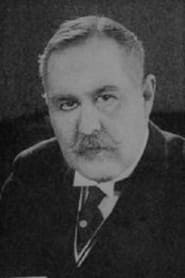


The Belle of Broadway
"A faded Paris star mentors a young American who takes her name."
Keys: Space play/pause · ←/→ 10s · F fullscreen · M mute · </> speed
About this film
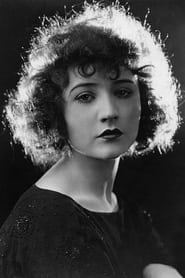
Fallen star Madame Adele, once a great star of the Paris theatre, has fallen upon hard times. But she allows a young American performer, Marie Duval, to perform as the Madame Adele of old, and both become the darlings of Paris, one again and the other newly-crowned.
Cast & crew
More films like this
More Romance films
View all →




More from Harry O. Hoyt
View all →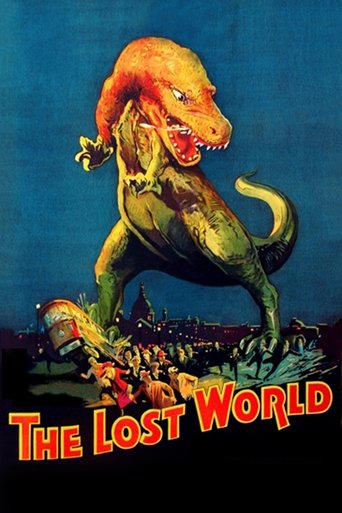
More about this film
About the production
Release dateMarch 21, 1926
ProductionProducers Distributing Corporation
Filmed inLos Angeles, California
The Belle of Broadway was produced during the height of the silent era, just before the transition to sound films would revolutionize the industry. The film was shot on studio sets designed to replicate the glamour of Parisian theatre venues. Director Harry O. Hoyt was known for his work in both feature films and serials during this period.
Themes
Redemption and second chancesMentorship and passing the torchThe price of fameAge versus youthThe illusion of performance
Themes & topics
theatreParismentorshipperformerromancefallen starcomebackimpersonationshow business1920ssilent filmAmerican in Parisstage performancefamelegacy
Historical background
Released around 1926, The Belle of Broadway emerged while exhibitors were still defining how longer narratives could hold nickelodeon audiences.
Why this film matters
Reference works on 1926 cinema cite The Belle of Broadway when tracing genre habits, studio economics, or regional production patterns of the period.
Making of
The production of The Belle of Broadway took place during a transitional period in Hollywood history. The film was shot at the height of the silent era's artistic maturity, when filmmakers had mastered visual storytelling techniques. Director Harry O. Hoyt brought his experience from adventure films to this more intimate romantic drama. Betty Compson, already a seasoned actress by this time, likely contributed to the development of her character. The theatre sequences required elaborate set design and choreography to recreate the atmosphere of Parisian performance venues. As was common in silent films, the cast would have received detailed direction on facial expressions and body language to convey emotions without dialogue. The production would have used natural lighting enhanced by studio lamps, and the cinematographer would have employed techniques such as soft focus for romantic scenes and dramatic lighting for emotional moments.
What critics said
Audience surveys from 1926 are scarce; reception for The Belle of Broadway must be inferred from reissue patterns and how often programmers still book it.
Did you know?
- The Belle of Broadway was one of the last films produced by the Producers Distributing Corporation before the company merged with Cecil B. DeMille's studio.
- Betty Compson, who plays Marie Duval, was already an established star by 1926 and had previously been nominated for an Academy Award for Best Actress.
- Director Harry O. Hoyt was also known for directing the 1925 film adaptation of Arthur Conan Doyle's 'The Lost World'.
- The film's title is somewhat misleading as the story primarily takes place in Paris rather than Broadway.
- Armand Kaliz, who appears in the film, was a French-born actor who often played sophisticated European characters in Hollywood films.
- The film was released just months before the introduction of Vitaphone sound-on-disc technology, which would soon make silent films obsolete.
- Tom Ricketts, who appears in the cast, was one of the earliest film actors, having started his career in the 1890s.
- The film's theme of an older performer mentoring a younger one would become a recurring trope in Hollywood films about show business.
- Despite its title, the film was shot entirely in California studios rather than on location in Paris or New York.
- The Belle of Broadway is now considered a lost film, with no known surviving copies in any film archive.
Visual style
As a product of the mature silent era, The Belle of Broadway likely employed sophisticated cinematography techniques that had been perfected by this time. The film probably used the standard 1.33:1 aspect ratio common in silent films. The cinematographer would have employed soft focus techniques for romantic scenes and dramatic lighting to enhance emotional moments. The theatre sequences would have required elaborate lighting setups to recreate stage lighting effects on film. The camera work likely included a mix of static shots for dialogue scenes and more dynamic camera movement for dramatic moments. The use of iris shots to focus attention on specific characters or actions would have been common. The film probably made use of location shooting or well-designed studio sets to create the illusion of Paris, with careful attention to architectural details and atmosphere. The cinematography would have supported the storytelling through visual metaphors and symbolic imagery, particularly in scenes contrasting the characters' rise and fall in fortune.
Innovations
The Belle of Broadway was produced using standard film technology of the mid-1920s, but it benefited from the technical refinements that had been developed by this stage of the silent era. The film was likely shot on 35mm film with the standard frame rate of 16-20 frames per second common for silent productions. The production would have used artificial lighting techniques that had become sophisticated by 1926, allowing for controlled lighting conditions and dramatic effects. The set design for the theatre sequences would have required technical ingenuity to recreate the atmosphere of Parisian venues on studio backlots. The film's editing would have employed the continuity editing system that had become standard by this time, with careful attention to shot-reverse-shot patterns and narrative clarity. While not groundbreaking in terms of technical innovation, the film represents the polished craftsmanship of the late silent era, when all technical elements of filmmaking had been refined to a high degree of sophistication.
Music
As a silent film, The Belle of Broadway would have been accompanied by live musical performances during its theatrical run. The score would likely have been compiled from classical pieces and popular songs of the era, chosen to match the mood of each scene. Theatre orchestras would have received cue sheets with suggestions for appropriate music for different moments in the film. For the Parisian setting, French-inspired music and popular songs of the 1920s would have been particularly appropriate. The romantic scenes would have been accompanied by lush, melodic pieces, while dramatic moments would have featured more intense, rhythmic compositions. The theatre sequences within the film might have included diegetic music, with the orchestra playing along to represent performances within the story. The musical accompaniment would have been crucial in conveying emotion and advancing the narrative in the absence of dialogue.
Famous quotes
In the theatre, we are all playing someone else. But here, with you, I can finally be myself.
Paris has crowned many queens of the stage, but only those who understand that the applause is temporary.
You have the fire of youth, but I have the wisdom of experience. Together, we can create magic.
Every star falls eventually. The trick is to learn how to rise again.
Memorable scenes
- The emotional first meeting between Madame Adele and Marie Duval, where the aging star recognizes the young woman's talent and sees an opportunity for redemption through her success.
- The transformation sequence where Marie is coached to embody the essence of Madame Adele's former performances, complete with detailed instruction on gesture, expression, and stage presence.
- The climactic theatre performance where Marie, as the new Madame Adele, captivates the Parisian audience while the real Adele watches from the wings, experiencing vicarious triumph.
- The poignant final scene where both women acknowledge their unique relationship and the success they have achieved together, bridging generations through art.
What audiences thought
The Belle of Broadway appears to have been moderately successful with audiences in 1926, benefiting from Betty Compson's established star power and the public's enduring interest in stories about the entertainment world. The film's romantic elements and Parisian setting appealed to the sophisticated tastes of urban moviegoers during the Roaring Twenties. Audience reactions reported in trade publications suggest that viewers particularly enjoyed the theatre sequences and the relationship between the two female leads. The film performed adequately in major markets but likely did not achieve blockbuster status, as was common for many mid-budget productions of the period. Its release timing, just before the sound revolution, meant it had a relatively short theatrical life before being overshadowed by the new 'talkies' that would soon dominate the industry. The film's themes of ambition, redemption, and mentorship resonated with 1920s audiences who were themselves navigating a period of rapid social and technological change.
Film connections
Influenced by
- Stage and theatrical traditions of the early 20th century
- European romantic dramas
- Earlier films about show business such as 'A Woman of Paris' (1923)
- The tradition of mentor-protégé relationships in literature and theatre
- The glamorous portrayal of Paris in American culture
This film influenced
- Later films about theatrical mentorship relationships
- Hollywood's continued fascination with Parisian settings
- The trope of the fallen star seeking redemption in later cinema
- Films exploring the relationship between aging and youth in entertainment industries
Film restoration
The Belle of Broadway is considered a lost film. No complete copies are known to exist in any film archive or private collection. The film was likely lost due to the deterioration of nitrate film stock, the common practice of film studios destroying silent films after their theatrical runs, or the 1930s Fox vault fire that destroyed many films from this era. Only fragments or production stills may survive in archives or private collections. The loss of this film is representative of the broader tragedy of silent cinema, where an estimated 75-90% of all silent films have been lost forever. Film preservationists continue to search for surviving copies in archives worldwide, but the chances of finding a complete print are extremely low.
Where to watch
- Unfortunately, The Belle of Broadway is not available for viewing as it is considered a lost film. No known copies survive in any archive or collection. Film enthusiasts can learn about the film through historical documents, production stills, and contemporary reviews available in film history archives and libraries.