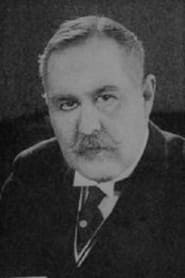
Wilfrid North
Actor
Born: January 16, 1863 in London, England Died: June 3, 1933 Active: 1911-1926
Films
2 films
About Wilfrid North
Made significant contributions to early cinema during the silent era. Born in London in 1863, he began his career on the British stage before transitioning to the burgeoning film industry in the early 1910s. North became a prolific director for American studios, particularly Vitagraph Studios, where he directed numerous short films and features throughout the 1910s. His directorial work often showcased his ability to handle both dramatic comedies and more serious dramatic pieces, demonstrating versatility in the emerging medium of cinema. As an actor, he frequently appeared in character roles, utilizing his theatrical background to bring depth to his performances. North continued working in films through the 1920s, adapting to the changing landscape of cinema as it evolved from shorts to feature-length productions. His the crucial transitional period of early cinema, from the primitive days of one-reelers to the sophisticated storytelling of the late silent era. North retired from filmmaking in the late 1920s, leaving behind a substantial body of work that exemplified the craftsmanship of early Hollywood directors.
The Craft
On Screen
North brought a theatrical gravitas to his film performances, drawing from his extensive stage background. His acting style was characterized by clear, expressive gestures and precise diction that translated well to the silent medium. He specialized in authoritative character roles, often playing gentlemen, officials, or paternal figures. His performances were marked by a dignified presence and the ability to convey complex emotions through subtle facial expressions and body language.
Milestones
- Directed over 100 films for Vitagraph Studios
- Transitioned successfully from stage to film
- Worked extensively during the silent era's formative years
- Appeared in character roles in major productions
- Directed early film versions of literary adaptations
Best Known For
Iconic Roles
Must-See Films
Accolades
Special Recognition
- Pioneer of early American cinema
- Contributor to Vitagraph Studios' golden age
Working Relationships
Worked Often With
Studios
Why They Matter
Impact on Culture
Wilfrid North contributed to the development of American cinema during its formative years, helping establish the visual language and storytelling techniques that would define Hollywood. His work at Vitagraph Studios during the 1910s coincided with the transition from short films to feature-length productions, making him a participant in one of cinema's most crucial evolutionary periods. As both actor and director, he embodied the multi-talented nature of early film pioneers who often wore multiple hats in the collaborative process of filmmaking.
Lasting Legacy
North's legacy lies in his substantial body of work that helped bridge the gap between Victorian theatrical traditions and modern cinematic storytelling. His films, while not as well-known today as those of some contemporaries, represent the craftsmanship and innovation of early Hollywood directors. The survival of some of his films provides valuable insight into the techniques and aesthetics of silent-era filmmaking, serving as important historical documents for film scholars and enthusiasts.
Who They Inspired
North influenced subsequent generations of filmmakers through his efficient directorial methods and his ability to work across multiple genres. His transition from stage to film demonstrated to other theatre professionals the possibilities of the new medium. His work at Vitagraph helped establish patterns of studio production that would become standard in Hollywood, and his versatility as both actor and director set an example for the multi-faceted careers that would become common in the film industry.
Off Screen
Wilfrid North maintained a relatively private personal life despite his public career in early Hollywood. He married and had children, though specific details about his family life remain limited in historical records. As a British expatriate working in America, he represented the wave of European talent that helped shape early American cinema. His later years were spent away from the film industry, having witnessed the dramatic transformation of cinema from silent films to the talkies.
Education
Educated in England; likely received theatrical training through apprenticeship in the British theatre tradition
Family
- Information not readily available in historical records
Did You Know?
- Directed over 100 films during his career, though many are now lost
- Was part of the British diaspora that helped establish Hollywood's early film industry
- Worked during the transitional period when films evolved from shorts to features
- His active years covered the entire silent era, from its early days to its peak
- Appeared in both American and British productions
- Represented the classically-trained theatre professional who adapted to cinema
- His death in 1933 meant he witnessed but did not participate in the transition to sound films
- Worked at Vitagraph during what many consider the studio's golden age
- His directorial style emphasized clarity and efficiency, hallmarks of early Hollywood production
- Participated in the adaptation of literary works to film, helping establish this practice in early cinema
In Their Own Words
While specific quotes are not readily available, his work demonstrated the philosophy that 'clear storytelling transcends the need for dialogue'
Frequently Asked Questions
Who was Wilfrid North?
British actor and on YTB.my. He was particularly associated with Vitagraph Studios, where he directed numerous films and also appeared as an actor in character roles.
What films is Wilfrid North best known for?
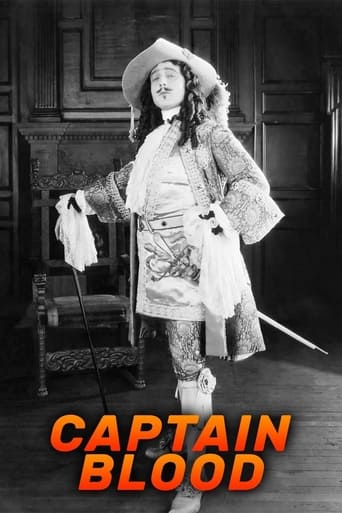
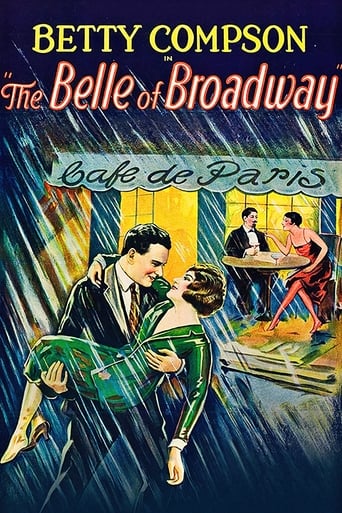
Titles linked here include Captain Blood (1924), The Belle of Broadway (1926).
When was Wilfrid North born and when did he die?
Born January 16, 1863; died June 3, 1933.
What awards did Wilfrid North win?
During his active years in the 1910s and 1920s, the modern award system for cinema had not yet been established. While he didn't receive formal awards, he was recognized as a significant contributor to early American cinema, particularly through his prolific work at Vitagraph Studios.
What was Wilfrid North's directing style?
North's directing style was characterized by efficiency and clarity, emphasizing straightforward storytelling that worked well in the silent medium. He was particularly adept at comedy and demonstrated versatility across genres, from light romantic comedies to dramatic adaptations of literary works.
How many films did Wilfrid North direct?
Wilfrid North directed over 100 films during his career, primarily during his years at Vitagraph Studios in the 1910s. Many of these early films are now lost, but his surviving work demonstrates his significant contribution to early American cinema.