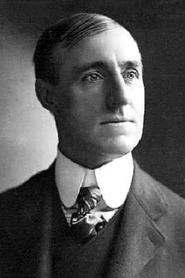
Tom Ricketts
Actor
Born: January 15, 1853 in London, England Died: January 20, 1939 Active: 1908-1939 Birth Name: Thomas Ricketts
Films
8 films
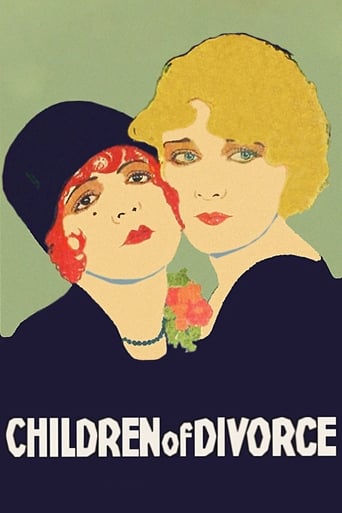
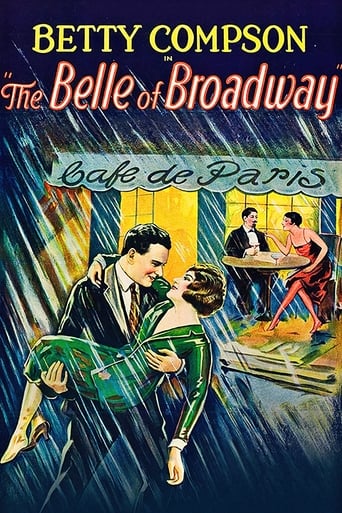


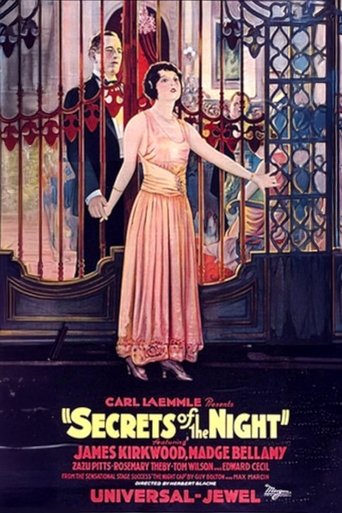
About Tom Ricketts
British-American actor who became prolific character actors of early Hollywood cinema. Born in London, England, he began his career on the British stage before immigrating to the United States in the late 19th century. Ricketts transitioned from theatrical performances to the emerging medium of film, making his screen debut in the early 1900s and becoming one of the first generation of film actors. His over three decades, during which he appeared in more than 300 films, establishing himself as a reliable and versatile supporting actor. He successfully navigated the transition from silent films to talkies, continuing to work steadily through the 1930s. Ricketts was particularly known for portraying authority figures, dignified gentlemen, and elderly characters, often bringing gravitas and authenticity to his roles. His longevity and adaptability made him a respected figure in early Hollywood, working alongside many of the era's biggest stars and directors.
The Craft
On Screen
Ricketts was known for his dignified and authoritative presence on screen, often playing characters of respect and social standing. His theatrical background provided him with strong diction and stage presence that translated well to the new medium of film. He excelled at portraying elderly gentlemen, judges, doctors, professors, and other authority figures with natural authenticity. His acting style was subtle yet effective, relying more on his commanding presence and expressive eyes than on exaggerated gestures common in early cinema. Ricketts had the rare ability to convey complex emotions through minimal movement, making him particularly effective in close-ups and dramatic scenes.
Milestones
- One of the earliest film actors, beginning his career in the 1900s
- Appeared in over 300 films during his career
- Successfully transitioned from silent films to talkies
- Worked with major studios including Universal, Fox, and MGM
- Known for his versatility in character roles
Best Known For
Iconic Roles
Must-See Films
Accolades
Special Recognition
- Pioneer of early American cinema
- Prolific character actors of the silent era
Working Relationships
Worked Often With
Studios
Why They Matter
Impact on Culture
Tom Ricketts represents the important generation of actors who bridged the gap between 19th-century theater and 20th-century cinema. As one of the earliest film actors, he helped establish the conventions of screen acting and demonstrated how theatrical techniques could be adapted for the camera. His extensive filmography provides a valuable record of the evolution of American cinema from its primitive beginnings through the sophisticated productions of the 1930s. Ricketts' ability to work consistently across different eras of filmmaking showed the professionalization of the film industry and the emergence of the character actor as an essential component of cinematic storytelling.
Lasting Legacy
Tom Ricketts' legacy lies in his contribution to the foundation of American cinema as one of its earliest and most prolific actors. With over 300 film appearances, he represents the unsung heroes who provided the backbone of early Hollywood productions. His career shows the adaptability required of actors during the rapid technological and artistic changes in cinema. Ricketts helped establish the archetype of the reliable character actor, a role that would become essential to the studio system. His work, though often uncredited or in supporting roles, contributed significantly to the success of many classic films of the silent and early sound eras.
Who They Inspired
Ricketts influenced subsequent generations of character actors by demonstrating the importance of versatility and professionalism in supporting roles. His successful transition from stage to film provided a model for other theater actors entering the movie industry. The dignity and authenticity he brought to his roles helped establish standards for character acting in cinema. His longevity in the business showed that character actors could build sustainable careers in Hollywood, inspiring others to pursue similar paths. Ricketts' work ethic and adaptability during the transition to sound films served as an example for actors facing technological changes in the industry.
Off Screen
Tom Ricketts married actress Josephine Ricketts, and the couple often appeared together in films. Their marriage lasted until his death in 1939. The couple had no children together. Ricketts was known for his professionalism and dedication to his craft, maintaining a steady work ethic even in his later years. He was respected by his colleagues for his reliability and willingness to help younger actors. Despite his prolific career, Ricketts remained relatively private about his personal life, focusing primarily on his work.
Education
Educated in England with theatrical training in London
Family
- Josephine Ricketts (married until his death in 1939)
Did You Know?
- Began his film career at age 55, making him one of the oldest actors to start in movies
- Appeared in more films than many leading actors of his era despite never being a star
- Was one of the few actors to work in both the earliest narrative films and modern sound pictures
- Often worked without on-screen billing in many of his later films
- Was a contemporary of D.W. Griffith and appeared in some of his early productions
- His active years covered the entire development of the Hollywood studio system
- Was known for his perfect timing and ability to deliver lines with minimal rehearsal
- Continued acting well into his 80s, appearing in films until the year of his death
- Was one of the first British actors to find success in American cinema
- His theatrical training gave him an advantage in the early days of sound films
In Their Own Words
The stage teaches you discipline, but film teaches you subtlety - both are essential for an actor's craft.
In pictures, the camera sees everything. You must be truthful in every moment, even when you think no one is watching.
Frequently Asked Questions
Who was Tom Ricketts?
British-American with credits in this catalog. With a career spanning from the early 1900s to 1939, he appeared in over 300 films and successfully transitioned from silent movies to talkies, often playing authority figures and dignified gentlemen.
What films is Tom Ricketts best known for?
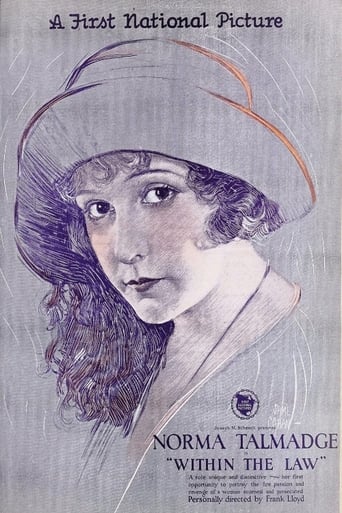
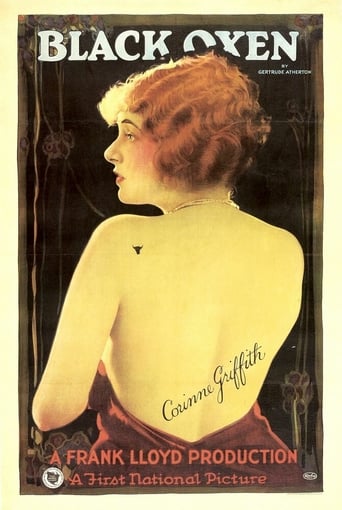
Titles linked here include Within the Law (1923), Black Oxen (1923).
When was Tom Ricketts born and when did he die?
Born January 15, 1853; died January 20, 1939.
What awards did Tom Ricketts win?
Tom Ricketts did not receive major formal awards during his career, as many acting awards were not established during his most active years. However, he was recognized as a pioneer of early cinema and.
What was Tom Ricketts' acting style?
Ricketts was known for his dignified and authoritative presence, excelling at playing judges, doctors, professors, and other figures of respect. His theatrical background gave him strong diction and stage presence, while his subtlety and expressive eyes made him particularly effective in close-ups. He brought authenticity to his roles through minimal yet powerful movements and expressions.