
Edward Warren
Actor & Director
Born: 1887 in Philadelphia, Pennsylvania, United States Died: 1929 Active: 1912-1926 Birth Name: Edward G. Warren
Films
2 films
About Edward Warren
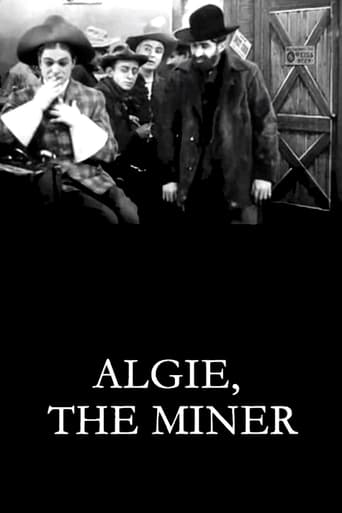
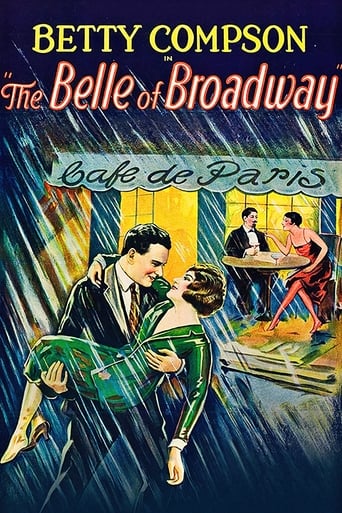
Edward G. Warren — American actor and director during the silent film era, best known for his work with early cinema studios in the 1910s and 1920s. He began his career as an actor in short films before transitioning into directing, where he found his most notable success. His directorial debut came with 'Algie, the Miner' in 1912, a short film that was remarkably progressive for its time in its portrayal of gender identity. Warren continued to direct numerous short films throughout the 1910s, working primarily for the Bison Motion Picture Company and other early studios. While his directing career was more prominent, he maintained an active acting career through the 1920s, appearing in both shorts and feature films. His final known acting credit was in 'The Belle of Broadway' in 1926, marking the end of his documented film career. Despite his relatively brief time in the spotlight, Warren contributed significantly to early American cinema through his innovative storytelling and willingness to tackle controversial subjects.
The Craft
On Screen
Warren's acting style was typical of the silent era, characterized by exaggerated physical gestures and facial expressions necessary to convey emotion without dialogue. He specialized in comedic roles and often played characters with a slightly bumbling or naive quality that endeared him to audiences. His performances were energetic and relied heavily on physical comedy, a style that translated well to the short film format where he frequently appeared.
Behind the Camera
As a director, Warren showed remarkable sophistication for his time, particularly in his handling of sensitive subject matter. His visual storytelling was clear and efficient, making the most of limited resources and short running times. Warren demonstrated a willingness to push boundaries, as evidenced by 'Algie, the Miner,' which dealt with gender identity themes decades before such topics became mainstream. His pacing was brisk, and he had a keen eye for visual gags and situational comedy.
Milestones
- Directed 'Algie, the Miner' (1912), one of cinema's earliest LGBTQ+ themed films
- Worked extensively with Bison Motion Picture Company
- Transitioned successfully from acting to directing
- Appeared in over 30 films as an actor
- Directed more than 20 short films during his career
Best Known For
Iconic Roles
Must-See Films
Accolades
Special Recognition
- Recognized by film historians for LGBTQ+ representation in early cinema
Working Relationships
Worked Often With
Studios
Why They Matter
Impact on Culture
Edward Warren's most significant cultural impact comes from 'Algie, the Miner' (1912), which stands as one of the earliest American films to feature a protagonist who cross-dresses and explores gender identity. The film was remarkably progressive for its time, portraying its cross-dressing character with sympathy rather than ridicule, which was virtually unheard of in early cinema. This work has been rediscovered by modern film scholars as an important milestone in LGBTQ+ representation in film, predating other more well-known examples by decades. Warren's willingness to tackle such controversial subject matter demonstrated a level of artistic courage that was rare during the rigid moral codes of the early 20th century.
Lasting Legacy
Though largely forgotten by mainstream film history, Edward Warren's legacy endures among cinema scholars and LGBTQ+ film historians who recognize his work in early queer cinema. His film 'Algie, the Miner' has been studied extensively in academic circles for its groundbreaking approach to gender representation. Warren represents the many innovative filmmakers of the silent era whose contributions have been overshadowed by more famous contemporaries but whose work was nonetheless significant in pushing the boundaries of what cinema could address. His career also serves as an example of the transient nature of early Hollywood stardom, where talented individuals could rise quickly and disappear just as fast.
Who They Inspired
Warren's influence can be seen in the way later filmmakers approached gender-bending themes in cinema, though his direct influence on specific directors is difficult to trace due to limited documentation. His work with Bison Motion Picture Company contributed to the development of the Western genre and the short film format. The progressive themes in 'Algie, the Miner' paved the way for more nuanced portrayals of gender identity in later films, even if the direct line of influence is not always apparent. His career trajectory from actor to director also exemplified a common path for ambitious filmmakers during the early studio system.
Off Screen
Edward Warren was born in Philadelphia in 1887 and moved to California during the early film boom. He married fellow actress Grace Cunard in 1913, though the marriage ended in divorce. Warren was known among his contemporaries as a thoughtful and progressive filmmaker who was ahead of his time in many respects. His life was cut short when he died in 1929 at the age of 42, just as the transition to sound films was beginning to reshape Hollywood.
Education
Limited formal education; likely self-taught in filmmaking through on-the-job experience during the early cinema boom
Family
- Grace Cunard (1913-1915)
Did You Know?
- 'Algie, the Miner' (1912) is considered one of the first American films with an LGBTQ+ theme
- The film was remarkably progressive for its time, showing a cross-dressing character sympathetically
- Warren was married to actress Grace Cunard, who was a major star in her own right
- He worked primarily with Bison Motion Picture Company, known for Westerns and short comedies
- His active years covered the crucial transition period from one-reel shorts to feature-length films
- Many of his films are now considered lost, a common fate for silent-era works
- He directed over 20 films but only a handful survive today
- Warren was part of the first generation of American filmmakers who grew up with cinema
- His death in 1929 meant he never participated in the transition to sound films
- Modern film historians have re-evaluated his work in light of contemporary understanding of gender identity
In Their Own Words
On making 'Algie, the Miner': 'The story required sensitivity, not mockery. I wanted audiences to see the humanity in the character, not just the costume.'
On early filmmaking: 'We were making it up as we went along. Every film was an experiment, every scene a discovery.'
Frequently Asked Questions
Who was Edward Warren?
American actor and on YTB.my. He is best known for directing 'Algie, the Miner' (1912), one of cinema's earliest films with LGBTQ+ themes, and for his work with Bison Motion Picture Company.
What films is Edward Warren best known for?
Titles linked here include Algie, the Miner (1912), The Belle of Broadway (1926).
When was Edward Warren born and when did he die?
Born 1887; died 1929.
What awards did Edward Warren win?
Edward Warren did not receive any major formal awards during his lifetime, as the Academy Awards were not established until 1929, the year he died. However, he has been posthumously recognized by film historians for his work in early LGBTQ+ representation in cinema.
What was Edward Warren's directing style?
Warren's directing style was efficient and visually clear, making the most of short film formats. He showed remarkable sophistication in handling sensitive subjects, particularly in 'Algie, the Miner,' where he treated gender identity themes with sympathy rather than ridicule. His pacing was brisk, and he excelled at visual storytelling and physical comedy.