Harry O. Hoyt
Director
Born: February 6, 1885 in Minneapolis, Minnesota, United States Died: July 29, 1961 Active: 1914-1948 Birth Name: Harry Osgood Hoyt
Films
2 films
About Harry O. Hoyt
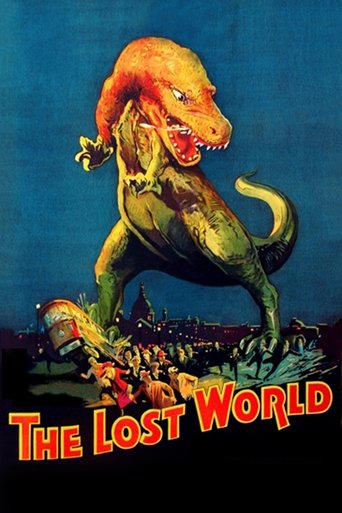
American film director and screenwriter during the silent era and early sound period, best remembered for his work on special effects-driven cinema. Born in Minneapolis, Minnesota, Hoyt began his career in the film industry as a writer before transitioning to directing in the 1910s. His most significant achievement came with 'The Lost World' (1925), an adaptation of Arthur Conan Doyle's novel that featured revolutionary stop-motion animation by Willis O'Brien, bringing dinosaurs to life on screen for the first time in a feature film. This technical marvel established Hoyt as a director capable of handling ambitious productions and became a template for future monster movies. Throughout his career, Hoyt directed over 60 films across various genres, including westerns, dramas, and adventure stories, though none achieved the same cultural impact as his dinosaur epic. As the industry transitioned to sound, Hoyt continued directing but gradually moved toward B-movies and lower-budget productions in the 1930s and 1940s. His final directorial credits came in the late 1940s, closing a career that spanned three decades of cinema's most transformative period.
The Craft
Behind the Camera
Harry O. Hoyt was known for his ability to handle ambitious productions requiring technical innovation and spectacle. His directing style emphasized visual storytelling and groundbreaking special effects, particularly evident in 'The Lost World' where he seamlessly integrated live-action with stop-motion animation. Hoyt demonstrated a keen understanding of pacing and spectacle, creating thrilling sequences that captivated silent-era audiences. While not considered an auteur with a distinctive visual signature, he was a competent craftsman who could deliver commercially successful entertainment across various genres.
Milestones
- Directed 'The Lost World' (1925), the first feature film with dinosaurs
- Pioneered the use of stop-motion animation in feature films
- Adapted Arthur Conan Doyle's classic novel to the screen
- Collaborated with special effects legend Willis O'Brien
- Directed over 60 films during his 34-year career
Best Known For
Must-See Films
Accolades
Special Recognition
- The Lost World selected for preservation in the National Film Registry (1998)
- Star on the Hollywood Walk of Fame for contributions to motion pictures
Working Relationships
Worked Often With
Studios
Why They Matter
Impact on Culture
Harry O. Hoyt's most significant cultural impact came through 'The Lost World,' which revolutionized visual effects in cinema and established the template for monster movies that would follow for decades. The film's success proved that audiences would embrace fantastical creatures and spectacle on screen, paving the way for classics like 'King Kong' (1933), which also featured Willis O'Brien's effects. Hoyt's work demonstrated the commercial viability of science fiction and fantasy genres in mainstream cinema during an era when such films were considered risky investments. The techniques developed for 'The Lost World' influenced generations of special effects artists and filmmakers, establishing stop-motion as a legitimate cinematic tool for bringing the impossible to life.
Lasting Legacy
Harry O. Hoyt's legacy is primarily tied to his groundbreaking work on 'The Lost World,' which remains a milestone in cinema history for its technical achievements and entertainment value. While many of his other films have faded into obscurity, 'The Lost World' continues to be studied by film scholars and appreciated by classic cinema enthusiasts for its innovative spirit and entertainment value. The film's preservation in the National Film Registry ensures that Hoyt's contribution to cinema will be remembered alongside the medium's most important achievements. His career represents the transition from the experimental early days of cinema to the more structured studio system, embodying the spirit of innovation that characterized Hollywood's formative years.
Who They Inspired
Hoyt's work on 'The Lost World' directly influenced the development of special effects in cinema, particularly in the realm of creature features and fantasy films. The success of his collaboration with Willis O'Brien demonstrated the potential of stop-motion animation, leading to more ambitious projects like 'King Kong' and later Ray Harryhausen's work. While Hoyt himself did not mentor many directors who went on to fame, his technical approach to filmmaking influenced how directors approached effects-heavy productions. His ability to balance spectacle with narrative provided a model for future directors of adventure and fantasy films, showing that technical innovation could serve storytelling rather than overshadow it.
Off Screen
Harry O. Hoyt was married to actress and screenwriter June Mathis,. He later married actress Flora Bramley in 1927, with whom he remained until his death. Hoyt lived in Los Angeles for most of his career and was part of the Hollywood community during its golden age of innovation. Despite his success with 'The Lost World,' Hoyt remained a working director rather than a celebrity figure, focusing on his craft rather than fame. He passed away in Los Angeles at age 76, leaving behind a legacy of technical innovation in cinema.
Education
Educated in Minneapolis public schools; attended the University of Minnesota briefly before moving to California to pursue a career in the film industry
Family
- June Mathis (1920-1925)
- Flora Bramley (1927-1961)
Did You Know?
- The Lost World was the first in-flight movie, shown on an Imperial Airways flight in 1925
- The dinosaur models used in The Lost World were created by Marcel Delgado, who later worked on King Kong
- Hoyt was married to June Mathis, who discovered Rudolph Valentino and was one of Hollywood's most powerful female executives
- The Lost World's original running time was 104 minutes, but many existing copies are only 60-70 minutes due to deterioration
- Hoyt directed both silent films and early talkies, successfully transitioning between the two formats
- The Lost World featured live lizards with attached prosthetics to supplement the stop-motion dinosaurs
- Hoyt wrote many of his own screenplays, demonstrating versatility as both writer and director
- The film's premiere included a live orchestra and sound effects to enhance the experience
- Hoyt worked with future horror icon Boris Karloff in early uncredited roles
- The Lost World was remade in 1960, 1992, and 1998, testifying to the lasting appeal of Hoyt's original vision
In Their Own Words
In making 'The Lost World,' we had to create not just a story, but an entire prehistoric world that audiences could believe in
The challenge of bringing dinosaurs to life on screen is not just technical, but making them characters that audiences care about
Special effects should always serve the story, never overwhelm it
Frequently Asked Questions
Who was Harry O. Hoyt?
American on YTB.my.
What films is Harry O. Hoyt best known for?
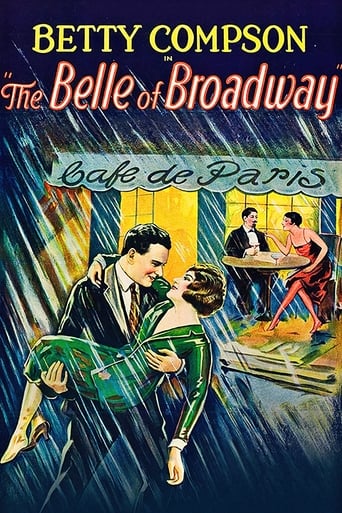
Titles linked here include The Lost World (1925), The Belle of Broadway (1926).
When was Harry O. Hoyt born and when did he die?
Born February 6, 1885; died July 29, 1961.
What awards did Harry O. Hoyt win?
While Harry O. Hoyt did not receive major awards during his lifetime, his film 'The Lost World' was selected for preservation in the National Film Registry in 1998, and he received a star on the Hollywood Walk of Fame for his contributions to motion pictures.
What was Harry O. Hoyt's directing style?
Hoyt was known for his ability to handle technically ambitious productions, particularly those requiring innovative special effects. His style emphasized visual spectacle and pacing, creating thrilling sequences that showcased groundbreaking techniques while maintaining narrative coherence.
How did Harry O. Hoyt influence cinema?
Hoyt's work on 'The Lost World' revolutionized visual effects in cinema, establishing stop-motion animation as a viable technique for feature films and paving the way for future monster movies and fantasy films. The film's success proved audiences would embrace fantastical elements in mainstream cinema.
Who did Harry O. Hoyt collaborate with?
His most significant collaboration was with special effects pioneer Willis O'Brien on 'The Lost World.' He also worked with actors like Wallace Beery and Bessie Love, and was married to influential screenwriter June Mathis early in his career.